




Career Pathways to Becoming a Cinematographer in Australia
Career pathways outline steps toward professional cinematography in Australia.
They describe education, entry roles, mentorship, and reel development.
These paths emphasize practical experience and deliberate skill growth.
Education Options
Education options outline ways to learn cinematography.
They include structured programs, brief workshops, and self-led practice.
Each approach supports practical skill development and creative growth.
Formal Study
Formal study provides structured learning in cinematography fundamentals.
Classes often address camera operation and visual storytelling.
Coursework can include collaborative film production practice.
Short Courses and Workshops
Short courses offer focused training on specific camera or lighting techniques.
Workshops provide condensed hands-on practice with peers.
They target particular skills and practical techniques.
Self-directed Learning
Self-directed learning builds practical skills through personal filming projects.
Deliberate practice helps refine technical and creative decision making.
This approach emphasizes independent projects and repeated practice for improvement.
Your Personalized Career Strategy
Unlock your potential with tailored career consulting. Get clear, actionable steps designed for your success. Start now!
Get StartedEntry Roles and On-set Experience
Entry roles allow emerging cinematographers to gain essential on-set experience.
Seeking varied set roles helps crew members understand collaborative film production.
Observation of seasoned practitioners accelerates skill acquisition for newcomers.
- Camera assistant roles develop camera handling and set discipline.
- Lighting crew roles teach practical knowledge of illumination and mood.
- Production assistant roles expose newcomers to workflow and problem solving.
Apprenticeships and Mentorship
Apprenticeships offer practical training under experienced cinematographers.
Mentors provide tailored feedback and career guidance.
These programs combine observation with hands-on responsibilities.
- Expect to assist with equipment preparation and basic operation tasks.
- Mentorship conversations focus on creative choices and technique.
Building a Demo Reel
A demo reel showcases both technical skill and creative vision.
Select short clips that highlight range and storytelling ability.
Keep the reel concise and tightly edited for immediate impact.
- Include only your strongest work to maintain professional focus.
- Sequence clips to demonstrate lighting, framing, and narrative shaping.
- Label clips with role and brief context when appropriate.
Progression and Continued Development
Continuous collaboration on diverse projects expands practical experience.
Deliberate experimentation helps develop a distinctive visual voice.
Plan each career step to build skills and professional credibility.
On-Set Responsibilities
The cinematographer leads visual choices on set.
Camera framing and movement support the story.
Stand Out with a Resume That Gets Results
Your career is worth more than a generic template. Let us craft a resume and cover letter that showcase your unique strengths and help you secure that dream job.
Get HiredThey shape and adjust lighting to match each shot’s mood.
Managing Camera and Lighting
The cinematographer sets camera framing and movement.
They shape lighting to support the story visually.
Additionally, the cinematographer adjusts setups to match each shot’s mood and tone.
Coordinating the Camera Team
The cinematographer leads the camera crew during production.
They communicate shot intent and safety requirements clearly.
Additionally, they monitor footage and suggest technical adjustments on the fly.
Typical On-Set Tasks
- Frame shots according to the visual plan.
- Set and modify lighting for consistency.
- Oversee camera movement and focus pulls.
- Collaborate on shot timing with actors and crew.
Collaboration with Directors and Departments
The cinematographer maintains creative dialogue with the director.
They align visual choices to support storytelling decisions.
Additionally, they coordinate with lighting, art, camera, and sound departments.
Creative Dialogue with the Director
The cinematographer discusses mood, palette, and camera language with the director.
They then align decisions to support the director’s storytelling choices.
Furthermore, they provide visual options and refine them through conversation.
Working with Other Departments
The cinematographer coordinates with lighting, art, camera, and sound departments.
Transform Your LinkedIn for Maximum Impact
Elevate your professional brand with a LinkedIn profile that attracts recruiters, showcases your expertise, and maximizes opportunities. Stand out in your industry with a profile built for success.
Boost ProfileAdditionally, they exchange information about color, props, and set limitations.
Moreover, they respect each department’s expertise while guiding visual choices.
Collaborative Activities
- Discuss shot lists and storyboards with the director.
- Plan lighting with the lighting department for each scene.
- Coordinate camera routing with grip and rigging teams.
- Share reference images to align visual expectations across departments.
Workflow from Preparation to Post
The cinematographer manages a workflow from preparation to post.
They plan visual needs during pre-production and tests.
Finally, they hand over references and metadata for post-production.
Pre-Production Planning
They review the script to identify visual needs early.
Next, they create shot lists and test lighting ideas during rehearsals.
They meet with department leads to resolve potential issues beforehand.
Shooting Day Workflow
The day starts with camera and lighting checks before rolling.
Next, they run rehearsals and adjust technical settings as needed.
They review takes and note frames for continuity and coverage.
Additionally, they communicate with the director to refine performances visually.
Post-Production Handover
The cinematographer organizes and delivers visual references and camera metadata.
They collaborate with colorists and editors to preserve intended visuals.
Finally, they review cuts and advise on final image and tone adjustments.
Technical Craft and Visual Style
This section examines lenses, lighting, landscape techniques, and equipment workflows.
It focuses on technical craft and visual style choices.
Readers learn practical attributes and preparation guidelines.
Lenses and Optical Choices
Cinematographers select lenses to shape perspective and image character.
They also balance aperture and depth of field for storytelling impact.
Consistent lens choices preserve visual continuity across shots.
Considerations When Choosing Lenses
Perspective and image character guide lens selection decisions.
Aperture and depth of field influence narrative emphasis and focus.
Consistency across shots supports coherent visual storytelling.
Practical Attributes to Evaluate
Focal range determines framing flexibility and composition options.
Aperture affects low light performance and subject separation.
Optical character shapes contrast, sharpness, and image texture.
- Focal range influences framing flexibility and composition options.
- Aperture affects low light capability and subject separation.
- Optical character shapes contrast, sharpness, and overall texture.
- Weight and handling affect location ergonomics and rig choices.
Creative Uses of Lenses
Cinematographers use selective focus to direct audience attention.
They experiment with perspective to evoke emotional responses.
Subtle lens choices can reinforce thematic visual motifs.
Lighting Approaches and Techniques
Lighting choices establish mood and scene clarity.
Contrast and direction influence perceived depth within a scene.
Light quality helps define texture and atmosphere effectively.
Shaping Light for Narrative
Lighting establishes mood and clarifies the scene for viewers.
Additionally, contrast and direction shape the sense of depth.
Moreover, light quality defines texture and overall atmosphere.
Balancing Natural and Artificial Sources
Cinematographers balance natural light with controlled artificial sources.
Meanwhile, they adapt setups to changing environmental conditions.
Practical sources within the frame can motivate lighting choices.
Core Lighting Strategies
Different lighting approaches support varied narrative tones.
Soft lighting reduces contrast for intimate and gentle scenes.
Hard lighting enhances texture and creates dramatic separation.
- Soft lighting reduces contrast for gentle, intimate scenes.
- Hard lighting enhances texture and creates dramatic separation.
- Backlighting can outline subjects and add dimensionality.
Working with Natural Australian Landscapes
Wide open settings demand attention to scale and negative space.
Cinematographers plan compositions that respect natural vistas.
Foreground elements help anchor wide landscape shots visually.
Adapting to Vast Outdoor Environments
They emphasize compositions that convey the environment’s scale.
Additionally, filmmakers place foreground elements to provide depth.
Furthermore, they use framing to guide audience focus in landscapes.
Responding to Weather and Light Variability
Weather changes require flexible schedules and technical readiness.
They prepare contingencies for shifts in light quality quickly.
Quick adjustments preserve the intended visual look during shoots.
Compositional Strategies for Landscape Work
Layering elements creates depth and clear spatial relationships.
Framing with natural features helps guide audience focus effectively.
Choosing the right lens matches the perceived scale of the environment.
- Use layered elements to create depth and spatial relationships.
- Frame with natural features to guide audience focus.
- Match lens choice to the perceived scale of the environment.
Current Equipment Trends and Workflow
Productions often select versatile tools for varied shooting conditions.
Cinematographers prioritize modular gear and ease of maintenance.
Tool choices usually reflect mobility requirements on location shoots.
Choosing Versatile Tools
Many productions prefer adaptable gear for diverse shooting needs.
Therefore, cinematographers favor modularity and simple maintenance routines.
Mobility often dictates specific tool decisions on location.
Data Handling and Technical Workflow
Organized media handling reduces the risk of data loss.
Additionally, clear labeling and backup practices aid later stages.
Routine equipment checks prevent technical interruptions during shoots.
Checklist for Technical Preparation
Preparation reduces technical problems during production days.
Crews should verify equipment and power needs before shooting.
They should also plan rehearsals and media handling procedures.
- Verify lens mounts and optical alignment before production starts.
- Confirm power supplies and charging routines for all devices.
- Prepare media storage with clear labeling and initial formatting.
- Conduct brief technical rehearsals to test exposures and framing.
- Plan contingencies for sudden weather or light changes.
Gain More Insights: How Sound Engineers Perfect the Audio for Australian Media
Industry Landscape and Job Opportunities
The Australian screen industry includes film, television, commercials, and streaming work.
Each sector has distinct production rhythms and staffing patterns.
Cinematographers encounter varied project scales and creative briefs.
Overview of Sectors
Sectors bring unique production demands and timelines.
Staffing ranges from small specialist teams to full production units.
These differences shape project workflow and resource allocation.
Feature Film Opportunities
Feature films often use longer shooting schedules.
Productions generally assemble larger crews and comprehensive postproduction workflows.
Cinematographers can craft sustained visual language across multiple scenes.
Television Production Roles
Television work spans episodic series, mini-series, and factual formats.
Episodic projects require consistent visual continuity across episodes.
Cinematographers balance speed with quality on television sets.
Commercial and Advertising Work
Commercial shoots deliver short, high-impact visual storytelling for clients.
These projects usually operate with compact teams and tight schedules.
Cinematographers find chances to experiment within short-form briefs.
Streaming and Digital Platforms
Streaming platforms commission varied formats and new series at different scales.
They often demand rapid turnarounds and diverse stylistic approaches.
Consequently, platforms expand opportunities across short and long formats.
Regional Production Hubs
Regional hubs host local shoots and attract visiting productions periodically.
Local hubs provide opportunities for crews outside major metropolitan centers.
They also offer varied locations and chances for community collaboration.
Industry Bodies and Support Networks
Industry bodies provide advocacy, professional development, and networking opportunities.
These organizations offer resources and events for screen professionals.
Cinematographers can access training and peer connections through these networks.
Typical Roles and Employment Models
Production models include freelance, contract, and occasional in-house positions.
Cinematography work often combines short-term hires with longer commitments.
Flexibility and relationship-building play central roles in securing work.
Identifying and Accessing Opportunities
Networking at events and through professional groups helps uncover new projects.
Regional production offices and industry bodies can share opportunity information.
Maintaining visibility and strong professional relationships supports ongoing employment prospects.
Gain More Insights: How Visual Artists Make Their Mark in Australia’s Cultural Landscape
Freelancing, Career Progression and Business Skills
Previously covered career pathways inform this section without repeating details.
Demonstrate leadership by taking responsibility for visual decisions on smaller projects.
Furthermore, mentor junior crew to showcase supervisory capability and professionalism.
Freelancing Realities
Freelancing requires flexible scheduling to match varying project demands.
Additionally, freelancers handle administrative tasks alongside creative work.
Therefore, clear communication with clients reduces misunderstandings on set.
Furthermore, written agreements clarify responsibilities and delivery expectations.
Networking and Relationship Building
Networking grows through regular contact with peers and collaborators.
Moreover, follow up after meetings to keep relationships active.
- Attend industry events to meet potential collaborators and collaborators.
- Maintain organized contact records for timely outreach and follow up.
- Collaborate across departments to broaden professional connections.
Pricing and Commercial Negotiation
Set pricing that reflects scope, time, and deliverables for each project.
Also, prepare clear estimates to present to clients early in negotiations.
Consequently, transparency about costs builds client trust and reduces disputes.
However, remain prepared to adjust proposals to match project constraints.
Working with Agents and Representatives
Consider representation when workload or market reach grows beyond capacity.
Additionally, agents can manage enquiries and help secure suitable projects.
Therefore, clarify the agent’s role and expectations before formalising any partnership.
Meanwhile, maintain direct relationships to preserve personal professional networks.
Building Credits and Professional Reputation
Consistently ensure that professional credits accurately reflect your contributions.
Furthermore, request formal acknowledgments to strengthen your public record.
Also, collect testimonials and references to support future opportunities.
Consequently, reliable delivery and professional conduct enhance long term reputation.
Essential Business Skills
- Financial management helps sustain a freelance cinematography practice.
- Contract literacy protects both you and your clients.
- Time management ensures timely delivery under varied schedules.
- Marketing skills help communicate your services to prospective clients.
Pathways to Lead Roles
Also, cultivate trust with directors through consistent, collaborative communication.
Therefore, seek assignments that allow expanded creative and managerial responsibilities.
Finally, balance ongoing craft development with business growth to progress toward lead roles.
Discover More: The Importance of Set Designers in Shaping Memorable Performances
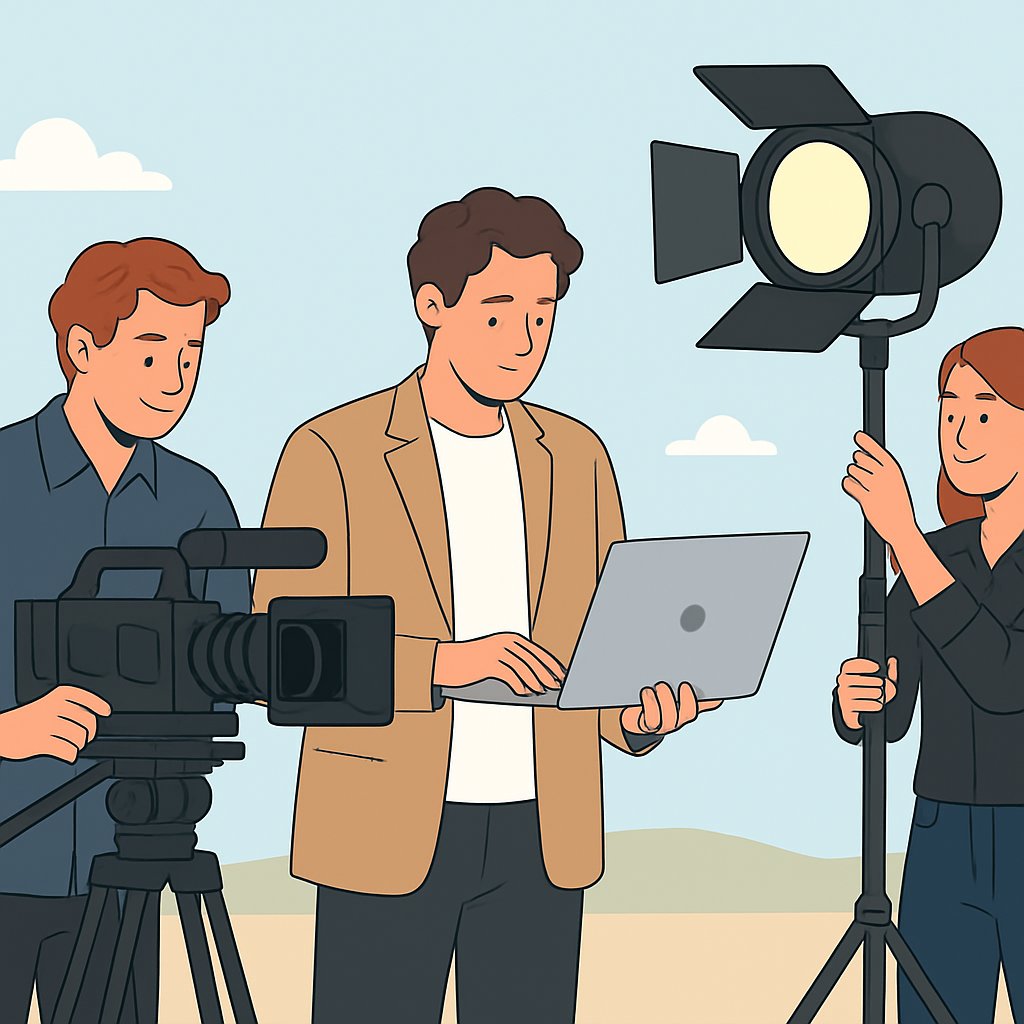
Diversity, Inclusion and Representation Behind the Lens
This section complements earlier coverage of career pathways and technical craft.
Many practitioners encounter limited access to early career opportunities.
Systemic biases affect hiring, commissioning, and decision-making processes.
Barriers Facing Underrepresented Cinematographers
Financial obstacles restrict participation for some candidates.
Cultural misunderstandings can hinder authentic storytelling choices.
Underrepresentation in leadership reduces visible pathways forward.
Industry Initiatives and Support Mechanisms
Industry initiatives seek to expand pathways and reduce barriers.
For example, mentorship and targeted training foster skills and networks.
Funding and commissioning practices can prioritise diverse voices.
Workplace policies and cultural competency training improve inclusion.
Festivals and showcases can highlight emerging diverse cinematographers.
Amplifying Indigenous and Multicultural Voices
Authentic amplification respects cultural protocols and community authority.
Therefore, projects should involve Indigenous and multicultural creators from conception.
Productions must support creative leadership and editorial agency.
Commissioning practices should enable long term collaboration.
Storytelling choices should reflect cultural nuance and lived experience.
Practical Actions for Inclusive Productions
- Recruit through culturally diverse networks and community channels.
- Contract cultural advisors and pay them fairly.
- Allocate budgets for participation, training, and mentorship.
- Create transparent hiring practices and accessible application processes.
- Set clear inclusion goals and communicate them publicly.
Measuring Progress and Accountability
Track participation and outcomes using respectful, anonymised data practices.
Report progress transparently to stakeholders and communities.
Incorporate feedback loops for continuous improvement.
Embed accountability in contracts and funding agreements.
Community Engagement and Long Term Change
Build long term partnerships with community organisations and leaders.
Invest in capacity building and resource sharing.
Prioritise mentorship that leads to sustained career pathways.
Commit to cultural safety and shared decision making.
Discover More: The Role of Art Directors in Leading Creative Projects
Sustainability and Ethics in Production
This section focuses on sustainable and ethical practices for Australian shoots.
Sustainability should shape creative and logistical decisions on set.
Transparency builds trust with communities.
Guiding Principles for Environmentally Responsible Shoots
Accountability builds trust with crews.
Ethical choices balance artistic goals with environmental responsibility.
Leaders should embed environmental expectations into call sheets and briefings.
Energy, Transport, and Waste Practices
Teams can reduce energy use through deliberate planning and scheduling.
Furthermore, consolidating transport trips lowers fuel use and site disturbance.
Moreover, minimizing single-use materials reduces waste and disposal burdens.
Ethical Community Engagement and Cultural Respect
Production teams must engage respectfully with local communities near shoots.
Furthermore, early consultation helps align shooting plans with community needs.
Also, teams should recognize and avoid cultural harm in all interactions.
Crew Practices and Policy
Additionally, training supports crew awareness of sustainable and ethical practices.
Moreover, clear policies make accountability and improvement possible over time.
In addition, careful catering choices can reduce packaging waste and food waste.
Practical Sustainable Shoot Checklist
- Plan to reduce travel and optimize call times.
- Choose reusable or recyclable set materials wherever feasible.
- Provide clear waste sorting and disposal guidance on set.
- Engage communities early and maintain open communication channels.
- Assign sustainability responsibilities to defined crew roles.
Measuring Impact and Continuous Improvement
Teams should track key indicators to understand environmental performance.
Additionally, post-shoot reviews can identify improvements for future productions.
Therefore, learning cycles help reduce impacts on land and communities.
Profile Features and Interview Formats
Profiles and interviews spotlight cinematographers through structured storytelling.
They also use clear format choices to shape each feature.
Previously covered topics inform context without repeating earlier details.
Planning the Feature
Begin by defining the feature’s central theme or narrative thread.
Next, identify the cinematographer’s signature strengths and recurring motifs.
Then, map the structure into clear segments for readability and pacing.
Additionally, obtain consent and clarify rights for images and quotes.
Interview Structures
Use a consistent structure to guide readers and listeners through each profile.
Start with a brief personal introduction to establish voice and background.
Then, transition to a technical segment that explains visual decisions in plain terms.
Afterward, include a career advice section that highlights practical takeaways.
Finally, close with reflections that reveal creative motivations and future ambitions.
- Question categories can include origin stories, creative process, and lessons learned.
- Alternatively, use narrative interviews to unfold a project chronologically.
- Also, consider conversational formats for a more intimate audience connection.
Showcasing Technique Without Jargon
Translate technical choices into sensory descriptions for wider audience comprehension.
For example, describe mood, movement, and light rather than gear specifications.
Additionally, use annotated stills or short clips to illustrate key approaches.
Moreover, pair visuals with concise captions that explain intent and effect.
Highlighting Career Advice
Extract habits and routines that contributed to professional development.
Furthermore, ask about common obstacles and practical strategies to overcome them.
Then, present advice as actionable steps that readers can adapt to their paths.
Also, include brief takeaways or quotable lines for emphasis and quick reference.
Presenting Signature Projects
Frame each project with a short summary of its creative goals and challenges.
Next, break down one or two standout scenes to reveal decision-making processes.
Additionally, include reflective notes about collaboration and problem solving.
Finally, show before-and-after visuals when possible to highlight creative impact.
Format Variations for Different Platforms
Tailor content to format constraints and audience expectations for each platform.
- Written profiles should combine narrative, quotes, and embedded visuals.
- Podcast interviews can emphasize voice, pacing, and longform storytelling.
- Video features should intercut interview clips with illustrative project footage.
- Short social posts must distill insights into concise, shareable moments.
Editorial Ethics and Permissions
Secure clear permissions for images, clips, and quoted material before publication.
Moreover, attribute collaborators and credit contributors accurately and transparently.
Also, verify factual statements directly with interview subjects when possible.
Practical Production Checklist
Prepare a pre-interview brief outlining topics and desired outcomes.
Next, compile a shot list and media plan for any accompanying visuals.
Then, schedule time for follow-up fact checks and quote approvals.
Finally, store assets and rights documentation in an organized, accessible format.


