




Overview of the Art Director’s Responsibilities in Creative Projects
Guiding the Creative Vision
An art director sets the visual style and tone for creative projects.
They interpret the client’s goals into concrete design concepts.
Moreover, they ensure consistency across all visual elements.
This role requires balancing creativity with practical project needs.
Ultimately, the art director shapes the overall aesthetic experience.
Collaborating with Creative Teams
Art directors work closely with graphic designers, photographers, and illustrators.
They communicate ideas clearly to bring concepts to life effectively.
Furthermore, they encourage teamwork and foster creative collaboration.
They resolve conflicts and align everyone with the project’s vision.
As a result, the team achieves a unified artistic direction.
Managing Project Workflow and Deadlines
Art directors develop detailed schedules to keep projects on track.
They assign tasks based on each team member’s strengths.
Additionally, they monitor progress and adjust plans as needed.
They also review and approve all creative outputs before final delivery.
Consequently, they ensure timely and high-quality project completion.
Your Personalized Career Strategy
Unlock your potential with tailored career consulting. Get clear, actionable steps designed for your success. Start now!
Get StartedEnsuring Brand Alignment
Art directors maintain alignment with the client’s brand identity.
They assess whether visual elements reflect brand values clearly.
Moreover, they adapt designs to different media and platforms.
This approach guarantees strong brand recognition across channels.
Thus, the project reinforces the client’s market position.
Balancing Innovation and Practicality
Art directors push creative boundaries while managing budget constraints.
They find innovative solutions that remain feasible within project limits.
They guide teams to experiment without compromising deadlines.
Furthermore, they integrate new trends thoughtfully and strategically.
This balance drives fresh yet executable creative outcomes.
Key Leadership Skills Required for Art Directors
Effective Communication
Art directors must clearly convey their vision to creative teams.
They actively listen to feedback from designers and clients alike.
Moreover, they foster an environment where ideas flow freely.
Strong communication reduces misunderstandings and streamlines workflow.
Stand Out with a Resume That Gets Results
Your career is worth more than a generic template. Let us craft a resume and cover letter that showcase your unique strengths and help you secure that dream job.
Get HiredCreative Vision and Decision Making
Having a clear creative vision guides the entire project’s direction.
Art directors evaluate concepts critically to ensure alignment with goals.
Consequently, they make informed decisions to maintain project quality.
They also adapt their vision based on changing client needs.
Team Leadership and Motivation
Art directors inspire teams to achieve their best work consistently.
They recognize individual strengths and assign tasks accordingly.
Additionally, providing positive reinforcement boosts team morale significantly.
Handling conflicts promptly ensures a collaborative work environment.
Project Management Skills
Art directors organize schedules to meet tight deadlines effectively.
They coordinate resources and manage budgets with precision.
Furthermore, prioritizing tasks helps keep projects on track.
Regular progress reviews allow timely adjustments and improvements.
Technical Expertise and Industry Knowledge
Familiarity with design tools enables art directors to guide their teams better.
Understanding current market trends informs innovative project approaches.
Transform Your LinkedIn for Maximum Impact
Elevate your professional brand with a LinkedIn profile that attracts recruiters, showcases your expertise, and maximizes opportunities. Stand out in your industry with a profile built for success.
Boost ProfileThey continuously update their skills to stay relevant in the industry.
Moreover, they mentor team members on emerging technologies and methods.
Adaptability and Problem-Solving
Art directors quickly adjust plans when unexpected challenges arise.
They think creatively to resolve issues without compromising quality.
Encouraging team input fosters diverse solutions for complex problems.
Ultimately, flexibility ensures projects succeed under varying conditions.
Collaboration between Art Directors and Creative Teams
Building Strong Communication Channels
Art directors establish clear communication channels with their creative teams.
They encourage open dialogue to share ideas and concerns freely.
Effective communication helps prevent misunderstandings during projects.
Additionally, regular meetings keep everyone aligned with project goals.
This approach fosters trust among designers, copywriters, and producers.
Aligning Vision and Objectives
Art directors articulate the creative vision clearly to the entire team.
They ensure the project’s objectives match the client’s expectations.
Furthermore, they translate complex ideas into actionable tasks.
By doing so, teams stay focused on delivering consistent results.
This alignment reduces confusion and streamlines the creative process.
Encouraging Collaborative Brainstorming
Art directors organize brainstorming sessions that involve all team members.
Such sessions inspire innovative ideas and diverse perspectives.
Consequently, teams develop creative solutions faster and more effectively.
They promote an environment where every contribution is valued equally.
This collaborative spirit motivates team members to excel together.
Managing Feedback and Revisions
Art directors provide constructive feedback to refine creative outputs.
They balance client demands with the team’s creative integrity carefully.
Moreover, they guide revisions to enhance quality without losing originality.
Open channels for feedback allow teams to adapt quickly to changes.
This process ensures the final product meets both artistic and commercial standards.
Leveraging Team Strengths
Art directors identify individual talents within their creative teams.
They assign tasks based on each member’s strengths and expertise.
By maximizing skills, teams work more efficiently and productively.
Additionally, this strategy boosts team morale and job satisfaction.
Ultimately, leveraging strengths leads to stronger, more cohesive creative projects.
Find Out More: The Life of a Costume Designer: Behind the Scenes of Australian Productions
Managing Project Timelines and Budgets in Creative Projects
Establishing Clear Project Milestones
Art directors begin by breaking down the project into clear milestones.
This approach helps the creative team stay focused and aligned.
They collaborate with project managers to set realistic deadlines for each milestone.
Furthermore, they communicate these timelines to all stakeholders early on.
Regular reviews ensure that the team progresses according to the set schedule.
Allocating and Tracking Budgets Efficiently
Art directors work closely with financial planners to outline the project budget.
They prioritize essential expenses to maximize creative output within budget limits.
Additionally, they track daily expenditures to prevent overruns.
They conduct frequent budget reviews to identify potential cost savings.
If unexpected costs arise, art directors adjust resources and communicate changes promptly.
Balancing Creativity with Practical Constraints
Art directors encourage innovation while respecting budget and timeline boundaries.
They make informed decisions to maintain quality without compromising deadlines.
During conflicts, they negotiate compromises that serve both creative and financial goals.
Consequently, this balance fosters a productive and motivated creative team.
Utilizing Project Management Tools
Art directors often use digital tools to organize tasks and deadlines.
Tools like Asana or Trello provide visual tracking of project progress.
They share these platforms with the team to enhance collaboration.
Moreover, real-time updates allow timely adjustments to plans and budgets.
Strategies to Prevent Challenges in Timelines and Budgets
Proactive communication helps avoid misunderstandings about project scope.
Art directors identify risks early and prepare contingency plans.
They ensure that all team members understand their responsibilities clearly.
By managing expectations, they reduce stress and improve project outcomes.
See Related Content: The Role of Scriptwriters in Bringing Australian Stories to Life
The Role of Art Directors in Conceptualizing Visual Styles and Themes
Shaping the Visual Identity
An art director defines the visual style to align with the project’s goals and brand.
They collaborate closely with designers to ensure consistency across all media.
Understanding the target audience helps them select appropriate colors and imagery.
Moreover, they balance creativity with market demands to craft appealing visuals.
This role demands both artistic vision and strategic thinking simultaneously.
Developing Creative Concepts
Art directors lead brainstorming sessions to generate innovative visual concepts.
They translate abstract ideas into concrete themes and styles for teams.
Additionally, they evaluate sketches and prototypes to refine the creative direction.
Effective communication ensures that their vision is clearly understood by stakeholders.
They adapt themes to fit evolving project requirements or client feedback promptly.
Collaborating with Cross-Functional Teams
Art directors work hand-in-hand with writers, marketers, and production staff.
They integrate thematic elements to maintain a unified message across platforms.
Furthermore, they coordinate schedules and resources to meet creative deadlines.
Feedback loops allow continuous improvement and alignment on the project’s vision.
Team leadership skills enable them to inspire and motivate creative professionals continuously.
Implementing Visual Trends and Innovations
Art directors stay updated on industry trends to keep projects fresh and relevant.
They experiment with new techniques to elevate the visual storytelling experience.
By adopting emerging tools, they enhance efficiency and artistic quality simultaneously.
They also mentor junior creatives to foster growth and innovation within the team.
Ultimately, their expertise shapes memorable visual identities that resonate with audiences.
Uncover the Details: How Illustrators Create Magic for Books, Ads, and Digital Media
Balancing Client Expectations with Creative Vision
Understanding Client Goals and Needs
Art directors start by thoroughly understanding client goals and needs.
They actively listen during initial meetings to capture key objectives.
Moreover, they ask targeted questions to clarify any ambiguous requirements.
This process ensures alignment between client expectations and project direction.
Additionally, art directors research the client’s industry and audience demographics carefully.
Communicating Creative Ideas Effectively
Clear communication plays a crucial role in balancing creativity and expectations.
Art directors present concepts using visual mockups and storyboards for better clarity.
They also translate design jargon into accessible language clients can easily grasp.
Furthermore, they encourage feedback to refine ideas collaboratively throughout the project.
By maintaining open dialogue, art directors build trust and mutual understanding.
Navigating Challenges and Compromises
Creative projects often involve conflicting viewpoints between teams and clients.
Art directors act as mediators to find solutions that honor both sides’ priorities.
They balance bold artistic choices with practical feasibility and client preferences.
Sometimes, they propose alternatives that maintain the project’s vision while meeting constraints.
Patience and flexibility remain essential qualities during such negotiations.
Maintaining Creative Integrity Throughout the Process
Despite compromises, art directors safeguard the core creative vision consistently.
They mentor team members to uphold design standards and brand consistency.
Regular reviews and critiques help ensure the project stays aligned with initial goals.
Art directors encourage innovation within the parameters defined by the client.
Consequently, the final work achieves both aesthetic appeal and client satisfaction.
Strategies for Long-Term Client Relationships
Building lasting partnerships involves exceeding expectations whenever possible.
Art directors deliver on promises while proactively identifying opportunities for improvement.
They provide insightful reports demonstrating progress and value over time.
Furthermore, they adapt creative approaches based on evolving client needs and trends.
Successful collaboration leads to repeat business and positive referrals consistently.
Learn More: How Graphic Designers Combine Creativity and Strategy in Their Work
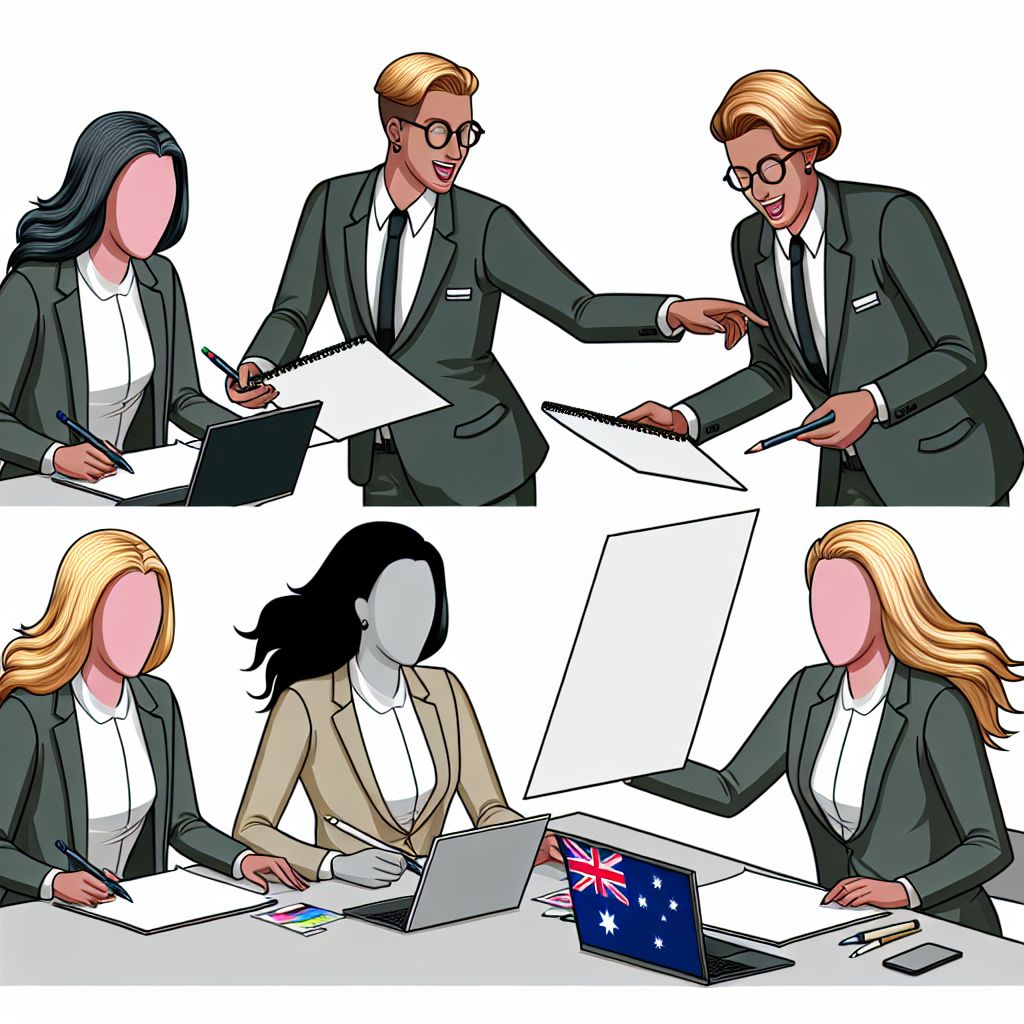
Techniques for Effective Communication and Feedback Within Teams
Establishing Clear Communication Channels
Art directors must create well-defined communication pathways to avoid confusion.
They encourage teams to use dedicated tools such as Slack or Microsoft Teams.
Moreover, regular check-ins reinforce consistent updates within creative groups.
Lauren Mitchell at Blue Summit Studios champions open discussion forums for all projects.
These efforts ensure everyone stays aligned on deadlines and creative goals.
Promoting Active Listening Among Team Members
Leaders train team members to listen attentively to understand perspectives fully.
Effective listening helps uncover hidden challenges early in the creative process.
Additionally, it fosters respect and empathy among designers, writers, and producers.
For example, Creative Director Marcus Nguyen conducts workshops on active listening skills.
This increases collaborative problem-solving and boosts overall team morale.
Delivering Constructive Feedback with Empathy
Art directors provide feedback that focuses on ideas, not individuals.
They balance positive reinforcement with suggestions for improvement to encourage growth.
Furthermore, giving timely feedback prevents small issues from escalating later.
At Studio Lumen, Claudia Reyes emphasizes compassionate critiques during client presentations.
Such an approach nurtures trust and motivates teams to refine their work creatively.
Encouraging Open Dialogue and Idea Sharing
Creating a safe space encourages team members to voice opinions without fear.
Art directors host brainstorming sessions to spark innovation and diverse viewpoints.
Also, anonymous suggestion boxes can uncover insights that may otherwise remain hidden.
Creative lead Aiden Park often integrates feedback rounds after every major milestone.
This openness ultimately leads to richer, more dynamic project outcomes.
Utilizing Visual Tools for Clearer Communication
Visual aids like mood boards and wireframes help convey abstract concepts effectively.
They bridge communication gaps between visual and non-visual team members.
Moreover, collaborative platforms such as Miro enable real-time input and edits.
Art director Sophia Tran uses these tools to align expectations during client reviews.
Consequently, visual clarity reduces misunderstandings and streamlines workflows.
Challenges Faced by Art Directors and Strategies to Overcome Them
Managing Diverse Creative Teams
Art directors often lead teams with varied skills and personalities.
They must foster collaboration despite different creative approaches.
Clear communication is essential to align everyone’s vision effectively.
Moreover, encouraging open dialogue helps resolve conflicts quickly.
Olivia Brooks at Ember Creative emphasizes regular brainstorming sessions.
Such meetings allow team members to express ideas freely and feel valued.
Meeting Tight Deadlines Without Compromising Quality
Creative projects often face strict deadlines that pressure art directors.
Daniel Kim from Horizon Design insists on early planning to manage timelines.
He divides tasks into manageable phases, maintaining steady progress.
Additionally, prioritizing critical elements helps focus team efforts efficiently.
Using project management tools like Asana or Trello increases transparency.
These tools keep everyone updated and reduce last-minute surprises.
Balancing Client Expectations with Creative Integrity
Clients sometimes request changes that challenge the original artistic vision.
Michael Torres of Crestwood Creative negotiates to find feasible compromises.
He listens carefully to client needs while explaining design choices clearly.
Educating clients on visual impact encourages trust in the art director’s expertise.
Setting realistic expectations early prevents misunderstandings later.
Regular progress reviews keep clients informed and involved constructively.
Adapting to Rapid Technological Changes
The design field evolves quickly with new software and tools.
Art directors must stay updated to maintain competitive advantages.
Tamara Wilkes at Brightwave Media dedicates time for continuous learning.
She encourages her team to attend workshops and online courses regularly.
Experimenting with emerging technologies broadens creative possibilities.
This proactive approach ensures projects utilize the latest design trends.
Strategies for Sustaining Creative Motivation
Creative burnout can hinder an art director’s and their team’s productivity.
Jamal Price from Innovate Arts promotes breaks and creative retreats.
He believes stepping away occasionally rekindles inspiration and energy.
Recognition of achievements boosts morale and motivates continued effort.
Moreover, fostering a supportive environment reduces stress and encourages risk-taking.
These methods help maintain enthusiasm throughout demanding projects.
The Impact of Technology and Digital Tools on Art Direction
Transformation of Creative Workflows
Technology has revolutionized how art directors manage creative projects.
Digital tools streamline the planning and execution phases efficiently.
Software like Adobe Creative Cloud offers comprehensive design capabilities.
Tools such as Trello and Asana enhance team collaboration and task tracking.
These technologies help art directors maintain clear communication with artists and clients.
Consequently, project timelines become more predictable and easier to meet.
Enhancing Visualization and Concept Development
Art directors now utilize 3D modeling and virtual reality to visualize concepts vividly.
This advancement enables clearer presentation of ideas to stakeholders.
Mood boards and digital sketches allow rapid iteration of creative concepts.
Teams can quickly adjust designs based on immediate feedback.
Such tools reduce misunderstandings and foster alignment across creative teams.
Expanding Creative Possibilities
Digital tools unlock new artistic techniques and experimental opportunities.
Advanced photo editing and animation software expand the range of visual effects.
AI-assisted design tools can generate creative variations automatically.
Art directors leverage these innovations to push creative boundaries further.
As a result, projects gain originality and stronger visual appeal.
Addressing Challenges in Adopting New Technologies
Embracing technology demands continuous learning and adaptation from art directors.
Some team members may resist change due to unfamiliarity with new tools.
Effective training programs like those at Azure Pixel Workshop are essential.
Art directors must balance innovative practices with practical workflow considerations.
In doing so, they lead teams confidently through digital transformation.
Career Progression and Development Opportunities for Art Directors
Entry and Mid-Level Career Paths
Many art directors begin their careers as graphic designers.
Some start as junior creatives at agencies like BrightWave Studios.
They gain experience working on diverse projects for various clients.
Art directors develop leadership skills by managing small teams.
They also coordinate campaigns to build project management abilities.
Working closely with senior creatives sharpens their artistic vision.
This collaboration enhances decision-making capabilities crucial for growth.
Simultaneously, they expand technical expertise using Adobe Creative Suite.
Advancing to Senior Art Director Roles
To advance, art directors like Emily Chen focus on strategic planning.
They also improve client communication to build strong partnerships.
Senior roles often require overseeing multiple projects simultaneously.
Mastering budgeting and scheduling becomes essential for their growth.
Many senior art directors mentor junior staff to cultivate talent.
Companies such as Lumina Creative actively support leadership development.
Opportunities in Specialized and Executive Positions
Art directors can specialize in motion graphics or digital media design.
This specialization increases demand for talents like Rafael Martinez at NovaPixel Agency.
Some art directors progress into executive roles as creative directors.
Others become chief design officers influencing company-wide creative strategies.
Leadership programs at firms like Harland & Co. nurture these skills.
Continuous Learning and Professional Development
Continuous education helps art directors stay current with industry trends.
They attend workshops, conferences, and online courses regularly to improve skills.
Participation in networks like the Creative Leaders Forum broadens connections.
Earning certifications in UX design or project management opens new roles.
Mentorship from professionals such as Laura Nguyen supports personal growth.
Building a Strong Professional Portfolio
A compelling portfolio remains vital throughout an art director’s career.
It showcases skills and projects from companies like Elmwood Designs.
Regular updates reflect evolving styles and mastery of emerging tools.
A well-curated portfolio attracts employers and clients alike.
Networking events and industry competitions offer opportunities to present work.