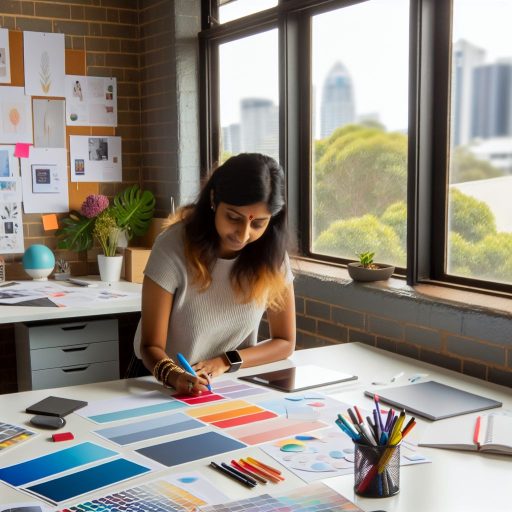




Introduction to the Role of a Costume Designer in Australian Productions
Defining the Costume Designer’s Role
A costume designer shapes the visual identity of characters in film and theatre.
They work closely with directors and production teams to establish a cohesive look.
In Australian productions, they bring local culture and style to life through costumes.
Consequently, their work greatly influences storytelling and audience engagement.
Key Responsibilities in Australian Productions
Costume designers research historical and cultural contexts relevant to the story.
They select fabrics, colours, and accessories that enhance character portrayal.
Moreover, they collaborate with wardrobe supervisors and tailors to create costumes.
They also manage budgets and timelines to meet production deadlines efficiently.
Collaboration and Creative Process
Initially, designers meet with directors to understand the vision and tone of the production.
Then, they draft sketches and proposals for approval before moving to sourcing materials.
They often work with local Australian artisans and suppliers to source authentic pieces.
During rehearsals, designers adjust costumes based on actors’ performances and feedback.
Challenges Unique to Australian Productions
Designers must balance the distinct Australian climate with costume functionality.
Additionally, they incorporate Indigenous Australian cultural elements respectfully and accurately.
Budget constraints in smaller productions require creative problem-solving and resourcefulness.
Your Personalized Career Strategy
Unlock your potential with tailored career consulting. Get clear, actionable steps designed for your success. Start now!
Get StartedFurthermore, they adapt to diverse filming locations, from urban sets to natural landscapes.
Educational Background and Essential Skills Required for Costume Designers
Educational Pathways for Costume Designers
Costume designers usually complete a formal education in fashion or theatrical design.
Many attend institutions like the National Institute of Dramatic Art in Sydney.
Others earn degrees from RMIT University or the University of Technology Sydney.
Courses typically cover fabric selection, sewing techniques, and design history.
In addition, practical workshops help develop hands-on skills early on.
Furthermore, internship opportunities with theatre companies enhance real-world experience.
Key Creative and Technical Skills
Costume designers must demonstrate strong creativity to bring characters to life visually.
They also require proficiency in sketching and digital design tools such as Adobe Illustrator.
Moreover, knowledge of textiles and garment construction is crucial for accurate designs.
Organizational skills help manage deadlines and multiple costume pieces effectively.
Effective communication skills allow collaboration with directors, actors, and production teams.
Additionally, attention to detail ensures authenticity and consistency in costume creation.
Adaptability and Industry Knowledge
Understanding the historical and cultural context of each production enhances design relevance.
Stand Out with a Resume That Gets Results
Your career is worth more than a generic template. Let us craft a resume and cover letter that showcase your unique strengths and help you secure that dream job.
Get HiredCostume designers often adapt quickly to last-minute script changes or actor needs.
Familiarity with Australian theatre companies like Bell Shakespeare and Sydney Theatre Company provides industry insight.
Networking within the creative community opens doors to new opportunities and mentorship.
Finally, continuous learning keeps designers updated on emerging trends and technologies.
The Creative Process
Initial Concept and Research
Costume designers begin by understanding the story and its characters deeply.
They gather inspiration from the script, director’s vision, and historical context.
For example, Emily Parker studies Australian cultural elements when designing local productions.
Additionally, designers research fabrics, colors, and styles to match the setting.
This phase often involves consulting historians or cultural experts for authenticity.
Sketching and Design Development
Once research is complete, designers create detailed sketches of costume ideas.
They consider how fabrics will move and how costumes fit actors’ roles.
Michael Thompson illustrates multiple variations to offer the production team options.
Furthermore, designers refine their sketches based on feedback from directors and actors.
This stage ensures alignment between creative vision and practical needs.
Transform Your LinkedIn for Maximum Impact
Elevate your professional brand with a LinkedIn profile that attracts recruiters, showcases your expertise, and maximizes opportunities. Stand out in your industry with a profile built for success.
Boost ProfileMaterial Selection and Fabrication
After finalizing designs, designers select suitable materials for each costume piece.
They prioritize durability, comfort, and visual impact under stage lighting.
For instance, Olivia Chen sources unique fabrics from Australian suppliers that suit the climate.
Costumers then cut, sew, and assemble the outfits in collaboration with skilled artisans.
This collaborative effort brings the designs from paper to physical form.
Fittings and Adjustments
Actors participate in multiple fittings to ensure costumes fit perfectly and allow movement.
Designers observe how costumes perform during rehearsals and make necessary tweaks.
Samuel Li adjusts hemlines and trims to better suit an actor’s performance style.
Moreover, this phase helps identify any quick repairs needed during live shows.
Ultimately, this process guarantees each costume enhances character portrayal effectively.
Gain More Insights: The Role of Scriptwriters in Bringing Australian Stories to Life
Collaborating with Directors, Actors, and Production Teams
Building Strong Relationships with Directors
Costume designers engage closely with directors from the project’s early stages.
This collaboration ensures the costume design aligns with the director’s vision.
For example, designer Emma Collins worked with director Samuel Greene on a recent Sydney play.
They discussed the character’s backstory to create authentic costume choices.
Furthermore, directors provide feedback during fittings and final preparations.
This ongoing dialogue helps refine the designs for visual storytelling.
Engaging Actors in the Costume Process
Actors play a crucial role in bringing costumes to life on stage or screen.
Costume designers like Lucas O’Reilly consult actors to ensure comfort and mobility.
They schedule multiple fittings to adapt costumes as needed.
Additionally, actors sometimes suggest tweaks that enhance character portrayal.
By working together, designers and actors achieve more believable performances.
Coordinating with Production Teams
A costume designer collaborates with various production departments to balance aesthetics and practicality.
This includes working with set designers, makeup artists, and lighting technicians.
At Brightstar Theatre Company, costume and set teams meet weekly to synchronize artistic elements.
Moreover, designers consider budget constraints while sourcing materials and accessories.
They also coordinate with wardrobe supervisors to manage costume maintenance during runs.
Managing Communication and Workflow
Successful collaboration relies on clear and consistent communication channels.
Teams often use tools such as digital mood boards and project management apps.
Designer Olivia Nguyen credits regular meetings for preventing costly last-minute changes.
Effective communication fosters a cohesive team environment.
Ultimately, this collaboration enhances the quality and authenticity of Australian productions.
Uncover the Details: How Illustrators Create Magic for Books, Ads, and Digital Media
Sourcing Materials in Australian Theatre and Film
Building Relationships with Suppliers
Costume designers rely heavily on trusted relationships with local fabric suppliers.
For example, Olivia Turner frequently works with Sydney-based Millhouse Textiles.
These connections ensure timely availability of high-quality materials.
Furthermore, they help designers negotiate better prices and terms.
Strong supplier relationships also provide access to rare or specialty fabrics.
Utilizing Sustainable and Local Resources
Many Australian productions prioritize eco-friendly and locally sourced fabric options.
Costume designer Ethan Clarke sources organic cotton and reclaimed fabrics.
This approach reduces environmental impact and supports Australian businesses.
Moreover, sustainability aligns with the values of increasingly conscious audiences.
Therefore, designers often collaborate with companies such as GreenStitch Creations in Melbourne.
Balancing Creativity with Practical Availability
Designers must adapt their visions to the materials they can realistically source.
Sometimes, they substitute rare fabrics with innovative alternatives.
For example, silk textures can be mimicked using premium synthetic blends.
Additionally, costume makers often modify designs to suit fabric durability and comfort.
Consequently, the creative process remains fluid throughout production.
Managing Budgets in Australian Theatre and Film
Establishing Clear Financial Plans
Designers begin with detailed budget proposals outlining material and labor costs.
They collaborate closely with production managers like Amelia Zhang.
This collaboration ensures budget alignment with overall production expenses.
Furthermore, clear communication reduces the risk of overspending during filming.
Regular budget reviews help track expenses and identify savings opportunities.
Cost-Saving Strategies Without Compromising Quality
To stay within budget, designers repurpose costumes from previous productions.
They often modify existing wardrobe pieces creatively to fit new characters.
Additionally, in-house sewing teams reduce outsourcing costs significantly.
Bulk purchasing of materials also lowers unit prices for fabric and accessories.
Coordinating with prop and set departments can uncover shared resource opportunities.
Contingency Planning and Flexibility
Designers allocate contingency funds for unexpected expenses or last-minute changes.
For instance, wardrobe malfunctions during rehearsals require quick fixes.
Being flexible allows costume teams to adapt without disrupting production schedules.
Experienced designers, such as Liam Garrett, emphasize contingency as essential.
This approach maintains professional standards while respecting financial constraints.
Delve into the Subject: How Graphic Designers Combine Creativity and Strategy in Their Work
Challenges Faced by Costume Designers in the Local Industry
Budget Constraints and Resource Limitations
Budget restrictions often limit costume designers' creativity in Australian productions.
They must source materials and costumes affordably without sacrificing quality.
Moreover, local productions typically have smaller financial backing than international projects.
Therefore, designers like Emily Stanton at Southern Star Theatrics use clever techniques to stretch their budgets.
They frequently repurpose costumes and rely on handcrafted details to maintain authenticity.
Tight Deadlines and Workload Pressure
Costume designers regularly face tight deadlines that challenge their time management skills.
For instance, Jack Moran, who works with Brisbane Repertory Theatre, balances multiple productions simultaneously.
Additionally, costume fittings, alterations, and last-minute changes increase their workload exponentially.
Consequently, they must work efficiently while maintaining high standards.
Time pressure often leads to long work hours and elevated stress levels within the design teams.
Limited Access to Specialized Suppliers and Materials
Australian designers often struggle to find specialty fabrics and accessories locally.
This limitation forces them to import materials, increasing costs and lead times.
Local suppliers may not stock niche items required for period or fantasy costumes.
Therefore, designers like Olivia Rogers collaborate with off-shore vendors to source unique textiles.
Such arrangements, however, add complexity to scheduling and budgeting processes.
Balancing Cultural Sensitivity and Creative Vision
Costume designers must respect Indigenous cultures and traditions when creating designs.
They collaborate closely with cultural consultants to avoid misrepresentation.
This balance requires careful research and sensitivity in each production.
For example, costume designer Marcus Lee worked with the Wurundjeri community during a recent Melbourne production.
Respecting cultural heritage impacts design choices and material selection significantly.
Adapting to Evolving Industry Expectations
The modern Australian theatre and film industries push designers toward sustainable practices.
Many costume designers now incorporate eco-friendly fabrics and recycling methods.
Innovation is essential to meet environmental goals while delivering visually compelling costumes.
Designers like Rachel Kim of Coastal Arts Collective lead the way in sustainable costume creation.
Such expectations also encourage continuous learning and fresh approaches within the profession.
Delve into the Subject: The Rise of Streaming Services: How Australians are Carving Careers in Digital Entertainment
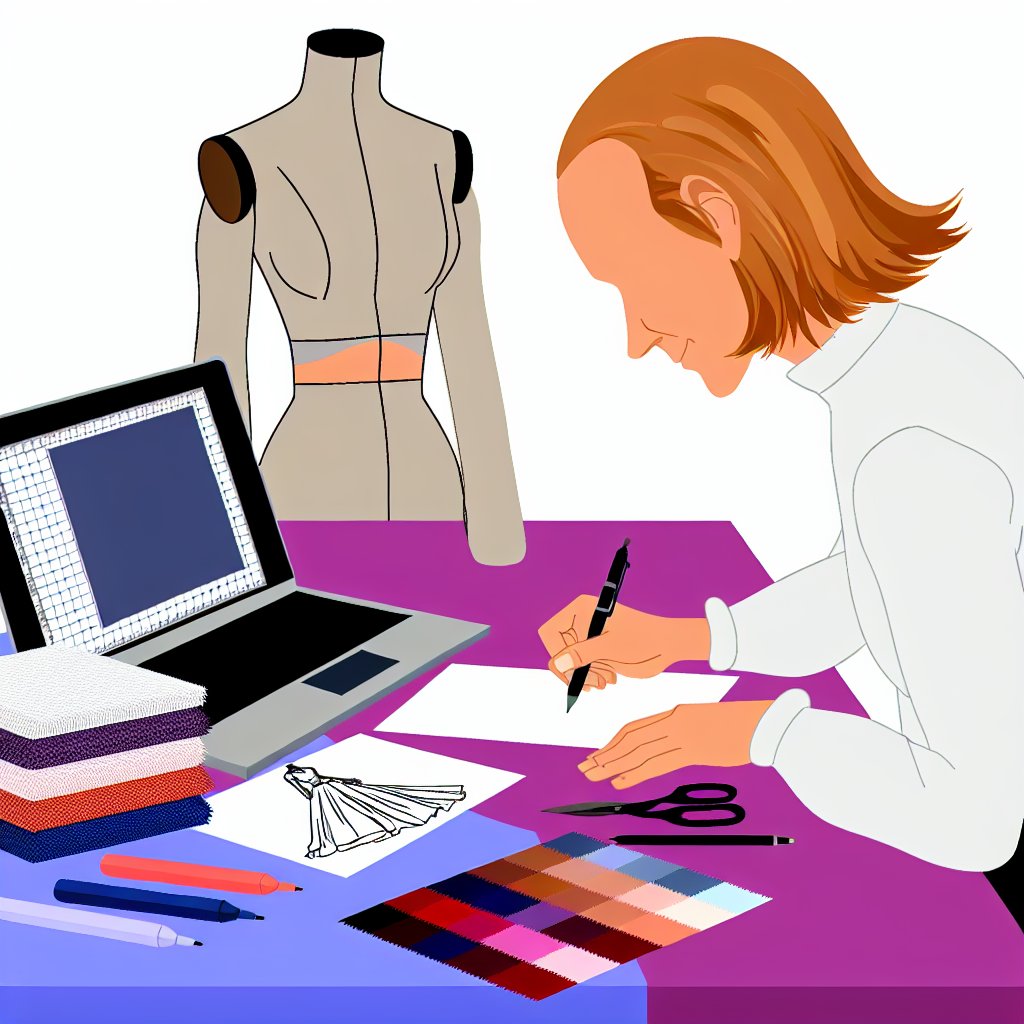
Balancing Historical Accuracy with Modern Aesthetics
Appreciating the Importance of Authenticity
Costume designers strive to honor the historical period of each production.
Accurate costumes help immerse audiences in the story’s setting.
Moreover, they reflect the culture, social status, and environment of characters.
Laura Kingston, a Sydney-based designer, emphasizes research as a foundation.
She collaborates with historians and consults archives to validate designs.
This approach ensures costumes remain credible and true to their time.
Incorporating Contemporary Style Elements
While accuracy is vital, designers also consider modern audience expectations.
They adapt some details to enhance comfort and movement for actors.
Stylists like Nathan Reid often blend subtle modern touches with historical fabrics.
This balance maintains visual appeal without compromising authenticity.
Furthermore, innovative cuts or color palettes keep the designs fresh.
Such choices enable audiences to connect emotionally with the characters.
Challenges of Merging Past and Present
Designers face constraints such as budget and material availability.
They often replace rare historical textiles with contemporary alternatives.
Jasmine Liu from Melbourne Theatre Company navigates this challenge daily.
She skillfully chooses fabrics that mimic period textures and durability.
Lighting and stage effects also influence how costumes appear.
Thus, designers adapt designs to suit technical requirements of each production.
Collaborating with Creative Teams
Costume designers work closely with directors and set designers.
This collaboration aligns costumes with the overall artistic vision.
For instance, set designer Michael Torres ensures color harmony across elements.
Collaboration fosters innovation and balances historical realism with theatrical flair.
Ultimately, this teamwork enriches the storytelling experience for the audience.
Key Strategies for Success
- Conduct extensive historical research to ground costume choices.
- Select fabrics that reflect period details but offer performer comfort.
- Incorporate subtle modern design elements to appeal to contemporary viewers.
- Maintain open communication with production and creative teams.
- Test costumes under stage lighting for optimal visual effect.
A Day in the Life of a Costume Designer During a Production
Morning Preparations and Research
Emma Lawson begins her day early at the Sydney Arts Theatre.
First, she reviews the director’s vision and script notes carefully.
Then, she assesses mood boards and fabric samples prepared the day before.
Additionally, she meets with Melbourne Fabrics to select materials for upcoming scenes.
Moreover, she coordinates with the lighting designer to understand stage color schemes.
Collaboration with the Production Team
Emma gathers the costume department to assign specific tasks for the day.
She discusses fitting schedules with actors and schedules sessions accordingly.
Subsequently, she consults with makeup artist Lucas Bennett to ensure cohesive character looks.
Furthermore, she aligns costume choices with set designer Claire Montgomery’s plans.
This teamwork ensures consistent storytelling through visual elements.
Costume Creation and Adjustments
In the workshop, seamstress Mia Chen works on elaborate dresses inspired by 1920s fashion.
Meanwhile, Emma supervises final fittings with lead actor James Carmichael.
She observes how costumes move during rehearsals to make necessary alterations.
Accordingly, she marks areas for tailoring improvements to ensure comfort and durability.
Emma also updates the inventory log to track each costume piece’s status.
Afternoon Challenges and Problem-Solving
Unexpectedly, a costume zipper breaks during a dress rehearsal.
Emma quickly sources alternative materials from local supplier Harper’s Textiles.
She then collaborates with Mia to execute seamless repairs before the next rehearsal.
Additionally, she consults with choreographer Ethan Wright to adjust costumes for dance scenes.
This responsiveness ensures the production remains on schedule despite obstacles.
Review of Costume Continuity and Organization
As the day closes, Emma reviews the costume continuity sheets meticulously.
She prepares notes for upcoming scenes that require new costume designs.
Before leaving, she stores costumes securely in labeled racks to protect them overnight.
Finally, Emma emails the production manager, Ava Chen, to report the day’s progress.
Career Progression and Opportunities within the Australian Entertainment Sector
Starting a Career as a Costume Designer
Many costume designers begin their careers with formal training in fashion or design.
Institutions like the National Institute of Dramatic Art offer specialized courses.
Additionally, internships with theatre companies provide essential hands-on experience.
Emerging designers often work on small independent productions to develop their portfolios.
Networking at industry events helps build important professional connections.
Advancing through Practical Experience and Collaboration
Working closely with directors and actors enhances a costume designer’s understanding of storytelling.
Furthermore, collaborating with makeup artists and set designers strengthens production cohesion.
Progression often comes by taking on larger projects within theatre, film, or television.
Reputation grows by consistently delivering creative and practical costume solutions.
Many designers join professional bodies such as Costume Designers Guild Australia to gain recognition.
Opportunities across Various Australian Productions
The Australian entertainment sector offers diverse opportunities in theatre, film, and television.
Companies like Opera Australia and Sydney Theatre Company regularly hire costume designers.
Moreover, film productions by makers such as Screen Australia provide dynamic roles.
Regional festivals such as Adelaide Fringe also foster costume design talent.
Freelance work allows designers to explore different styles and mediums.
Expanding Skillsets to Increase Career Growth
Staying current with textile technology enhances costume creation techniques.
Digital design skills have become increasingly important in modern productions.
Additionally, learning about historical costume periods broadens creative possibilities.
Taking leadership roles, such as head costume designer, offers career advancement.
Teaching and mentoring also contribute to long-term career success.
Impact of Australian Culture and Environment on Costume Design Choices
Inspiration from the Australian Landscape
Australian productions often draw inspiration from the country’s diverse landscapes.
Designers like Emily Watson incorporate natural elements into costume textures and colors.
They consider the vibrant red earth, coastal blues, and lush forests for authentic palettes.
This connection enhances the visual storytelling and grounds characters in their environment.
Furthermore, costumes reflect the unique flora and fauna indigenous to Australia.
These natural motifs help emphasize character identities and regional settings.
Influence of Australian History and Indigenous Culture
Costume designers respectfully integrate Indigenous art and cultural symbolism into their work.
For instance, Melanie Carter collaborated with local Aboriginal communities on recent theater pieces.
This collaboration ensures authenticity and honors traditional stories and patterns.
Historical periods also shape costume choices, highlighting Australia’s colonial past and multicultural heritage.
Designers use fabrics and styles reminiscent of early settlers’ clothing merged with modern aesthetics.
Such blends emphasize Australia’s complex cultural narrative and identity.
Adapting to the Australian Climate
Designers consider Australia’s varied climate when selecting materials and garment structures.
Lightweight, breathable fabrics are preferred for productions filmed in hot or humid regions.
On the other hand, wool and layered costumes appear in cooler southern settings.
Costume practicalities balance heat management with maintaining period accuracy.
Outdoor shoots require durable materials that endure sun exposure and natural conditions.
Thus, functional choices support actors’ comfort and performance effectiveness.
Reflecting Contemporary Australian Fashion Trends
Modern productions integrate current Australian fashion influences into costume designs.
Designers such as Lucas Byrne draw from streetwear and local designer aesthetics.
This approach adds relevance and relatability for contemporary audiences.
Furthermore, sustainable and ethical fashion practices increasingly inform material sourcing.
Creative teams prioritize eco-friendly fabrics aligning with Australia’s environmental awareness.
This trend demonstrates the industry’s evolving commitment to sustainability.
Additional Resources
Podcast – Costume Designer Gypsy Taylor – Screen News – Screen …