



Understanding the Role of Special Education Teachers in Inclusive Classrooms
Facilitating Learning for Diverse Needs
Special education teachers create effective learning environments in inclusive classrooms.
They tailor instructional strategies to support students with various disabilities.
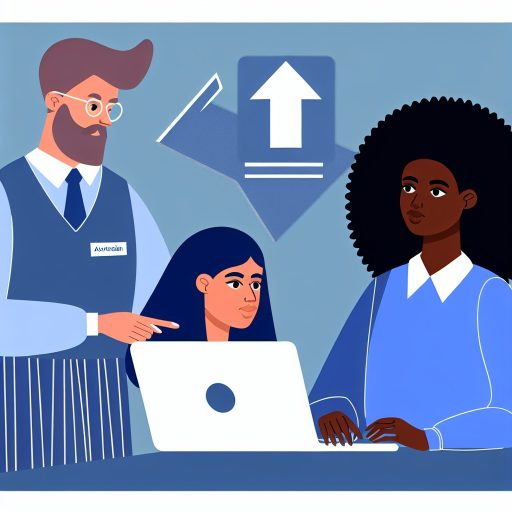
Moreover, they collaborate with general education teachers to adapt lessons as needed.
Through ongoing assessment, they ensure each student receives appropriate challenges.
Consequently, students benefit from personalized support and increased engagement.
Promoting Collaboration and Teamwork
Special education teachers foster strong partnerships with families and school staff.
They communicate regularly with parents to discuss student progress and goals.
Additionally, they work closely with counselors, speech therapists, and occupational therapists.
This teamwork strengthens the support network surrounding each student.
Therefore, students receive comprehensive care that addresses academic and social needs.
Advocating for Student Inclusion and Rights
Special education teachers champion the rights of students with disabilities.
They ensure students access accommodations required by law.
Furthermore, they encourage an inclusive classroom culture that values diversity.
They also train peers and staff to understand and embrace differences positively.
As a result, schools become more welcoming and equitable learning communities.
Your Personalized Career Strategy
Unlock your potential with tailored career consulting. Get clear, actionable steps designed for your success. Start now!
Get StartedEnhancing Social and Emotional Development
Special education teachers focus on building students’ social skills and self-confidence.
They implement strategies to help students manage emotions and resolve conflicts.
In addition, they provide opportunities for positive peer interactions and teamwork.
These efforts promote students’ overall well-being and sense of belonging.
Hence, students thrive academically and socially within inclusive settings.
Adapting Curriculum and Teaching Strategies to Meet Diverse Learning Needs
Personalizing Learning Objectives
Special education teachers tailor learning goals to fit each student’s unique abilities.
They collaborate closely with classroom teachers to align these goals within the inclusive environment.
Moreover, they regularly assess progress to adjust objectives as needed.
Using Varied Instructional Methods
Teachers employ multiple teaching techniques to engage diverse learners.
For example, they use visual aids, hands-on activities, and technology to support understanding.
In addition, they incorporate peer learning to foster social and academic growth.
Implementing Differentiated Instruction
Differentiated instruction allows teachers to address varying skill levels simultaneously.
They modify content complexity, delivery, and assessment based on student needs.
Consequently, all students receive appropriate challenges and support within the classroom.
Stand Out with a Resume That Gets Results
Your career is worth more than a generic template. Let us craft a resume and cover letter that showcase your unique strengths and help you secure that dream job.
Get HiredIntegrating Assistive Technologies
Assistive tools play a critical role in supporting learners with disabilities.
Examples include speech-to-text software, audio books, and adaptive keyboards.
Furthermore, teachers train students to use these tools effectively to enhance independence.
Collaborating with Families and Specialists
Effective adaptation requires input from families and specialized professionals.
Teachers maintain open communication with speech therapists, occupational therapists, and counselors.
This teamwork leads to consistent strategies both at school and home.
Promoting an Inclusive Classroom Culture
Teachers foster respect and understanding among all students.
They use activities that celebrate differences and build empathy.
As a result, every learner feels valued and motivated to participate fully.
Collaborating with General Education Teachers to Support All Students
Building Strong Partnerships for Inclusive Success
Special education teachers foster close partnerships with general education teachers.
They actively share knowledge about students’ individual learning needs.
Moreover, collaboration helps tailor instruction for diverse learners.
Regular communication ensures consistent support across classroom settings.
For example, Melissa Grant coordinates with Mr. Ramirez to adapt lesson plans.
Transform Your LinkedIn for Maximum Impact
Elevate your professional brand with a LinkedIn profile that attracts recruiters, showcases your expertise, and maximizes opportunities. Stand out in your industry with a profile built for success.
Boost ProfileThese partnerships help break down barriers for students with disabilities.
Co-Planning and Co-Teaching Strategies
Special educators and general educators plan lessons together.
This teamwork creates engaging, accessible learning activities for all students.
They use co-teaching models such as team teaching and parallel instruction.
Consequently, students receive targeted support without missing core content.
In practice, Sarah Liu and Emma Fletcher co-teach math using differentiated tasks.
This method encourages participation and boosts students’ confidence.
Sharing Expertise and Professional Development
Special education teachers provide training on inclusive teaching practices.
They share strategies for behavior management and differentiated instruction.
Because of this, general education teachers feel more prepared to support all learners.
For example, Andre Wallace leads workshops on modifying assessments effectively.
Additionally, ongoing collaboration fosters a culture of continual learning.
Utilizing Data to Enhance Instruction
Partners regularly review student progress data to adjust teaching methods.
They discuss accommodations and interventions that improve learning outcomes.
This data-driven approach ensures that instruction meets students’ evolving needs.
For instance, Valeria Kim and Joseph Haynes analyze reading scores weekly.
Then, they refine strategies to address specific skill gaps.
Promoting Inclusive Classroom Environments Together
Both teachers work to create welcoming and supportive classrooms.
They establish routines that encourage respect and collaboration among students.
Furthermore, they celebrate diverse abilities and learning styles openly.
As a result, all students feel valued and motivated to contribute.
For example, Elise Morgan and David Patel organize peer buddy systems.
Explore Further: The Life of a University Lecturer: Inspiring the Next Generation
Implementing Individualized Education Programs (IEPs) Effectively
Collaborative Development of IEPs
Special education teachers collaborate with families, administrators, and therapists.
They gather valuable input about each student’s strengths and challenges.
Furthermore, they review assessments to understand students’ unique needs.
Regular meetings ensure all team members share insights and goals.
Through collaboration, teachers build comprehensive and tailored education plans.
Clear Goal Setting and Progress Monitoring
Teachers define measurable and achievable goals for every student.
They ensure goals align with students’ abilities and long-term development.
In addition, they use various data to track students’ progress regularly.
This data-driven approach allows for timely adjustments to instruction.
Consequently, students receive targeted support to maximize their learning.
Adapting Instruction to Meet Individual Needs
Special education teachers modify lessons to suit diverse learning styles.
They incorporate visual, auditory, and hands-on methods thoughtfully.
Moreover, they use assistive technologies to enhance student engagement.
Flexible grouping and pacing help address specific learner requirements.
Therefore, students benefit from inclusive and accessible classroom environments.
Effective Communication and Advocacy
Teachers maintain open communication with parents and guardians consistently.
They provide updates on student achievements and challenges honestly.
In addition, they advocate for necessary resources and support services.
This advocacy ensures students receive equitable educational opportunities.
Ultimately, strong communication strengthens the educational partnership.
Learn More: Behind the Scenes: What School Counselors Do for Student Success
Promoting Social Inclusion and Peer Relationships Among Students
Fostering a Welcoming Classroom Environment
Teachers create safe spaces where all students feel valued and accepted.
They encourage kindness and respect among peers to build a positive culture.
Moreover, they celebrate diverse abilities to highlight every student’s strengths.
By modeling inclusive behavior, special educators set clear expectations for respect.
As a result, students develop empathy and appreciation for differences early on.
Encouraging Collaborative Activities
Teachers design group projects that require cooperation and shared goals.
This approach helps students build meaningful connections through teamwork.
Additionally, they pair students strategically to promote interaction and support.
Through structured collaboration, peers learn to communicate effectively with one another.
Consequently, relationships strengthen, creating a more unified classroom community.
Supporting Peer Mentoring and Buddy Systems
Special education teachers facilitate buddy programs to bridge social gaps.
They match students with peers who can offer guidance and friendship.
These systems provide opportunities for leadership and mutual learning.
Furthermore, they boost confidence in students with diverse learning needs.
Ultimately, such connections foster lasting friendships and social belonging.
Implementing Social Skills Instruction
Teachers explicitly teach communication, cooperation, and conflict resolution skills.
They use role-playing exercises to practice real-life social scenarios.
This instruction helps students understand social cues and appropriate responses.
Special educators reinforce these skills consistently throughout daily interactions.
Therefore, students improve their ability to form and maintain peer relationships.
Collaborating with Families and Staff
Teachers work closely with families to encourage social opportunities beyond school.
They also collaborate with general educators to support inclusive classroom dynamics.
Sharing strategies ensures consistent social support for students across settings.
Additionally, ongoing communication helps identify challenges and celebrate progress.
Together, educators and families create a network that nurtures social inclusion.
Learn More: The Unique Role of Montessori Teachers in Early Childhood Education
Using Assistive Technology to Enhance Learning Outcomes
Role of Assistive Technology in Inclusive Classrooms
Assistive technology empowers students with diverse learning needs.
It promotes accessibility and engagement with classroom materials.
Moreover, it supports individualized learning strategies effectively.
Special education teachers integrate these tools to bridge learning gaps.
Consequently, students gain confidence and independence in their studies.
Types of Assistive Technology Tools
Various tools cater to different disabilities and learning preferences.
Screen readers like VoiceFlow narrate on-screen text for visually impaired students.
Speech-to-text software such as SpeakEasy helps students express ideas verbally.
Additionally, interactive apps enhance communication for students with speech delays.
Text-to-speech programs assist students struggling with reading comprehension.
Furthermore, adapted keyboards and mice accommodate motor skill challenges.
Implementation Strategies by Special Education Teachers
Teachers assess each student’s unique needs before selecting tools.
They collaborate with families and therapists to tailor technology use.
Training sessions ensure students and staff maximize device potential.
Regular monitoring allows teachers to adjust strategies as needed.
Moreover, they foster an inclusive environment where all students benefit.
Benefits of Assistive Technology for Students and Educators
Students demonstrate improved academic performance with appropriate tools.
They also develop critical thinking and problem-solving skills independently.
Assistive technology reduces frustration and enhances motivation during tasks.
Teachers experience greater satisfaction seeing individual student progress.
Additionally, technology facilitates differentiated instruction in diverse classrooms.
Discover More: The Role of Language Teachers in Connecting Australia to the World
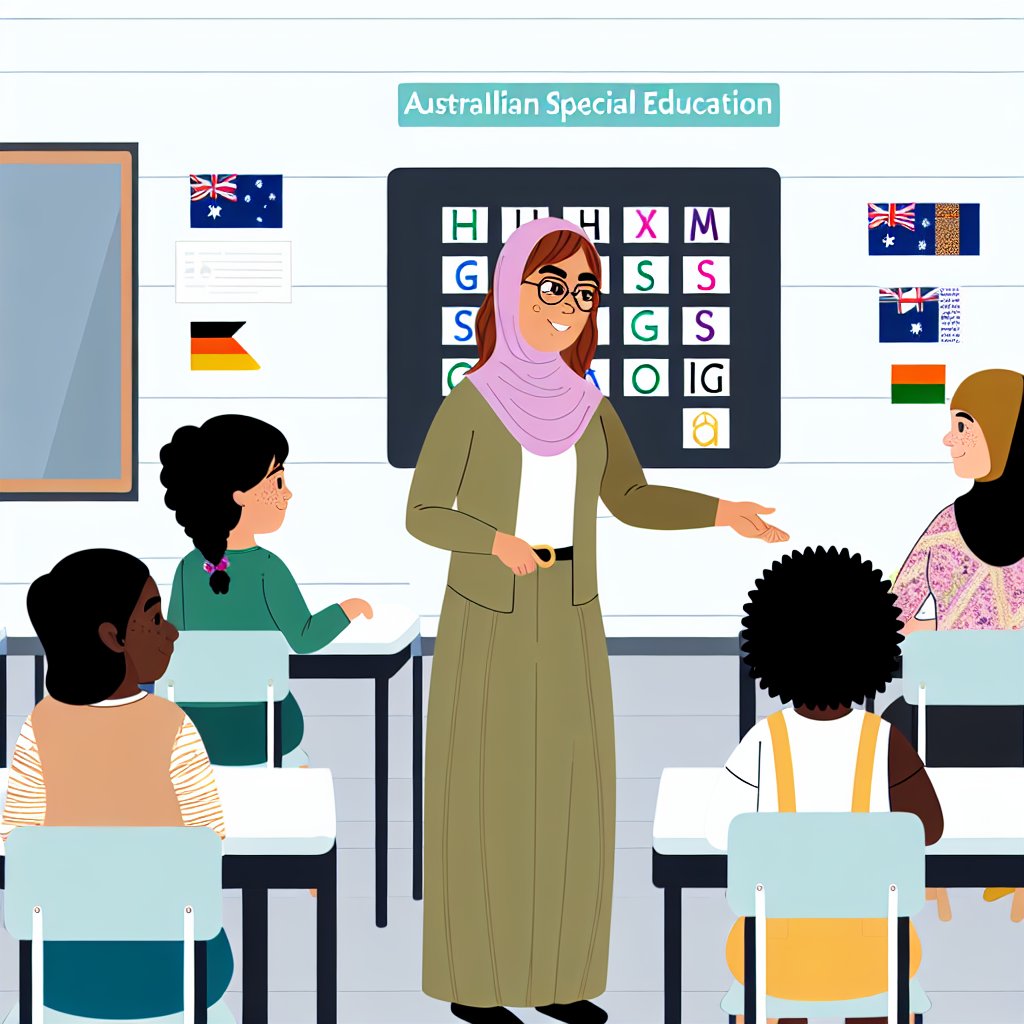
Advocating for Students with Disabilities within the School Community
Promoting Awareness and Understanding
Special education teachers raise awareness about the unique needs of students with disabilities.
They educate staff and peers to foster an inclusive environment.
They organize workshops and training sessions to enhance understanding.
These efforts help reduce stigma and create empathy across the school.
Collaborating with School Staff and Administration
Special education teachers work closely with general education teachers to ensure proper support.
They communicate students’ needs effectively to principals and counselors.
Together, they develop strategies that promote student success.
In addition, these teachers advocate for appropriate resources and accommodations.
Engaging Families as Partners
Special education teachers build strong relationships with students’ families.
They keep families informed about progress and challenges.
Open communication encourages families to participate actively in decision-making.
This partnership strengthens advocacy efforts within the broader school community.
Influencing School Policies and Practices
Special education teachers contribute to developing inclusive school policies.
They recommend changes that promote accessibility and fairness.
Through committees and councils, they voice concerns for students with disabilities.
Ultimately, they help shape a supportive learning environment for all students.
Empowering Students to Self-Advocate
Special education teachers encourage students to express their needs confidently.
They teach self-advocacy skills during classroom and individual activities.
Students learn how to navigate school systems and request support.
This empowerment fosters independence and lifelong advocacy abilities.
Assessing Student Progress and Tailoring Interventions Accordingly
Continuous Monitoring of Student Development
Special education teachers regularly monitor each student's progress.
They collect data through observations, tests, and classroom activities.
This data helps identify the strengths and challenges students face.
Teachers like Emily Lawson use assessments to ensure learning goals remain relevant.
Ongoing monitoring allows timely adjustments to teaching strategies.
Using Data to Inform Instructional Strategies
Data analysis guides educators in customizing lesson plans.
For example, Michael Rivera adapts reading exercises based on students' comprehension levels.
By interpreting assessment results, teachers can target areas needing improvement.
Additionally, progress reports support communication with parents and specialists.
This collaboration enhances intervention effectiveness in inclusive environments.
Designing and Adjusting Tailored Interventions
Teachers develop individualized approaches to meet diverse learning needs.
Interventions may include visual aids, technology tools, or modified assignments.
For instance, Sarah Mitchell incorporates multi-sensory activities for students with dyslexia.
Regular evaluation ensures these interventions remain impactful and relevant.
Adjustments happen promptly when progress plateaus or challenges evolve.
Collaborative Approach to Student Success
Special educators work closely with general educators and specialists.
They share insights to refine intervention techniques collaboratively.
For example, Emma Carlson coordinates with occupational therapists for motor skills support.
This team effort fosters a supportive learning environment for every student.
Ultimately, tailored interventions promote academic and social growth effectively.
Building a Supportive and Positive Classroom Environment
Creating a Welcoming Atmosphere
Special education teachers foster a welcoming classroom atmosphere for all students.
They greet each student with warmth and respect every day.
This approach encourages students to feel safe and valued.
Moreover, teachers set clear expectations for kindness and inclusion.
They use positive reinforcement to promote respectful behavior consistently.
Promoting Collaboration Among Students
Teachers encourage students to work together on group activities.
This practice builds social skills and cooperation among peers.
Furthermore, collaborative tasks allow students to learn from each other’s strengths.
Special educators model effective communication to guide peer interactions.
They also facilitate discussions that include every student’s voice.
Individualizing Support to Meet Diverse Needs
Special education teachers assess each learner’s unique abilities and challenges.
They tailor instructional strategies to suit individual needs effectively.
Additionally, teachers implement accommodations that help students access the curriculum.
They adjust materials and pacing to ensure all students can succeed.
Consistent progress monitoring helps teachers refine their support continuously.
Encouraging Positive Self-Expression
Teachers create opportunities for students to express their feelings safely.
They use tools like visual aids and social stories to support communication.
These methods help students build confidence in sharing ideas.
Moreover, educators celebrate diverse talents and achievements daily.
This recognition fosters a positive self-image and motivation to learn.
Collaborating with Families and Staff
Special education teachers maintain open communication with families.
They share progress updates and welcome input from parents or guardians.
Teachers also work closely with general education staff to align support.
This teamwork ensures consistency in students’ experiences across settings.
Together, they create a unified and nurturing learning community.
Providing Professional Development and Training to Staff on Inclusive Practices
Importance of Ongoing Training in Inclusive Classrooms
Special education teachers actively support ongoing professional development.
They recognize that inclusive classrooms require continuous learning.
Moreover, training improves educators’ ability to address diverse student needs.
Consequently, teachers become more confident in using inclusive strategies.
This leads to a more supportive and effective learning environment for all students.
Designing Effective Professional Development Programs
Special education teachers collaborate with instructional coaches to design training sessions.
These programs focus on practical inclusive teaching methods and accommodations.
They also incorporate up-to-date research on best practices for differentiation and accessibility.
Furthermore, sessions emphasize hands-on activities and real-world classroom applications.
As a result, general educators gain valuable skills they can immediately apply.
Promoting Collaboration Among Staff
Training sessions encourage collaboration between special education and general education teachers.
Together, they share insights about students’ strengths and support needs.
This collaboration fosters mutual understanding and team teaching strategies.
Additionally, it builds a school culture that values inclusion and respect.
Therefore, students receive consistent and coordinated support across all classrooms.
Offering Targeted Workshops and Resources
Special education teachers organize workshops on specific topics like behavior management.
They provide resources such as visual aids, assistive technology tips, and lesson modifications.
These resources empower staff to implement accommodations confidently.
Workshops often include case studies and role-playing to enhance engagement.
Thus, teachers leave sessions better prepared to meet diverse learner needs.
Monitoring and Supporting Implementation
After training, special education teachers observe classrooms to offer feedback.
They identify successes and areas requiring further support or adjustment.
Additionally, they facilitate peer mentoring and coaching for sustained growth.
By doing so, they ensure inclusive practices become embedded in daily routines.
Ultimately, this improves student outcomes and fosters a positive school community.
Additional Resources
Primary and secondary pre-service teachers’ attitudes towards …
A scoping review of perceived support needs of teachers for …