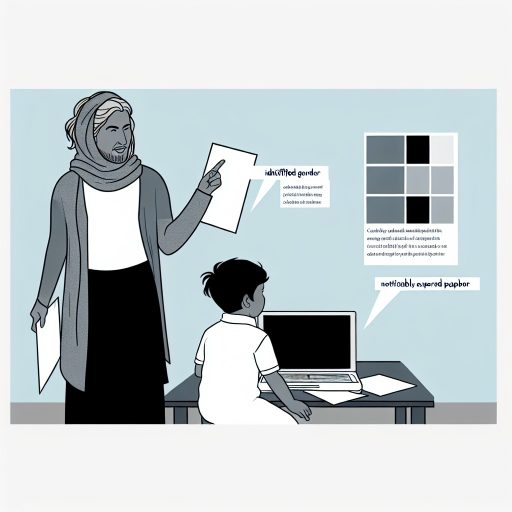




Overview of the Role and Responsibilities of School Counselors
Defining the Role of School Counselors
School counselors serve as essential supporters of student success.
They guide students through academic, social, and emotional challenges.
Additionally, counselors connect families, teachers, and administrators.
Through collaboration, they create an inclusive and supportive school environment.
Supporting Academic Achievement
Counselors assist students in setting realistic academic goals.
They help develop individualized plans for course selection and career exploration.
Moreover, counselors monitor progress and intervene when students struggle.
They provide resources to improve study skills and time management.
Promoting Social and Emotional Development
Counselors offer a safe space for students to express their feelings.
They teach coping strategies that enhance emotional resilience.
Furthermore, they address bullying and peer relationship issues.
Counselors also facilitate social skills groups and conflict resolution sessions.
Providing Crisis Intervention and Advocacy
School counselors respond promptly in emergencies affecting students.
They advocate for students faced with mental health or family difficulties.
Counselors connect students with external support organizations when needed.
Your Personalized Career Strategy
Unlock your potential with tailored career consulting. Get clear, actionable steps designed for your success. Start now!
Get StartedThis ensures students receive comprehensive care beyond the school setting.
Collaborating with Stakeholders
Counselors communicate regularly with teachers to identify student needs.
They engage parents in supporting their child’s educational journey.
Furthermore, they participate in school-wide initiatives and policy development.
This teamwork strengthens the overall effectiveness of student support services.
How School Counselors Support Students' Academic Achievement
Individualized Academic Planning
School counselors collaborate with students to create personalized academic plans.
They assess students' strengths, interests, and educational goals.
Consequently, counselors help students select appropriate courses and extracurricular activities.
This targeted approach promotes student engagement and academic growth.
Monitoring and Advocating for Student Progress
Counselors regularly track students' grades and academic performance.
When concerns arise, they intervene promptly to offer extra support.
They communicate with teachers to understand specific student needs better.
Furthermore, counselors advocate for accommodations when necessary to ensure success.
Supporting Study Skills and Time Management
School counselors provide workshops and one-on-one coaching on effective study techniques.
Stand Out with a Resume That Gets Results
Your career is worth more than a generic template. Let us craft a resume and cover letter that showcase your unique strengths and help you secure that dream job.
Get HiredThey teach students how to manage their time and set achievable goals.
By building these skills, counselors empower students to become independent learners.
Ultimately, this guidance reduces academic stress and boosts confidence.
Connecting Students with Resources and Opportunities
Counselors link students to tutoring programs and academic enrichment activities.
They also facilitate access to college and career readiness resources.
Additionally, counselors inform families about scholarships and financial aid options.
These connections expand students' learning opportunities and support future planning.
Collaboration with Teachers and Families
School counselors work closely with teachers to identify and support struggling students.
They maintain open communication channels with families about academic progress.
Together, they develop strategies to overcome academic challenges.
This teamwork creates a strong support network around each student.
The Role of School Counselors in Social and Emotional Development
Supporting Emotional Well-Being
School counselors actively promote students’ emotional health every day.
They create safe spaces for students to express their feelings freely.
Moreover, counselors help students recognize and manage their emotions effectively.
Transform Your LinkedIn for Maximum Impact
Elevate your professional brand with a LinkedIn profile that attracts recruiters, showcases your expertise, and maximizes opportunities. Stand out in your industry with a profile built for success.
Boost ProfileThis guidance reduces anxiety and stress among students.
As a result, students feel more confident in facing challenges.
Building Social Skills
Counselors teach students important social skills for positive interactions.
They organize group activities that encourage teamwork and communication.
Furthermore, counselors coach students on conflict resolution techniques.
These skills foster respect and empathy within the school community.
In turn, students build better relationships with peers and teachers.
Providing Individualized Support
School counselors assess each student’s unique social and emotional needs.
They develop personalized plans to address those needs effectively.
For instance, they may offer one-on-one counseling sessions.
These sessions help students cope with personal or family difficulties.
Consequently, students gain tools to overcome obstacles and stay focused.
Facilitating Workshops and Programs
Counselors lead workshops on topics like stress management and self-awareness.
They collaborate with teachers, parents, and community experts.
Moreover, counselors implement programs that promote resilience and positive behavior.
These initiatives empower students to make healthy choices.
Such programs enhance the school’s supportive environment.
Find Out More: The Unique Role of Montessori Teachers in Early Childhood Education
Ways School Counselors Assist with Career Planning and Post-Secondary Transitions
Personalized Career Guidance
School counselors work closely with students to explore their interests and strengths.
They help students identify careers that align with their skills and passions.
Counselors provide assessments to highlight suitable career paths.
By understanding each student’s goals, they tailor advice that fits individual needs.
They also connect students with professionals like Marcus Ellis from Innovatech Solutions for real-world insights.
Informing About Educational Opportunities
Counselors stay updated on various colleges, trade schools, and apprenticeship programs.
They share this information to expand students’ options beyond traditional routes.
For example, they guide students interested in technical fields towards programs like the Northside Technical Institute.
Additionally, they organize college fairs featuring institutions like Greenfield University for direct engagement.
This proactive approach ensures students make informed decisions about their education.
Assisting with Application Processes
Counselors help students complete college and scholarship applications accurately.
They review essays and resumes to strengthen students’ chances of acceptance.
Additionally, they advise on financial aid packages and deadlines.
For instance, counselor Sarah Martinez frequently collaborates with the Baxter Foundation to support scholarship opportunities.
They also prepare students for interviews and entrance exams.
Coordinating Post-Secondary Transition Support
Counselors facilitate workshops on skills needed for college or career success.
They address challenges such as time management and adapting to new environments.
Furthermore, they connect graduates with alumni mentors, like former student Aiden Campbell, for ongoing advice.
They also maintain communication with families to support students’ transition phases.
Through continuous guidance, counselors ease the path from high school to adulthood.
See Related Content: The Role of Language Teachers in Connecting Australia to the World
Strategies Used by Counselors to Identify and Address Student Mental Health Issues
Early Identification Through Observations and Screenings
School counselors actively observe students’ behavior during classes and social interactions.
They note changes in mood, withdrawal, or sudden drops in academic performance.
Moreover, counselors administer mental health screenings to assess risk factors.
These screenings often include questionnaires and rating scales tailored for adolescents.
Therefore, counselors can detect early warning signs before issues escalate.
Building Trusting Relationships with Students
Counselors establish a safe and supportive environment for open conversations.
They use active listening skills to make students feel heard and valued.
Consequently, students become more willing to share their struggles.
Through regular one-on-one meetings, counselors monitor students’ emotional wellbeing.
This ongoing rapport helps counselors identify mental health concerns promptly.
Collaborating with Teachers and Staff
Counselors maintain strong communication with teachers to gather insights.
Teachers often notice behavioral or academic changes first.
By sharing concerns, staff work collectively to support the student.
Counselors guide teachers on how to approach sensitive topics and provide accommodations.
This teamwork ensures a comprehensive approach to student mental health.
Engaging Families in the Mental Health Process
Counselors reach out to families to discuss observations and concerns.
They educate parents about mental health resources and effective support strategies.
Family involvement ensures consistency between home and school environments.
Counselors also connect families to community mental health professionals when necessary.
This collaboration strengthens the overall support system for students.
Providing Intervention and Referral Services
When mental health issues arise, counselors offer immediate interventions tailored to each case.
These interventions include individual counseling, crisis management, and skill-building sessions.
In addition, counselors refer students to specialized therapists or clinics as needed.
They follow-up regularly to track progress and adjust support plans accordingly.
Thus, counselors play a crucial role in guiding students toward recovery and resilience.
Delve into the Subject: The Growing Demand for Online Educators in Australia
Collaboration between School Counselors, Teachers, and Parents for Student Success
Fostering Strong Communication Channels
Effective communication lies at the heart of successful collaboration.
School counselors regularly connect with teachers to discuss student progress.
They also maintain open lines with parents to address concerns promptly.
Moreover, they use various platforms such as emails, meetings, and phone calls.
These efforts ensure everyone remains informed and engaged in the student’s journey.
Coordinated Support for Academic and Emotional Growth
Counselors work hand-in-hand with teachers to identify students’ academic needs.
They develop tailored strategies to support learning challenges and strengths.
Additionally, counselors collaborate with parents to reinforce positive habits at home.
Together, they form a network that nurtures both emotional and educational development.
This teamwork creates a consistent approach to help students thrive in school.
Joint Problem-Solving During Challenges
When students face difficulties, counselors facilitate problem-solving discussions.
These involve teachers and parents to gather multiple perspectives.
By sharing observations, they pinpoint root causes and brainstorm solutions.
This collective effort leads to effective intervention plans designed for each student.
Consequently, students receive the targeted support needed to overcome obstacles.
Empowering Students Through Unified Efforts
The collaboration culminates in empowering students to take ownership of their success.
Counselors encourage self-advocacy skills with guidance from teachers and parents.
They coach students to set realistic goals and develop resilience.
Besides, families and educators celebrate milestones together.
This united front inspires students to remain motivated and confident in their abilities.
Key Practices That Enhance Collaboration
- Regular multidisciplinary meetings to align on student goals
- Sharing resources and strategies tailored to individual needs
- Encouraging parental involvement through workshops and newsletters
- Promptly addressing concerns with transparent communication
- Using data-driven approaches to monitor progress and adjust plans
Uncover the Details: How Curriculum Developers Shape the Future of Australian Education

The Process of Crisis Intervention and Conflict Resolution by School Counselors
Recognizing and Responding to a Crisis
School counselors first identify signs of distress in students during daily interactions.
They promptly assess the severity of the crisis to determine immediate action.
For example, sudden behavioral changes or verbal expressions of distress raise red flags.
Next, counselors create a safe environment to foster open communication.
They actively listen to students’ concerns without judgment or interruption.
Furthermore, counselors prioritize students’ emotional and physical safety throughout the process.
Providing Immediate Support and Stabilization
Counselors offer calming techniques to help students regulate overwhelming emotions.
They may use deep breathing exercises or guided imagery to reduce anxiety quickly.
Moreover, counselors collaborate with teachers and staff to monitor students’ well-being during crises.
When necessary, they involve parents or guardians to ensure appropriate support outside school.
They also connect students to community mental health resources for professional care.
Facilitating Conflict Resolution
School counselors mediate conflicts by encouraging respectful dialogue between involved parties.
They help students express feelings and perspectives honestly and constructively.
Additionally, counselors guide students toward identifying common goals and shared interests.
They teach problem-solving and negotiation skills to promote mutual understanding.
Counselors may organize group sessions to address issues collaboratively when appropriate.
Developing Long-Term Coping Strategies
Beyond immediate intervention, counselors assist students in building emotional resilience.
They introduce stress management techniques such as journaling or mindfulness practices.
Furthermore, counselors help students set realistic goals for handling future conflicts.
Consistent follow-up meetings ensure students apply new skills effectively.
Ultimately, counselors empower students to take ownership of their emotional health.
Use of Data and Assessments to Tailor Support
Collecting Relevant Student Data
School counselors collect various data to understand student needs accurately.
They review academic records, attendance, and behavioral reports closely.
Additionally, counselors gather information from teachers and parents regularly.
This data forms the foundation for identifying each student’s unique challenges.
Utilizing Assessments for Informed Decisions
Counselors employ standardized and informal assessments to evaluate student strengths.
For instance, they use career interest inventories to guide future planning thoughtfully.
Furthermore, social-emotional learning assessments help identify areas for emotional support.
Therefore, these tools allow counselors to develop personalized intervention plans effectively.
Analyzing Trends to Enhance Support Strategies
Data analysis helps counselors spot trends and recurring issues within the student body.
By examining group performance, they can allocate resources more strategically.
This approach improves programs such as tutoring, mentoring, and mental health services.
Consequently, counselors adjust their support to meet evolving student requirements efficiently.
Collaborating to Implement Tailored Support
After analyzing data, counselors collaborate with teachers and administrators promptly.
Together, they design targeted plans addressing academic and emotional needs.
Counselors also involve families to ensure consistent support beyond school hours.
Ultimately, this teamwork fosters a nurturing environment for all students’ success.
Professional Qualifications Required for School Counselors
Educational Background
School counselors must earn at least a master’s degree in school counseling or a related field.
Most universities offer specialized programs focusing on counseling techniques and student development.
Moreover, coursework emphasizes topics such as psychology, career counseling, and guidance strategies.
This comprehensive education prepares counselors to address diverse student needs.
Certification and Licensure
After completing their education, candidates must acquire state certification or licensure.
This process includes passing a standardized exam on counseling principles and ethics.
Additionally, some states require school counselors to hold a teaching license before certification.
Certification standards vary; therefore, applicants should check their state’s specific requirements.
Continual Professional Development
School counselors must engage in ongoing professional training to maintain their licensure.
They attend workshops, seminars, or courses to stay current with counseling best practices.
For example, training may cover mental health awareness, crisis intervention, or new counseling techniques.
This commitment improves their effectiveness in supporting student success.
Training and Practical Experience
Internships and Practicum
Practical experience is crucial for school counselors during their training programs.
Internships and practicum placements provide hands-on opportunities to work with students.
These experiences occur under the supervision of licensed professionals within school settings.
Such training helps counselors learn counseling methods, data collection, and case management.
Supervised School Counseling Practice
Many training programs require a supervised internship lasting several hundred hours.
This experience allows future counselors to develop skills in real-world environments.
Supervisors offer guidance and feedback to refine the counselor’s approach and techniques.
Consequently, trainees become better prepared to meet the demands of their role.
Skills Developed Through Training
Communication and Interpersonal Skills
School counselors develop strong communication skills during their training.
These skills help them build trust and rapport with students and families.
Furthermore, counselors learn to listen actively and convey empathy clearly and effectively.
Such abilities are essential in supporting students’ emotional and academic growth.
Problem-Solving and Advocacy
Training also enhances counselors’ problem-solving and critical thinking skills.
They learn techniques to identify issues and design appropriate intervention plans.
Additionally, school counselors receive training to advocate for students’ academic and social needs.
This ensures their role supports student success inside and outside of the classroom.
Challenges Faced by School Counselors and How They Overcome Them
Managing High Caseloads
School counselors often manage caseloads that exceed recommended limits.
This situation pressures counselors to prioritize urgent cases efficiently.
Therefore, they utilize time management tools to stay organized throughout the day.
Additionally, counselors collaborate with teachers and staff to distribute support efforts.
They also implement group counseling sessions to reach more students at once.
Addressing Diverse Student Needs
Students bring diverse backgrounds and challenges to the counseling office.
Counselors must tailor their approach to meet individual student needs effectively.
To achieve this, they continuously update their cultural competence through professional development.
Moreover, counselors use data from assessments to inform personalized support plans.
This practice ensures intervention strategies address academic, emotional, and social concerns.
Handling Emotional and Behavioral Issues
School counselors regularly support students facing emotional and behavioral challenges.
They provide a safe space for students to express themselves openly and honestly.
In addition, counselors teach coping skills that students can use in stressful situations.
When necessary, they refer students to external mental health professionals for specialized care.
This collaborative approach improves students’ overall well-being and academic success.
Navigating Limited Resources
Many schools lack sufficient funding and staff to support counseling programs fully.
Counselors respond by maximizing community partnerships to expand available resources.
They also advocate for increased funding by demonstrating counseling program effectiveness.
Furthermore, counselors leverage technology to facilitate virtual counseling and follow-up.
This strategy helps maintain consistent support despite resource constraints.
Maintaining Professional Boundaries and Self-Care
Counselors face emotional strain when working with students in crisis situations.
To maintain boundaries, they follow ethical guidelines and seek regular supervision.
They also practice self-care habits to prevent burnout and sustain long-term effectiveness.
Colleagues often form support groups to share experiences and coping strategies.
Together, these efforts preserve counselors’ mental health and professional resilience.