




Everyday Roles of School Psychologists in Australian Schools
School psychologists support student learning and wellbeing across daily school routines.
They collaborate with teachers and families to address emerging needs promptly.
Moreover, they balance individual interventions with whole-school initiatives to improve outcomes.
Overview of Daily Contributions
They provide consultation on effective classroom practices and adjustments.
Additionally, practitioners deliver short-term interventions for emotional and behavioural concerns.
Practitioners also train staff in evidence based strategies to support students.
Assessments
Assessments help identify student strengths and areas requiring support.
Psychologists gather data from multiple sources to build learning profiles.
Consequently, assessment results guide targeted learning and wellbeing plans.
Purpose of Assessments
Assessments clarify the nature of academic and developmental needs.
They inform tailored interventions that align with student strengths.
Teachers and families use findings to prioritise instructional adjustments.
Assessment Process
Psychologists collect information from students, teachers, and families.
Next, they integrate observations, test data, and reports to interpret needs.
They then summarise findings to clarify priorities for support planning.
Your Personalized Career Strategy
Unlock your potential with tailored career consulting. Get clear, actionable steps designed for your success. Start now!
Get StartedFocus Areas
Assessments focus on academic progress and individual learning profiles.
They also examine social and emotional functioning within school contexts.
Furthermore, psychologists review behavioural patterns that affect school engagement.
- Learning profiles and academic progress.
- Social and emotional functioning.
- Behavioural patterns that affect school engagement.
Collaborative Use of Findings
School psychologists share assessment findings to guide classroom strategies.
Teachers then align approaches with families to support student learning.
This collaboration promotes consistent interventions across school and home settings.
Counselling
Counselling addresses emotional, social, and adjustment concerns for students.
Sessions aim to build coping skills and foster student resilience.
Practitioners adapt approaches to match developmental needs and preferences.
Role in Direct Support
Counselling offers individual support for emotional and social needs.
It also supports students through transitions and adjustment challenges.
Therapy focuses on practical skills that students can use in class.
Settings and Approaches
Psychologists deliver counselling in individual and small group formats at school.
They tailor methods to developmental stages and student backgrounds.
Stand Out with a Resume That Gets Results
Your career is worth more than a generic template. Let us craft a resume and cover letter that showcase your unique strengths and help you secure that dream job.
Get HiredMoreover, they modify pace and activities based on student response.
Working with Others
They coordinate with teachers to reinforce therapeutic goals in class.
Families receive guidance to maintain consistent strategies at home.
Consequently, students benefit from aligned support across environments.
Case Management
Case management ensures continuity of support across services and settings.
Psychologists set clear goals and review progress with multidisciplinary teams.
They document interventions and plan next steps collaboratively.
Coordinating Supports
Psychologists coordinate supports across schools and external service providers.
They prioritise student goals and allocate resources where they matter most.
Team meetings clarify responsibilities and timelines for intervention actions.
Communication and Documentation
They document plans and interventions to track outcomes clearly.
Staff and families access records to review progress and agreed actions.
Psychologists facilitate meetings that include teachers, families, and external providers.
Monitoring and Adjustment
Psychologists regularly review cases to adjust supports as needs change.
Transform Your LinkedIn for Maximum Impact
Elevate your professional brand with a LinkedIn profile that attracts recruiters, showcases your expertise, and maximizes opportunities. Stand out in your industry with a profile built for success.
Boost ProfileThey use progress data to refine interventions and goals.
As a result, students receive responsive and timely supports.
Crisis Response
Psychologists provide rapid support when urgent wellbeing concerns arise.
They act quickly to stabilise situations and safeguard student welfare.
Staff consult them for guidance during critical incidents at school.
Immediate School Based Actions
They offer immediate support to students in distress at school.
Practitioners implement safety measures while they assess risk levels.
They then coordinate short term interventions to restore calm.
Team Coordination
Psychologists work with school leaders and staff to manage urgent responses.
They liaise with families to communicate needs and planned actions.
External agencies receive referrals when additional supports are necessary.
Follow Up and Recovery
Psychologists arrange follow up supports to address ongoing recovery needs.
They monitor student reintegration to restore learning continuity.
Thus, students receive continued care after crisis incidents.
Supporting Student Mental Health and Wellbeing
This section complements the everyday roles described earlier.
Next, it outlines practices that support student mental health and wellbeing.
It covers early identification, therapeutic interventions, resilience, collaboration, and monitoring.
Early Identification
Early identification catches concerns before they escalate.
Therefore, school psychologists monitor changes in mood and behaviour.
Additionally, they record patterns that affect learning and social participation.
Moreover, they consult with staff to build a complete picture.
Consequently, timely steps can connect students to appropriate supports.
Therapeutic Interventions
Therapeutic interventions address emotional and behavioural challenges in students.
They use evidence-informed strategies that suit individual needs.
Furthermore, interventions adjust as students respond and develop.
Additionally, collaboration with caregivers supports consistency across contexts.
Resilience-Building
Resilience-building strengthens students’ capacity to cope with challenges.
Moreover, it focuses on skills such as problem-solving and emotional regulation.
They embed practice opportunities within classroom and extracurricular activities.
Therefore, students apply skills across different settings for lasting benefit.
- Emotional awareness and management.
- Flexible thinking and problem-solving.
- Positive relationships and help-seeking.
Collaborative Approaches
Collaboration with families improves consistency of support for students.
Additionally, partnerships with teachers create predictable and safe classrooms.
Moreover, engagement with community services extends available supports.
Consequently, a shared approach promotes coherent wellbeing strategies schoolwide.
Implementation and Monitoring
Implementation plans specify roles, timelines, and review points.
Ongoing monitoring tracks student progress and informs adaptations.
Furthermore, teams use observations and feedback to refine supports.
Ultimately, regular review sustains responsive and relevant wellbeing work.
Enhancing Learning Outcomes
School psychologists focus on improving student learning outcomes.
They coordinate assessments, plans, and interventions.
Teams monitor progress and refine supports regularly.
Learning and Behavioural Assessments
Psychologists use targeted assessments to guide decisions.
Assessments identify specific learning and behavioural needs.
Teams interpret data to inform instructional supports.
Individualized Education Plans
Psychologists collaborate with teams to develop individualized plans.
Plans outline clear goals, accommodations, and progress indicators.
They assign roles, set strategies, and schedule reviews.
- Specific academic and behavioural goals tailored to student needs.
- Classroom strategies and environmental adjustments to support learning.
- Roles and responsibilities for school staff and families.
- Regular review timelines and progress measures.
Intervention Strategies
Psychologists design interventions that target academic skills and classroom behaviours.
They recommend evidence informed practices that suit individual students.
Interventions may focus on skill building, instructional adjustments, or supports.
- Skill building sessions to strengthen foundational academic abilities.
- Classroom modifications to reduce barriers to participation.
- Behavioural strategies that reinforce positive classroom conduct.
- Progress monitoring procedures to track intervention effects.
Collaboration and Monitoring
Psychologists coordinate with teachers, families, and students to implement plans.
They establish regular data collection to track student progress.
Teams then use progress information to refine goals and supports.
Discover More: How Vocational Trainers Shape Australia’s Skilled Workforce
Collaborating with Teachers, Families and Allied Professionals to Create Coordinated Support Systems
School psychologists collaborate with teachers, families and allied professionals.
They coordinate supports to enhance consistency across home and school.
They align goals, roles and communication for coherent plans.
Establishing Shared Goals and Roles
School psychologists clarify shared goals with staff and families.
Moreover they define distinct responsibilities for each team member.
They promote role transparency to reduce duplication and gaps.
Communication Practices and Information Sharing
They establish regular communication channels across school and home.
Additionally they set clear expectations for updates and feedback.
They respect confidentiality and consent in all information exchanges.
Structured Team Processes
They schedule collaborative meetings with agreed agendas and objectives.
Moreover they use defined pathways for referrals and follow up.
- They document decisions and action steps for shared accountability.
- They assign timelines for tasks and review progress regularly.
- They involve allied professionals when specialised input proves necessary.
Engaging Families as Partners
They invite families to contribute priorities and perspectives actively.
Furthermore they offer flexible participation options to increase engagement.
They clarify how family input informs coordinated plans.
Building Capacity Across Professionals
They facilitate joint professional learning opportunities for staff and partners.
Additionally they share practical strategies that teams can implement consistently.
They support reflective practice and problem solving among colleagues.
Monitoring, Review and Continuous Improvement
They set agreed indicators to monitor coordinated supports over time.
Furthermore they schedule periodic reviews to adapt plans and approaches.
Consequently teams refine practices based on collective reflection and learning.
Benefits of Coordinated Support Systems
Coordinated systems improve consistency in responses across settings.
They promote efficient use of professional expertise and time.
Therefore collaboration strengthens relationships among school staff, families and partners.
Explore Further: How Instructional Designers Revolutionize Australian Learning Experiences
Designing and Delivering Whole-School Prevention Programs
Programs begin with clear aims for social-emotional learning and wellbeing.
Align those aims with school values and policies to ensure coherent practice.
Define measurable behaviours and expected outcomes for students to track progress.
Program Foundations
Next, align those aims with school values and policies for consistency.
Furthermore, define measurable behaviours and expected outcomes for students.
Core Components
- Explicit social-emotional learning lessons build self-awareness and regulation skills.
- Bullying prevention includes clear policies and consistent adult responses.
- Whole-school wellbeing curricula promote positive relationships and connectedness.
- Positive behaviour expectations and visual cues support daily practice.
- Peer-led initiatives and student leadership amplify student voice.
Planning and Implementation
Create a realistic timeline for piloting and rolling out programs.
Pilot components to refine content and delivery methods for better fit.
Schedule regular lessons and school-wide activities to maintain consistency.
Adapt content to fit cultural and local contexts when needed.
Capacity Building and Staff Support
Provide training that focuses on practical classroom strategies.
Offer coaching and mentoring for sustained skill development.
Create brief resources for staff reference during lessons.
Student and Community Engagement
Engage students in program design to increase relevance and ownership.
Invite community input to strengthen program support and resources.
Communicate program goals clearly to families and carers.
Monitoring Evaluation and Sustainability
Monitor fidelity to ensure consistent program delivery across classrooms.
Collect feedback from staff and students for continuous improvement.
Use simple indicators to track program reach and engagement.
Plan for long-term sustainability through staff capacity and policy alignment.
Uncover the Details: The Life of an Education Policy Advisor: Influencing National Standards
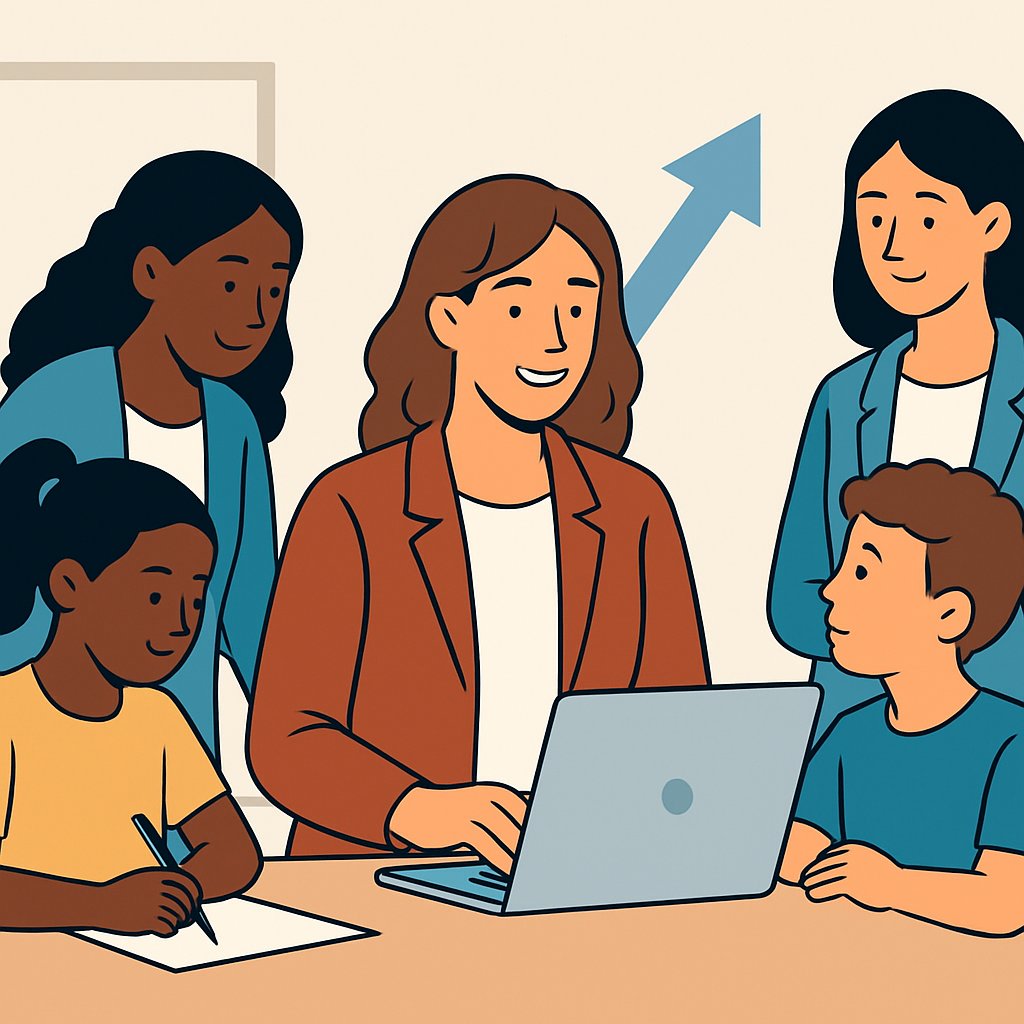
Using Data and Evidence-Based Practice to Evaluate Interventions and Guide School Decision-Making
This section explains how psychologists use data to evaluate interventions.
It outlines frameworks, practice selection, monitoring, and ethics.
Teams make decisions using clear evidence and regular reviews.
Building a Data-Informed Evaluation Framework
School psychologists define clear goals for each intervention.
Next, measurable indicators are specified to track progress.
Baseline data is collected before interventions begin.
Timelines are set for regular review and adjustment.
- Goals and expected outcomes
- Indicators and measurement methods
- Baseline and follow-up data collection
- Fidelity monitoring during implementation
- Review schedule and decision rules
Selecting and Applying Evidence-Based Practices
Psychologists evaluate published evidence before recommending practices.
Then they consider school context and student needs.
Next, they pilot interventions on a small scale.
During pilots, they monitor implementation fidelity.
Monitoring, Measurement, and Continuous Improvement
Psychologists use regular measurement to detect changes early.
Consequently, interventions are adjusted based on data trends.
They employ brief tools to track progress over time.
Moreover, outcomes are documented to inform future decisions.
Ethical Use of Data and Engaging Stakeholders
Psychologists protect student information and respect consent.
They explain data purposes to families and staff.
Teachers and leaders are involved in interpreting findings.
They ensure transparency in reporting and recommendations.
- Teachers provide classroom context and observations
- Families share perspectives and relevant history
- School leaders align findings with school priorities
- Allied professionals support interpretation and planning
Reporting and Informing School Decisions
Psychologists present clear summaries for decision makers.
Consequently, data guides resource allocation and priorities.
Teams decide whether to scale, modify, or stop programs.
Finally, follow up evaluations are scheduled to measure impact.
Explore Further: How Special Education Teachers Make a Difference in Inclusive Classrooms
Career Pathway and Professional Preparation
This content describes pathways for professional preparation.
It covers training, supervised practice, registration, and career development.
The sections outline skills, wellbeing, and role diversification.
Entry Routes and Foundational Backgrounds
Many individuals start with an undergraduate background in psychology or related fields.
Additionally, candidates often combine academic study with volunteer or community experience.
Furthermore, diverse life experiences can strengthen a candidacy for training programs.
Structured Training and Academic Components
Training programs blend theoretical coursework and applied learning components.
Moreover, programs typically emphasize ethics, cultural responsiveness, and developmental theory.
Consequently, trainees develop critical thinking and research literacy during coursework.
Practical Placements and Supervised Experience
Practical placements provide hands-on exposure in educational contexts.
Additionally, supervised experience allows trainees to refine professional judgment and skills.
Therefore, mentorship and feedback prove essential during early stages of practice.
Registration and Professional Standards
Practitioners must meet registration or credentialing requirements set by relevant authorities.
Moreover, adherence to a professional code of conduct ensures safe practice.
Consequently, supervised practice and documented competencies often support registration applications.
Continuing Professional Development and Lifelong Learning
Experienced practitioners engage in ongoing professional development activities.
Additionally, they participate in workshops, peer learning, and reflective practice.
Furthermore, continuing education helps professionals maintain competence and adapt to change.
Career Progression and Role Diversification
Practitioners can pursue leadership, consultancy, or specialist pathways over time.
Additionally, some professionals shift into policy, research, or higher education roles.
Moreover, career changes often follow targeted upskilling or further qualifications.
Building Core Professional Skills
This section outlines essential professional skills.
These skills support effective practice across school settings.
The list below highlights communication, collaboration, cultural competence, analysis, and leadership.
- Communication skills support clear interactions with colleagues and stakeholders.
- Collaborative skills enable effective teamwork across school communities.
- Cultural competence ensures responsive practice for diverse populations.
- Analytical skills support interpretation of data and service planning.
- Leadership skills prepare professionals to guide programs and influence practice.
Maintaining Professional Wellbeing and Support
Practitioners should access supervision and peer support to sustain wellbeing.
Additionally, reflective routines help professionals manage workload and ethical tensions.
Therefore, career longevity often depends on proactive self-care and professional networks.
Advocacy and Systems Change
Advocacy and systems change guide inclusive school practices.
School psychologists promote policies that support inclusion.
They connect practice, policy, and community engagement.
Influencing School Policy
They influence decisions that shape school procedures.
They advise leaders and school boards on student needs.
Consequently, policies can better reflect classroom realities.
Engagement with Decision Makers
School psychologists bring practitioner perspectives to policy discussions.
They communicate student needs to school leaders and boards.
They highlight practical implications observed in schools.
Policy Development Processes
They review existing policies to find barriers to equitable practice.
They identify procedural obstacles that limit inclusive teaching.
They recommend practical adjustments that support inclusive learning environments.
Promoting Inclusive Practices
Promoting inclusive practices remains central to systemic advocacy.
Psychologists advise on universal design and culturally responsive approaches.
They aim to reduce barriers and increase participation.
Universal Design and Accessibility
School psychologists advocate for environments that reduce participation barriers.
They advise on adjustments that benefit diverse learners without stigma.
Therefore, classrooms become more accessible for many students.
Culturally Responsive Approaches
They encourage practices that respect cultural and community contexts.
Such approaches help schools engage families and communities more fully.
Consequently, relationships with families become more meaningful.
Capacity Building and Partnerships
Capacity building strengthens school systems over time.
School psychologists foster partnerships to sustain effective practices.
They connect schools with community supports and professional networks.
Professional Networks
They facilitate connections between practitioners to share systemic solutions.
Practitioners exchange strategies and learn from each other.
Moreover, networks support collaborative problem solving across teams and agencies.
Community Collaboration
They build relationships with families, health services, and community groups.
Those relationships extend supports beyond the school environment.
Therefore, schools gain broader backing for systemic initiatives.
Measuring Long-Term Outcomes
Measuring long term outcomes ensures sustained improvement.
Psychologists define indicators that reflect wellbeing and inclusion over time.
They prioritise tracking pathways rather than isolated performance snapshots.
Indicators of Success
They define meaningful indicators that reflect wellbeing and inclusion over time.
Indicators reflect wellbeing and inclusion across student pathways.
Furthermore, they emphasise tracking pathways rather than isolated snapshots of performance.
Feedback Loops
They promote routines that collect stakeholder feedback regularly.
Feedback informs adjustments to practices and policies.
Consequently, continuous refinement improves outcomes for students and systems.
Strategies for Sustained Systems Change
Sustained systems change requires embedding effective practices into routines.
Successful change relies on committed leaders and shared goals.
Advocacy efforts sustain initiatives over the long term.
Embedding Change
They work to integrate effective practices into school policies and routines.
Integration makes interventions part of daily school operations.
Additionally, they help sustain momentum for long term initiatives.
Advocacy Tactics
They craft clear messages that articulate practical benefits for students and staff.
Clear messaging helps build wider support for proposed changes.
Furthermore, they mobilise allies to create shared commitment across the school community.


