




Overview of the Role and Responsibilities of Emergency Management Officers in Australia
Core Responsibilities
Emergency Management Officers coordinate responses to natural and human-made disasters.
They develop and implement disaster preparedness plans to protect communities.
Additionally, these officers manage communication between agencies during emergencies.
They also conduct risk assessments to identify vulnerabilities in local areas.
Moreover, officers train first responders and community members in emergency procedures.
Coordination and Leadership
These professionals lead multi-agency teams to ensure effective crisis management.
They facilitate resource allocation, prioritizing critical needs during incidents.
Furthermore, officers maintain situational awareness through constant information updates.
They coordinate recovery efforts to help communities rebuild after disasters.
Community Engagement and Education
Emergency Management Officers actively engage with local communities to enhance resilience.
They host workshops and drills to improve public preparedness for emergencies.
Officers also distribute educational materials about hazard awareness and safety measures.
Through partnerships with schools and businesses, they promote readiness across sectors.
Legal and Policy Implementation
These officers ensure compliance with national emergency management legislation.
They contribute to developing policies that strengthen disaster response frameworks.
Your Personalized Career Strategy
Unlock your potential with tailored career consulting. Get clear, actionable steps designed for your success. Start now!
Get StartedOfficers regularly review and update emergency plans according to new regulations.
Their expertise supports government agencies in policy enforcement and evaluation.
How Emergency Management Officers Prepare for Natural Disasters Like Bushfires and Floods
Risk Assessment and Hazard Analysis
Emergency management officers begin by analyzing regional risks and vulnerabilities.
They collect data on past bushfires and floods to predict potential threats.
Furthermore, they collaborate with meteorologists to understand weather patterns.
This detailed hazard analysis helps prioritize resource allocation effectively.
Developing Strategic Response Plans
Officers design comprehensive response strategies tailored to each disaster type.
They incorporate evacuation routes, communication protocols, and emergency shelters.
Additionally, these plans include coordination with local governments and emergency services.
They update response plans regularly to reflect new insights and conditions.
Training and Capacity Building
Emergency officers conduct regular drills to keep skills sharp and readiness high.
They train both staff and volunteers on disaster response procedures and safety protocols.
Moreover, officers facilitate workshops with communities to increase awareness and preparedness.
These activities ensure swift and cohesive actions during actual crises.
Stand Out with a Resume That Gets Results
Your career is worth more than a generic template. Let us craft a resume and cover letter that showcase your unique strengths and help you secure that dream job.
Get HiredEstablishing Early Warning Systems
Emergency teams implement and maintain technology to monitor environmental changes continually.
This includes satellite data, weather radar, and river gauge networks.
Consequently, early warnings can be issued to mitigate impacts and save lives.
They also coordinate with communication centers to distribute alerts rapidly.
Engaging with Community Stakeholders
Officers involve local leaders, businesses, and residents in preparedness initiatives.
They organize forums to share information and gather feedback on emergency plans.
Through partnerships, they strengthen resilience and foster community trust.
This collaboration ensures tailored support for diverse populations affected by disasters.
Coordination between local, state, and federal agencies during crises
Roles of Different Government Levels
Local agencies respond immediately within their communities.
They assess damage.
They conduct rescues.
They provide urgent aid.
State agencies oversee broader regional responses.
They allocate resources.
Transform Your LinkedIn for Maximum Impact
Elevate your professional brand with a LinkedIn profile that attracts recruiters, showcases your expertise, and maximizes opportunities. Stand out in your industry with a profile built for success.
Boost ProfileThey support local efforts effectively.
Federal agencies provide national coordination.
They provide specialized assistance.
They mobilize large-scale resources.
They provide expertise promptly.
Communication Channels and Information Sharing
Clear communication is vital during emergencies.
Local officers like Emma Richardson maintain constant contact with state teams.
State coordinators such as Daniel Nguyen relay critical updates upward.
Federal bodies like the Australian Emergency Management Authority consolidate information.
They share situational reports via secure, real-time platforms.
Regular briefings ensure all agencies stay informed and aligned.
Joint Training and Preparedness Exercises
Emergency management officers undergo joint training sessions regularly.
These exercises simulate real crisis scenarios across jurisdictions.
Training with partners like Queensland Fire and Rescue enhances cooperation.
Exercises led by experts such as Natalie Hughes improve coordination skills.
They identify gaps.
They improve overall disaster response readiness.
Unified Incident Command Structures
Agencies follow the Australasian Inter-Service Incident Management System (AIIMS).
This system establishes clear roles and responsibilities.
Incident commanders like Marcus Lane lead multi-agency operations efficiently.
Incident action plans coordinate response activities across government levels.
Unified command reduces duplication.
It prevents conflicting actions.
Collaboration with Non-Governmental Partners
Emergency officers work closely with organizations like Red Cross Australia.
They engage private companies for logistics and supplies.
Community groups provide essential local knowledge and support.
This broad collaboration expands resource availability during crises.
Thus, collective efforts strengthen resilience and recovery capacity.
Delve into the Subject: How Urban Planners Design Sustainable Australian Communities
Implementation of Community Education and Awareness Programs
Engaging the Public through Educational Initiatives
Emergency management officers actively create educational programs for community safety.
They collaborate with local councils and organizations to reach diverse audiences.
Moreover, they develop workshops that teach essential emergency preparedness skills.
For example, training sessions include first aid, evacuation procedures, and hazard recognition.
This proactive approach builds resilience and empowers residents to act confidently.
Utilizing Media and Technology to Enhance Awareness
Officers leverage social media platforms to share timely safety information.
Additionally, they produce informative videos and infographics for easy understanding.
Emergency alerts and updates are disseminated through mobile apps and SMS services.
These tools ensure that community members stay informed during crises.
Consequently, improved communication minimizes confusion and panic.
Fostering Partnerships to Expand Program Reach
Emergency teams partner with schools to educate students about disaster readiness.
They also engage local businesses in promoting workplace safety practices.
Furthermore, collaborations with non-profits help target vulnerable populations effectively.
This networked approach maximizes resource sharing and program effectiveness.
As a result, public safety awareness spreads across multiple community sectors.
Organizing Public Drills and Simulations
Emergency management officers organize regular community drills to reinforce learning.
These exercises simulate real-life scenarios to test readiness and response skills.
Participants learn to follow evacuation routes and use emergency equipment properly.
Feedback from drills improves future plans and identifies areas needing attention.
Practicing these drills boosts confidence and preparedness for actual emergencies.
Discover More: The Role of Social Workers in Supporting Vulnerable Australians
Use of Technology and Data Analysis in Predicting and Managing Emergencies
Advanced Monitoring and Early Warning Systems
Emergency management officers use satellite imagery to monitor environmental changes in real time.
They deploy drones to assess disaster-affected areas quickly.
Officers also rely on sensors to detect hazards such as floods, fires, and chemical spills.
As a result, early warnings reach communities faster, reducing potential harm significantly.
For example, the Bureau of Meteorology collaborates closely with officials to provide accurate forecasts.
Data Integration and Predictive Analytics
Officers combine data from multiple sources including weather reports and social media feeds.
This integration helps them identify patterns that indicate emerging threats effectively.
Additionally, they use machine learning models to predict the impact and spread of disasters.
Consequently, this allows emergency teams to prepare resources in advance and optimize response times.
Innovative companies like Sentinel Analytics assist agencies in developing tailored predictive tools.
Real-Time Communication and Resource Coordination
Technology enables continuous communication among emergency responders and government agencies.
Platforms like Rescuenet facilitate live updates and task allocation during crises.
Officers use mobile apps to track personnel locations and monitor relief supply distribution.
Therefore, they maintain situational awareness and improve coordination among all parties.
Moreover, partnerships with telecommunications providers ensure network resilience in affected zones.
Community Engagement Through Digital Platforms
Emergency management officers leverage social media to share alerts and safety instructions promptly.
They monitor public sentiment and misinformation online to address concerns quickly.
Through apps such as SafeAid, residents can report incidents and request assistance efficiently.
This technology empowers communities to participate actively in disaster preparedness and recovery.
Furthermore, continuous feedback supports improvements in emergency response strategies over time.
Delve into the Subject: How Public Health Officials Improve National Wellbeing
Emergency Response Strategies
Rapid Assessment and Situation Analysis
Emergency management officers conduct swift assessments upon arriving at incident sites.
They gather critical information to understand the scope and severity of the crisis.
Furthermore, they communicate findings immediately to coordinate effective responses.
This rapid situation analysis helps prioritize resources and personnel efficiently.
Coordination with Local and Federal Agencies
Officers actively collaborate with fire services, police, and healthcare providers.
They also liaise with government bodies to streamline decision-making.
Consequently, this multi-agency coordination enhances operational effectiveness during crises.
Emergency managers lead joint briefings to align strategies across organizations.
Implementation of Incident Command Systems
They deploy structured command systems to maintain control over complex situations.
This approach establishes clear roles and responsibilities for all team members.
Additionally, it allows adaptive management as emergencies evolve over time.
The incident command system supports timely and organized resource allocation.
Resource Deployment During Critical Incidents
Mobilizing Skilled Personnel
Emergency officers promptly activate specialized teams tailored to the incident type.
They ensure experts like paramedics, engineers, and logisticians are rapidly deployed.
Moreover, continuous training programs keep personnel prepared for diverse emergencies.
This human resource mobilization significantly improves response speed and quality.
Allocation and Distribution of Equipment
Officers strategically dispatch firefighting gear, medical supplies, and rescue tools.
They prioritize sending resources to areas with the highest need and risk.
Logistical planning guarantees supplies reach remote and affected regions efficiently.
Regular inventory checks ensure that essential equipment remains ready for urgent use.
Utilizing Technology for Resource Management
Advanced tracking systems monitor real-time locations of personnel and equipment.
Data analytics assist decision-makers in anticipating future resource demands.
Communication platforms help synchronize efforts across multiple emergency sites.
Thus, technology integration enhances transparency and responsiveness during deployments.
Community Engagement and Support
Emergency managers work with local organizations to bolster resource availability.
They facilitate volunteer training to supplement official response teams.
Community resources, like shelters and supply centers, are incorporated into plans.
Public information campaigns promote preparedness and cooperation during crises.
Delve into the Subject: The Role of Policy Analysts in Shaping Australia’s Future
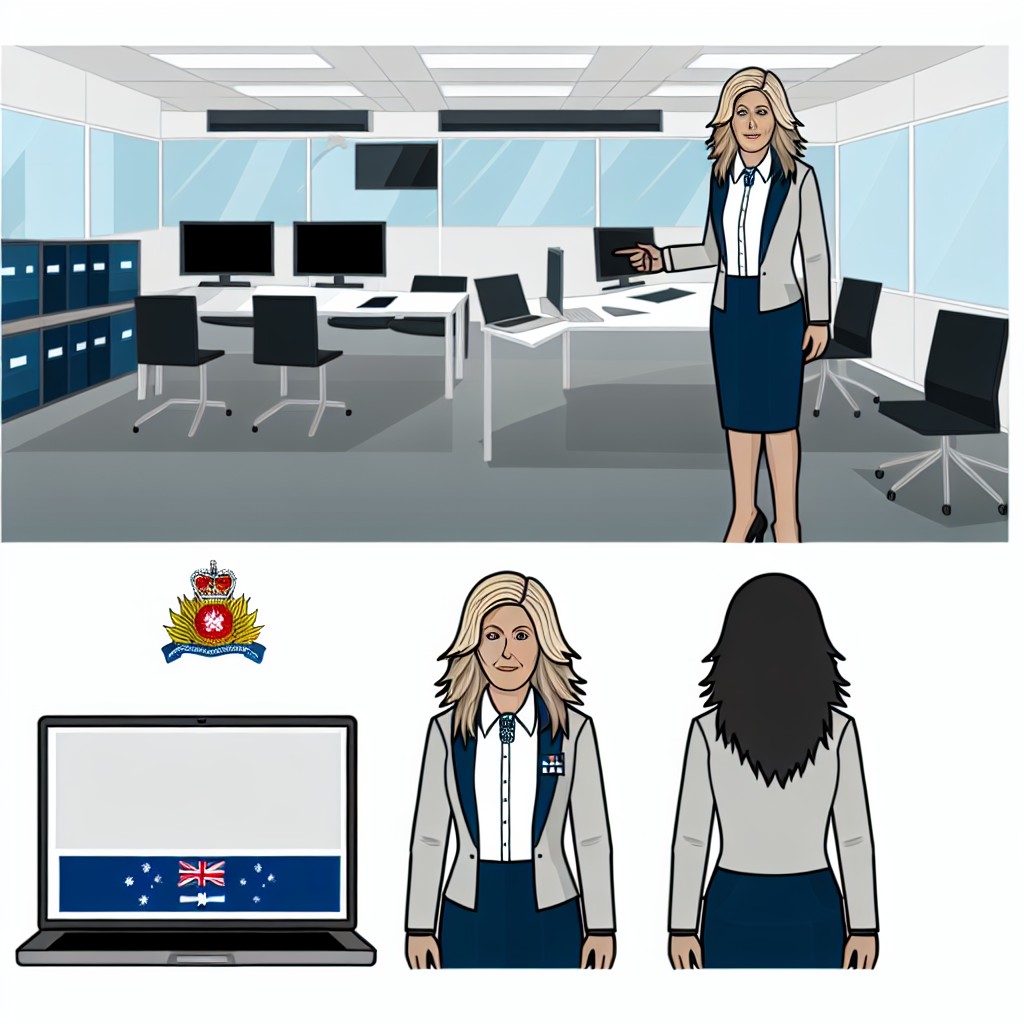
Post-crisis Recovery Efforts and Support Services Facilitated by Emergency Management Officers
Coordinating Community Recovery Initiatives
Emergency management officers lead coordinated recovery initiatives after crises.
They work closely with local councils and community leaders to assess damage impacts.
Furthermore, they develop tailored recovery plans to meet community needs.
These plans emphasize rebuilding infrastructure, restoring essential services, and supporting livelihoods.
Moreover, emergency officers ensure that recovery efforts align with community priorities.
Providing Access to Support Services
Emergency officers connect affected individuals to critical support services quickly.
They facilitate access to emergency housing, medical assistance, and financial aid.
In addition, they collaborate with health agencies to provide mental health counseling.
Consequently, survivors receive holistic support essential for emotional recovery.
Additionally, officers assist vulnerable populations such as the elderly and people with disabilities.
Engaging with Government and Non-Government Organizations
Emergency management officers liaise with government bodies to secure recovery funding.
They also coordinate with non-government organizations to expand support coverage.
Jointly, these partners organize donations, volunteer efforts, and logistical resources.
Through this cooperation, recovery responses become more efficient and comprehensive.
This collaboration further strengthens community resilience against future crises.
Monitoring Progress and Adapting Recovery Strategies
After implementing recovery plans, officers continuously monitor their effectiveness.
They gather feedback from community members and stakeholders regularly.
Based on evaluations, they adjust strategies to address emerging challenges.
These adaptable approaches help maintain momentum toward full community recovery.
Ultimately, sustained monitoring ensures resources deliver maximum positive impact.
Training, Skills, and Qualifications Required to Become an Emergency Management Officer
Educational Background
Most Emergency Management Officers hold a bachelor’s degree in emergency management.
Many also study public administration or related fields.
Degrees in environmental science, health, or criminology provide relevant knowledge.
Institutions like Griffith University and Charles Sturt University offer specialized courses.
Prospective officers should prioritize studies that develop critical thinking skills.
They should also build strong problem-solving abilities.
Essential Skills for Emergency Management Officers
Effective communication is crucial during crisis response coordination.
Officers must demonstrate strong leadership to guide teams under pressure.
They use analytical skills to assess risks and develop mitigation strategies.
Adaptability allows officers to respond efficiently to changing emergency situations.
Collaboration helps in working seamlessly with government agencies and communities.
Professional Training and Certifications
Formal training at places like the Australian Emergency Management Institute enhances skills.
Certifications such as the Certified Emergency Manager (CEM) boost credibility.
Training covers incident command systems and hazard identification.
Regular simulation exercises improve readiness for diverse emergencies.
Relevant Experience and On-the-Job Learning
Hands-on experience in emergency services strengthens practical knowledge.
Many officers start as paramedics, firefighters, or local government staff.
Field experience enhances decision-making during real crises.
Continued professional development supports staying updated with new threats.
Personal Attributes and Commitment
Emergency Management Officers need resilience to handle stressful environments.
They must show high integrity and dedication to public safety.
Ongoing learning helps officers keep skills sharp throughout their careers.
A passion for community service drives officers to protect Australians effectively.
Challenges Faced by Emergency Management Officers in Protecting Diverse Australian Communities
Navigating Cultural Diversity
Emergency management officers engage with communities from vastly different cultural backgrounds.
They must understand varied cultural practices and communication styles.
Respecting Indigenous customs is crucial during crisis response efforts.
Officers work closely with Aboriginal leaders like Miriam Koori to ensure culturally safe interventions.
Moreover, language barriers require effective translation and interpretation services.
This approach fosters trust between officers and community members.
Addressing Geographic and Environmental Challenges
Australia’s vast geography presents logistical challenges for effective crisis management.
Emergency teams coordinate responses over remote and isolated areas in Queensland and Western Australia.
They adapt plans to cope with events such as bushfires, floods, and cyclones.
Additionally, officers like Liam O’Connor continuously update disaster preparedness based on climate unpredictability.
Efficient resource allocation becomes critical when access to affected zones is limited.
Ensuring Equitable Access to Resources
Emergency officers strive to provide equal support to urban and rural communities.
They prioritize vulnerable populations, including elderly residents and people with disabilities.
Team leader Sarah Nguyen collaborates with local clinics to facilitate medical aid distribution.
Emergency plans incorporate strategies to reach culturally and linguistically diverse groups effectively.
Furthermore, officers leverage technology to improve communication and resource sharing.
Coordinating with Multiple Agencies
Officers must synchronize efforts with various government departments and NGOs.
Continuous communication ensures a unified response in crisis situations.
They participate in joint training exercises with Queensland Fire and Rescue Authority teams.
This coordination reduces duplication and improves operational efficiency.
Ultimately, it enhances community safety and resilience during emergencies.
Case Studies Highlighting Successful Interventions by Emergency Management Officers
Wildfire Response in New South Wales
Emergency Management Officer Lucas Bennett coordinated response efforts during the 2023 bushfires.
He prioritized rapid evacuation plans that saved numerous communities from danger.
Furthermore, Bennett implemented advanced fire detection technology to monitor hotspots.
As a result, firefighters received timely alerts enabling targeted containment.
He also collaborated with local councils to establish safe zones and emergency shelters.
Consequently, casualty rates remained significantly lower than in previous wildfires.
Flood Mitigation in Queensland
Officer Amelia Nguyen led flood relief operations along the Brisbane River in early 2024.
She organized proactive sandbagging efforts before heavy rainfall began.
Moreover, Nguyen worked alongside engineers to reinforce levees and drainage systems.
Emergency warnings issued under her guidance reached residents promptly.
This proactive approach minimized property damage across vulnerable neighborhoods.
Community volunteers praised Nguyen’s clear communication and efficient coordination.
COVID-19 Crisis Management in Victoria
Emergency Management Officer Samuel Hart managed containment strategies during the pandemic.
He oversaw the setup of temporary quarantine facilities across Melbourne.
Additionally, Hart liaised with healthcare providers to ensure resource availability.
His team implemented contact tracing protocols that curbed virus spread effectively.
Notably, Hart’s leadership enhanced vaccine distribution efficiency statewide.
The coordinated efforts contributed to reducing case numbers and hospitalizations.
Disaster Mitigation Techniques Applied by Emergency Management Officers
Community Education and Preparedness Programs
Officer Rachel Kim developed workshops teaching emergency response skills.
She emphasized practical drills tailored to specific regional hazards.
Her programs increased public awareness and self-reliance during disasters.
Additionally, Kim created digital resources accessible to remote populations.
These initiatives strengthened community resilience and overall safety.
Integration of Technology in Early Warning Systems
Officer Daniel Armitage championed the use of satellite data for weather forecasting.
He collaborated with tech companies to deploy mobile alert applications.
This integration allowed faster dissemination of critical warnings to the public.
Armitage’s approach also improved inter-agency communication efficiency.
Consequently, emergency response teams could mobilize resources promptly.
Collaborative Partnerships and Multi-Agency Coordination
Officer Natalie Fraser fostered strong relationships among government, NGOs, and communities.
She organized joint exercises simulating various disaster scenarios.
These collaborations enhanced resource sharing and operational cohesion.
Fraser’s efforts ensured streamlined response efforts during actual crises.
Cross-sector cooperation under her guidance reduced duplication and accelerated recovery.
Additional Resources
Australian Government Biosecurity and Agricultural Response Plan …