




The Critical Role of Radiographers in Early Disease Detection and Diagnosis
Expertise in Imaging Techniques
Radiographers expertly operate advanced imaging equipment to capture detailed internal body images.
They ensure precision in positioning patients to obtain the clearest diagnostic images.
Moreover, radiographers adjust technical settings to optimize image quality and minimize radiation exposure.
By mastering techniques like X-ray, MRI, and CT scans, they help reveal subtle abnormalities.
Collaboration with Healthcare Professionals
Radiographers work closely with radiologists and physicians to interpret imaging findings accurately.
They provide essential insights that guide further testing and treatment choices.
Additionally, radiographers communicate effectively to prioritize urgent cases for rapid diagnosis.
This teamwork accelerates the identification of critical health issues in vulnerable patients.
Impact on Early Disease Detection
Timely imaging conducted by radiographers often catches diseases before symptoms worsen.
For instance, early detection of tumors significantly improves patient survival rates.
Furthermore, radiographers monitor chronic conditions through regular scans to track progress.
Consequently, they play a vital role in preventive healthcare and reducing complications.
Ensuring Patient Comfort and Safety
Radiographers prioritize patient comfort during often stressful diagnostic procedures.
They explain the process clearly to reduce anxiety and foster cooperation.
Rigorous safety protocols minimize radiation risks for all patients.
Your Personalized Career Strategy
Unlock your potential with tailored career consulting. Get clear, actionable steps designed for your success. Start now!
Get StartedTherefore, radiographers balance diagnostic efficacy with compassionate care.
Continuous Training and Technological Adaptation
Radiographers continuously update their skills to keep pace with evolving imaging technology.
Institutions like the Cedar Valley Imaging Center invest heavily in regular professional development.
Adopting cutting-edge tools enables radiographers to enhance diagnostic accuracy continually.
Thus, their commitment to learning directly benefits patient outcomes.
Operation of Advanced Imaging Technology
Expertise in Modern Imaging Equipment
Radiographers skillfully operate cutting-edge imaging devices in healthcare facilities.
They master technology such as MRI, CT scanners, and digital X-ray machines.
Moreover, their technical knowledge ensures precise image capture for accurate diagnosis.
Effective use of equipment requires continuous training and updating of skills.
Preparation and Positioning of Patients
Radiographers carefully prepare patients for imaging procedures.
They position patients correctly to obtain the clearest possible images.
Furthermore, they explain procedures to reduce patient anxiety and increase cooperation.
This preparation helps medical teams receive detailed visuals to guide treatment plans.
Quality Control and Safety Measures
Ensuring safety is a top priority during imaging operations.
Stand Out with a Resume That Gets Results
Your career is worth more than a generic template. Let us craft a resume and cover letter that showcase your unique strengths and help you secure that dream job.
Get HiredRadiographers follow strict radiation safety protocols to protect patients and themselves.
They regularly maintain and calibrate equipment to guarantee image quality and safety.
Additionally, they verify imaging results before passing them to radiologists or physicians.
Support for Medical Teams Through Imaging
Providing Critical Diagnostic Information
Radiographers produce high-quality images crucial for medical decision-making.
Accurate imaging reveals abnormalities that may not be visible during physical exams.
Consequently, radiologists rely on these images to interpret conditions effectively.
Timely imaging helps doctors initiate treatments faster, improving patient outcomes.
Collaborating for Patient Care
Radiographers communicate closely with doctors, nurses, and other healthcare professionals.
They adjust imaging techniques based on clinical needs and patient conditions.
This teamwork ensures that the imaging data meets specific diagnostic requirements.
Ultimately, this collaboration streamlines the entire patient care process.
The Process of Producing High-Quality Diagnostic Images for Accurate Treatment Plans
Preparation and Patient Interaction
Radiographers begin by carefully preparing the imaging equipment for each examination.
They review patient history and any prior imaging to tailor the process effectively.
Next, radiographers explain the procedure clearly to patients to reduce anxiety.
Transform Your LinkedIn for Maximum Impact
Elevate your professional brand with a LinkedIn profile that attracts recruiters, showcases your expertise, and maximizes opportunities. Stand out in your industry with a profile built for success.
Boost ProfileThis explanation helps improve patient cooperation during the examination.
They position patients precisely to capture the necessary anatomical areas without discomfort.
Moreover, radiographers ensure safety measures are in place to minimize radiation exposure.
Selection and Calibration of Imaging Technology
Radiographers select the most suitable imaging modality based on the clinical indication.
They calibrate machines like X-rays, CT scanners, or MRIs to optimize image clarity.
Regular maintenance checks are performed to prevent technical issues that affect quality.
Therefore, radiographers adjust exposure settings to balance image detail and patient safety.
Technological expertise enables them to troubleshoot and resolve equipment malfunctions efficiently.
Acquisition of Diagnostic Images
During imaging, radiographers monitor patient condition and machine performance continuously.
They capture multiple images from different angles to provide comprehensive anatomical views.
Quality control is applied immediately to detect and correct possible artifacts or positioning errors.
Furthermore, radiographers apply contrast agents when needed to enhance visibility of structures.
They document all procedural details meticulously for accurate interpretation by radiologists.
Image Processing and Quality Assurance
After acquisition, radiographers process images using specialized software for visualization.
They assess image sharpness, contrast, and alignment to ensure diagnostic usefulness.
If necessary, radiographers repeat scans to improve deficient images promptly.
Effective communication with radiologists supports collaborative review and feedback.
Ultimately, this quality assurance guarantees reliable imaging data for treatment planning.
Impact of High-Quality Imaging on Treatment Planning
High-quality diagnostic images provide vital information to physicians and specialists.
These images help determine the exact nature and extent of injuries or diseases.
Consequently, clinicians develop personalized treatment strategies based on clear imaging insight.
Radiographers’ expertise ensures clinicians make informed decisions with confidence.
Thus, accurate imaging plays a crucial role in improving patient outcomes and saving lives.
See Related Content: How Palliative Care Nurses Provide Compassion in End-of-Life Care
Radiographers' Role in Emergency and Trauma Care Settings
Rapid Imaging to Aid Critical Diagnoses
Radiographers act quickly to capture vital images during emergencies.
They perform X-rays, CT scans, and ultrasounds with precision and speed.
Consequently, their work allows emergency teams to evaluate injuries without delay.
For example, during a car accident, Sarah Reynolds swiftly images fractures to guide surgeons.
Therefore, radiographers directly influence the decision-making process in critical moments.
Collaboration with Trauma and Emergency Teams
Radiographers collaborate closely with paramedics, doctors, and nurses on-site.
They communicate findings and prepare images for immediate review by specialists.
Moreover, they understand the urgency and workflows within trauma units.
Michael Thompson, a lead radiographer at Crestview Medical Center, emphasizes teamwork in saving lives.
This collaboration ensures seamless patient care during high-pressure situations.
Use of Advanced Imaging Technology
Emergency settings require the latest imaging technologies for accurate results.
Radiographers expertly operate portable X-ray machines and mobile CT scanners.
These tools help capture images right at the patient's bedside or in ambulances.
Additionally, they apply radiation safety protocols to protect patients and staff.
Advanced imaging supports rapid assessment of internal injuries and internal bleeding.
Handling Complex Cases with Expertise
Trauma patients often present with multiple and complicated injuries.
Radiographers must adapt techniques to different anatomical and emergency situations.
They use problem-solving skills to obtain clear images under challenging conditions.
Furthermore, they frequently update their skills to stay proficient with evolving practices.
This expertise is critical for detecting subtle but life-threatening injuries.
Supporting Continuous Patient Monitoring
After initial imaging, radiographers help monitor patient progress through follow-up scans.
They detect changes in injury status or complications rapidly and accurately.
Hence, their ongoing involvement aids trauma teams in adjusting treatment plans.
Clinical radiographer Emma Delgado notes the importance of continuous imaging in recovery.
This process enhances patient outcomes in intensive care and emergency units.
Discover More: The Growing Importance of Physiotherapy in Modern Medicine
Collaboration between Radiographers and Other Healthcare Professionals
Integral Role in Multidisciplinary Teams
Radiographers actively participate in multidisciplinary healthcare teams.
They collaborate closely with doctors, nurses, and specialists every day.
This teamwork ensures accurate diagnoses and effective treatment plans.
Moreover, radiographers provide critical imaging information that guides clinical decisions.
Consequently, their input improves patient outcomes and safety.
Effective Communication Practices
Radiographers maintain clear and timely communication with all team members.
They discuss imaging results promptly with radiologists and physicians.
This dialogue helps clarify clinical questions and imaging findings.
Additionally, radiographers relay patient concerns and conditions to the team.
Therefore, communication enhances coordinated and patient-centered care.
Supporting Emergency and Critical Care Teams
Radiographers play a vital role in emergency departments and critical care units.
They quickly perform imaging to detect injuries and life-threatening conditions.
By working alongside trauma surgeons and paramedics, they expedite diagnosis.
Furthermore, radiographers adapt techniques under pressure to provide urgent imaging.
Thus, their collaboration accelerates treatment decisions in emergencies.
Training and Continuous Learning with Colleagues
Radiographers engage in joint training sessions with other healthcare professionals.
They share knowledge about new imaging technologies and clinical protocols.
This collaborative learning fosters mutual understanding and skill development.
Besides, it encourages innovation and improved patient care methods.
Hence, continuous education strengthens interdisciplinary relationships.
Roles in Patient Advocacy and Care Coordination
Radiographers advocate for patient comfort and safety during imaging procedures.
They inform nurses and therapists about patients’ specific needs and conditions.
Such coordination helps tailor care plans around the imaging process.
Moreover, radiographers alert the team to any unexpected findings requiring urgent action.
Consequently, collaboration supports comprehensive and compassionate patient care.
Explore Further: Exploring the Role of Speech Pathologists in Healthcare
The Impact of Radiographers on Patient Safety Through Radiation Protection Measures
Role of Radiographers in Radiation Safety
Radiographers actively ensure the safe use of radiation during imaging procedures.
They carefully monitor radiation doses to minimize patient exposure.
Furthermore, they apply strict protocols that protect patients and staff alike.
Through continuous training, radiographers stay updated on radiation safety standards.
Effective communication allows them to explain safety measures clearly to patients.
Implementing Radiation Protection Practices
Radiographers consistently use shielding devices to reduce unnecessary radiation exposure.
They select imaging parameters tailored to each patient's size and medical needs.
Moreover, they verify equipment calibration to maintain accurate radiation levels.
Before each procedure, radiographers confirm patient identification to avoid errors.
They also collaborate closely with medical physicists to optimize safety protocols.
Technology and Safety Enhancements
Radiographers employ advanced imaging technology designed to limit radiation doses.
Digital radiography enables quicker image acquisition, reducing exposure time.
They utilize dose monitoring systems to track cumulative radiation for each patient.
Additionally, radiographers participate in quality assurance programs to ensure safe operations.
These efforts contribute significantly to lowering the risks associated with diagnostic imaging.
Patient and Healthcare Team Education on Radiation Safety
Radiographers educate patients on the benefits and risks of radiologic procedures.
They reassure patients by explaining safety measures clearly and compassionately.
Furthermore, radiographers train other healthcare professionals on radiation safety practices.
This multidisciplinary approach strengthens overall patient protection within healthcare facilities.
Ultimately, radiographers play a vital role in ensuring the highest safety standards are met.
Learn More: The Life of a Paramedic: Emergency Medicine on the Frontlines
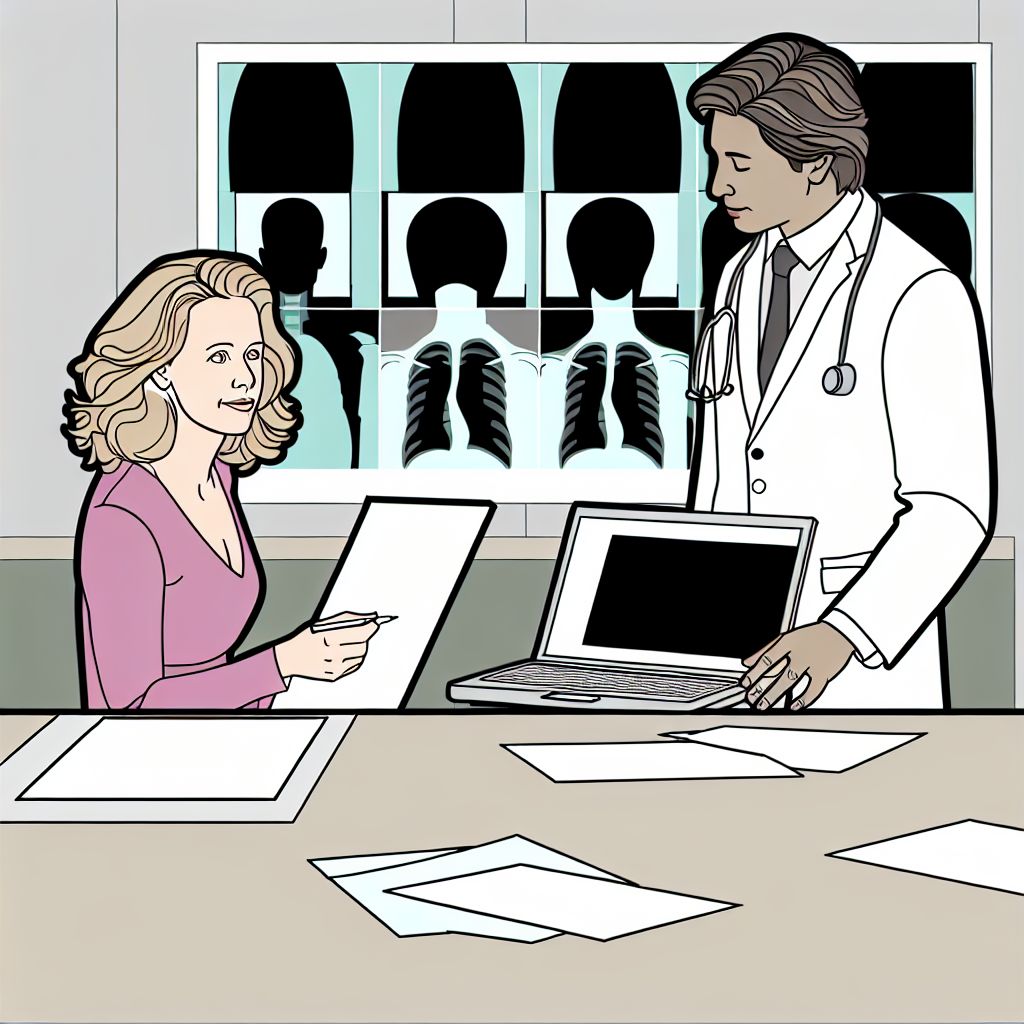
Continuous Professional Development and Training
Importance of Staying Current with Medical Advancements
Radiographers play a vital role in patient care by using the latest imaging technologies.
They must continuously update their skills to improve diagnostic accuracy.
Medical imaging technology evolves rapidly.
Ongoing education is necessary for radiographers to keep pace.
Staying current enables radiographers to contribute effectively to patient outcomes.
Continuous professional development (CPD) remains central to their career growth.
Types of Professional Development Opportunities
Radiographers can attend workshops and seminars hosted by leading healthcare organizations.
Moreover, online courses offer flexible learning options to learn emerging techniques.
Participation in conferences allows radiographers to network and learn from experts.
Hospitals like St. Helena Regional Hospital regularly provide in-house training sessions.
Certification programs help radiographers specialize in MRI or CT scanning.
Role of Employers in Supporting Training
Healthcare institutions encourage staff to engage in CPD through dedicated training budgets.
They often partner with educational providers such as the Radiological Education Center.
Management recognizes the link between trained radiographers and improved patient safety.
Regular skill assessments identify areas needing improvement.
Support from employers fosters a culture of learning and professional excellence.
Benefits of Continuous Learning for Radiographers
Continuous training sharpens technical skills and enhances clinical decision-making.
It increases confidence when operating complex imaging machinery.
Radiographers stay informed about new radiation safety protocols.
This knowledge minimizes risks to both patients and healthcare staff.
Ongoing education helps radiographers save more lives behind the scenes.
Emotional Support and Communication Skills Radiographers Use When Dealing with Patients
Creating a Comfortable Environment
Radiographers understand that many patients feel anxious or scared during imaging procedures.
Therefore, they actively create a calm and welcoming atmosphere.
They greet patients warmly to ease tension before the procedure begins.
Moreover, they use clear and gentle language to explain what will happen.
This approach helps patients feel more at ease and informed throughout the process.
Effective Communication Techniques
Radiographers listen carefully to patients’ concerns and questions.
They respond with empathy, acknowledging the patient’s feelings sincerely.
Additionally, radiographers adapt their communication style to match each patient’s needs.
They use simple terms to explain complex medical information clearly.
By doing so, they empower patients to feel more confident about their care.
Providing Reassurance During Difficult Moments
Some imaging procedures may cause discomfort or require patients to stay still for long periods.
Radiographers offer continuous reassurance to help patients remain calm.
They frequently check in to ensure the patient’s comfort throughout the exam.
If patients appear distressed, radiographers pause and use calming techniques.
These efforts significantly reduce anxiety and improve the overall patient experience.
Building Trust and Emotional Connection
Radiographers develop trust by showing genuine care and respect.
They maintain patient privacy and dignity at all times.
Furthermore, they encourage patients to share their worries openly.
This open communication fosters a supportive relationship essential for quality care.
Ultimately, radiographers’ emotional support plays a vital role in successful diagnostic outcomes.
Behind-the-Scenes Contributions of Radiographers in Managing Chronic and Complex Conditions
Essential Diagnostic Support
Radiographers play a critical role in diagnosing chronic and complex conditions early.
They capture high-quality images that help specialists identify underlying health issues.
For example, radiographer Hannah Morris expertly performs MRI scans that reveal subtle tissue abnormalities.
Moreover, their precise imaging guides tailored treatment plans for patients like those with rheumatoid arthritis.
Consequently, early interventions become possible, improving patient outcomes significantly.
Collaboration with Multidisciplinary Teams
Radiographers work closely with physicians, nurses, and therapists to optimize patient care.
At Highland Regional Hospital, radiographer Liam Patel regularly consults with oncologists to monitor cancer progression.
This teamwork ensures imaging results effectively inform treatment adjustments.
Additionally, radiographers communicate findings efficiently, reducing delays in decision-making.
Therefore, their collaboration is vital in managing complex patient cases involving multiple specialists.
Enhancing Patient Safety and Comfort
Radiographers prioritize patient safety, especially during repeated imaging for chronic conditions.
They follow stringent radiation protection protocols to minimize exposure risk during X-rays and CT scans.
Radiographer Emily Chen personalizes the imaging experience to alleviate patient anxiety.
Furthermore, by explaining procedures clearly, she ensures patients remain calm and cooperative.
As a result, radiographers improve both the quality of images and patient satisfaction.
Advancing Imaging Technology and Techniques
Radiographers stay updated on the latest imaging technologies to enhance diagnostic accuracy.
For instance, Oliver Grant at Riverside Hospital implements advanced PET-CT methods for complex brain disorders.
They continuously refine techniques to detect subtle changes in chronic disease progression.
This dedication allows earlier detection of complications, supporting timely medical interventions.
Thus, radiographers contribute significantly to evolving standards of patient care.
Ongoing Monitoring and Chronic Disease Management
Radiographers conduct serial imaging studies that track long-term disease progression effectively.
They assist in monitoring conditions like multiple sclerosis by generating consistent, high-quality scans.
Through these images, clinicians assess treatment efficacy and adjust therapies as needed.
Moreover, radiographers maintain detailed imaging records, facilitating comprehensive patient follow-up.
In this way, their efforts support continuous disease management and improved health outcomes.
Additional Resources
Hologic: Breakthrough Diagnostic & Medical Imaging Solutions


