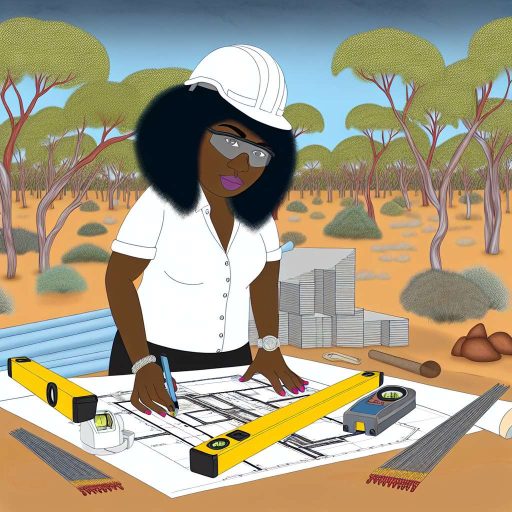




Overview of Mining Engineering and Its Significance in Australia
Defining Mining Engineering
Mining engineering involves the extraction of valuable minerals from the earth.
This discipline integrates geology, engineering, and environmental science.
Mining engineers design safe and efficient extraction processes.
They ensure resource recovery while minimizing environmental impact.
Moreover, they oversee operations from exploration to mine closure.
Importance of Mining Engineering in Australia
Australia ranks among the world’s leading mineral producers.
Its economy greatly depends on mining activities and resource management.
Mining engineers play a vital role in sustaining this economic sector.
They optimize resource use and promote responsible mining practices.
Companies like Fortescue Metals Group and BHP employ skilled mining engineers.
These professionals help balance growth with environmental stewardship.
Key Responsibilities of Mining Engineers
Mining engineers plan extraction methods tailored to specific deposits.
They evaluate geological data to assess mineral viability effectively.
Additionally, they manage mine safety and workforce training programs.
Their expertise supports innovation such as automation and sustainable technologies.
Your Personalized Career Strategy
Unlock your potential with tailored career consulting. Get clear, actionable steps designed for your success. Start now!
Get StartedCollaborations with environmental scientists help protect natural habitats.
Influence on Australia’s Natural Resource Management
Mining engineers contribute to efficient resource utilization strategies.
They develop remediation plans for mining-affected areas.
Furthermore, they monitor compliance with national environmental regulations.
Community engagement forms part of their responsibility to ensure transparency.
Ultimately, their work promotes long-term resource availability for future generations.
Key Responsibilities of Mining Engineers in Resource Management
Planning and Designing Sustainable Mining Operations
Mining engineers develop efficient mine designs to optimize resource extraction.
They assess geological data to plan operations with minimal environmental impact.
Furthermore, they incorporate sustainable practices during the design phase.
For example, Laura Bennett at Southern Cross Mining ensures reduced land disturbance.
Additionally, they collaborate with environmental scientists to integrate rehabilitation strategies.
Monitoring and Controlling Resource Usage
Mining engineers continuously monitor resource consumption throughout mining projects.
They implement control systems to prevent waste and overuse of natural resources.
Moreover, engineers use advanced technologies for real-time data analysis.
Stand Out with a Resume That Gets Results
Your career is worth more than a generic template. Let us craft a resume and cover letter that showcase your unique strengths and help you secure that dream job.
Get HiredJackson Reilly from TerraMine Solutions leads initiatives to optimize water and energy use.
Therefore, they support resource efficiency while maintaining operational productivity.
Ensuring Compliance with Environmental Regulations
Mining engineers ensure that all activities comply with Australian environmental laws.
They stay updated on regulations set by authorities like the Department of Natural Resources.
Furthermore, they prepare documentation and reports for regulatory review.
Emily Carter at GreenEarth Mining manages compliance with strict rehabilitation standards.
This effort helps protect ecosystems and maintains community trust.
Collaborating with Stakeholders for Responsible Resource Management
Mining engineers engage with local communities, government bodies, and environmental groups.
They facilitate transparent communication to address concerns and expectations.
For instance, Daniel Murray at Outback Resources organizes stakeholder workshops regularly.
Such collaboration promotes shared responsibility and supports sustainable outcomes.
Consequently, mining projects advance while respecting social and environmental values.
Innovating and Implementing Resource Conservation Technologies
Mining engineers research and apply new technologies for resource conservation.
They adopt methods like water recycling and energy-efficient equipment upgrades.
Transform Your LinkedIn for Maximum Impact
Elevate your professional brand with a LinkedIn profile that attracts recruiters, showcases your expertise, and maximizes opportunities. Stand out in your industry with a profile built for success.
Boost ProfileAt Red Ridge Mining, engineer Sophie Nguyen pioneers low-impact extraction techniques.
These innovations reduce ecological footprints and prolong the lifespan of reserves.
Thus, technology plays a crucial role in responsible resource management.
Techniques Used by Mining Engineers to Ensure Sustainable Extraction
Advanced Resource Planning and Assessment
Mining engineers conduct thorough assessments of mineral deposits before extraction.
They evaluate ore quality, quantity, and environmental conditions.
Furthermore, they collaborate with geologists and environmental scientists.
This collaboration helps to minimize environmental disruption during mining.
Engineers use advanced software to model resource extraction scenarios accurately.
Consequently, this planning optimizes resource use and reduces waste.
Implementation of Environmentally Friendly Mining Methods
Mining engineers adopt methods that reduce environmental footprints.
They prefer selective mining techniques to limit excessive land disturbance.
Additionally, controlled blasting minimizes noise and vibration damage.
When possible, engineers employ underground mining to preserve surface ecosystems.
They also design efficient water management systems to prevent contamination.
These measures protect local flora and fauna around mining sites.
Rehabilitation and Land Restoration Practices
Mining engineers plan land rehabilitation alongside extraction projects.
They develop progressive rehabilitation to restore disturbed areas promptly.
This approach involves soil stabilization and replanting native vegetation.
Moreover, engineers coordinate with ecologists to restore natural habitats.
They monitor reclaimed land to ensure ecosystem recovery continues effectively.
Such practices help maintain biodiversity and community health long-term.
Use of Renewable Energy and Efficient Technologies
Engineers integrate renewable energy sources into mining operations.
This shift reduces reliance on fossil fuels and lowers greenhouse emissions.
They implement energy-efficient machinery and optimize transport logistics.
Moreover, real-time data monitoring enhances energy use and reduces waste.
These technologies improve operational sustainability significantly.
Therefore, mining companies like Redstone Minerals benefit economically and environmentally.
Community Engagement and Regulatory Compliance
Mining engineers actively engage local communities in planning processes.
They address environmental and social concerns transparently.
Compliance with national environmental laws and international standards is crucial.
Engineers ensure mining activities meet requirements set by the Australian Government.
They prepare detailed environmental impact statements before project approval.
This collaboration fosters trust and supports sustainable resource management.
See Related Content: How Structural Engineers Build Foundations for Modern Australia
Role of Mining Engineers in Environmental Impact Assessment and Mitigation
Conducting Thorough Environmental Impact Assessments
Mining engineers lead comprehensive environmental impact assessments before project initiation.
They analyze potential effects on local ecosystems and water sources.
Furthermore, they collaborate with ecologists and geologists for accurate data collection.
Their expertise helps identify risks related to soil erosion and habitat disruption.
Consequently, mining engineers provide recommendations to minimize negative environmental outcomes.
Designing Effective Mitigation Strategies
Mining engineers develop plans to reduce environmental damage from mining operations.
They prioritize sustainable resource use while optimizing extraction methods.
Moreover, they implement erosion control measures and waste management protocols.
Their strategies include rehabilitation of disturbed land using native vegetation.
These efforts ensure ecosystems recover and biodiversity is preserved.
Monitoring and Compliance Management
Mining engineers continuously monitor environmental parameters during mining activities.
They ensure compliance with Australian environmental regulations and standards.
Additionally, they coordinate with regulatory bodies such as the Department of Agriculture and Water Resources.
When issues arise, they promptly adapt plans to mitigate environmental harm.
This proactive approach prevents long-term ecological damage and fosters community trust.
Collaboration with Stakeholders for Sustainable Outcomes
Mining engineers engage with local communities, Indigenous groups, and environmental organizations.
They incorporate traditional knowledge into environmental protection plans.
Furthermore, they provide transparent communication about mitigation efforts and impacts.
Collaboration ensures mining projects respect cultural values and environmental priorities.
Ultimately, mining engineers help balance resource development with ecological preservation.
Delve into the Subject: Clean Energy Engineering: In-Demand Roles in Australia’s Renewable Energy Sector
Integration of Technology and Innovation in Mining Engineering Practices
Advanced Mining Technologies Transforming the Industry
Mining engineers in Australia actively incorporate advanced technologies.
They use these technologies to optimize resource extraction.
For instance, companies such as Southern Star Mining use autonomous vehicles.
These vehicles improve safety and efficiency at mining sites.
Moreover, drone technology enables detailed aerial surveys of mining sites.
This approach allows quick and accurate data collection.
Additionally, remote sensing equipment helps monitor environmental impacts continuously.
Consequently, these technologies reduce risks to workers.
They also increase the accuracy of production processes.
Digital Innovation Enhancing Resource Management
Digital tools such as 3D modeling software allow precise planning of mining operations.
For example, OzGeo Solutions uses AI-driven analysis to predict ore deposit locations.
Cloud computing supports real-time data sharing among multidisciplinary teams.
This support speeds up decision-making processes within mining projects.
Furthermore, digital workflows minimize waste in mining operations.
They also enhance sustainable resource allocation effectively.
Environmental Monitoring and Sustainability Efforts
Mining engineers use sensor networks to track soil and water quality near mining sites.
Green Rock Resources has pioneered automated monitoring systems for early contamination detection.
Renewable energy technologies like solar power reduce the carbon footprint of mining operations.
Integrating these innovations supports Australia’s environmental regulations and community well-being.
These efforts show mining engineers’ commitment to balancing resource use and ecosystem preservation.
Collaborative Innovation within the Mining Sector
Collaborations between engineering firms and technology startups drive ongoing mining innovation.
Smithson Engineering partners with companies like TerraLogics to develop smart mining solutions.
These partnerships help create custom software for unique geological conditions.
Cross-disciplinary teamwork encourages knowledge exchange and rapid prototyping of new tools.
Therefore, collaboration accelerates the adoption of effective technologies industry-wide.
Emerging Trends in Mining Engineering Technology
Current trends include expanding machine learning for predictive maintenance of equipment.
Everlight Mines invests in virtual reality to train engineers safely in complex scenarios.
Additionally, blockchain may soon improve transparency in resource tracking and trading.
Mining engineers constantly explore innovations to meet evolving challenges.
Ultimately, these advances strengthen Australia’s sustainable management of natural wealth.
Gain More Insights: Smart Cities and Australian Engineers: The Future of Urban Development Jobs
Collaboration with Government and Regulatory Bodies for Resource Management
Building Strong Partnerships with Regulatory Agencies
Mining engineers actively engage with government agencies to ensure compliance.
They focus on resource management laws and regulations.
Consistent communication channels are established with the Department of Mines and Energy.
Moreover, collaboration with the Environmental Protection Authority helps minimize ecological impacts.
For example, engineers at Northern Horizons Mining coordinate closely with Queensland’s regulatory offices.
This cooperation guarantees adherence to legal frameworks and operational standards.
Aligning Mining Operations with Environmental Policies
Mining engineers integrate government environmental policies into project planning and execution.
Consequently, environmental risks are reduced and sustainable mining practices promoted.
They conduct impact assessments following guidelines provided by regulatory bodies.
Furthermore, engineers from Redstone Resources implement innovative waste management techniques endorsed by the EPA.
Therefore, mining activities align with Australia’s natural resource conservation goals.
Contributing to Policy Development and Resource Regulation
Mining professionals actively participate in governmental advisory committees and consultations.
They provide technical expertise to shape practical and effective resource management policies.
For instance, Laura Nguyen from Apex Mining Services advised on the revisions of mining safety regulations.
Such contributions facilitate policies that balance economic growth and environmental stewardship.
Training and Knowledge Sharing with Government Officials
Mining engineers organize workshops to update regulators on the latest industry technologies and practices.
These sessions promote mutual understanding and enhance regulatory oversight capabilities.
Additionally, engineers from Southern Cross Mining conduct joint training programs with government staff.
This collaboration bolsters consistent enforcement of sustainable mining standards across Australia.
Ensuring Transparent Reporting and Accountability
Mining companies submit detailed resource management reports to government bodies under engineer supervision.
Such transparency reinforces trust and public confidence in mining operations.
Engineers like Marcus Patel ensure accurate monitoring of resource extraction and rehabilitation efforts.
Consequently, regulatory authorities can effectively track compliance and environmental performance.
You Might Also Like: What’s Next for Civil Engineering in Australia: Key Trends and Job Opportunities

Challenges Faced by Mining Engineers in Balancing Economic and Environmental Goals
Economic Pressures in Mining Operations
Mining engineers often face intense pressure to maximize resource extraction efficiency.
Companies like Ironstone Resources prioritize profitability to sustain shareholder confidence.
Engineers must optimize production while working within tight budgets.
They also navigate fluctuating commodity prices that affect project feasibility.
Timely project delivery is essential to capture market opportunities.
Environmental Compliance and Sustainability Requirements
At the same time, engineers must comply with stringent environmental regulations.
State agencies enforce standards to protect Australia’s unique ecosystems.
For example, the Queensland Environmental Protection Authority requires detailed impact assessments.
Engineers design mining processes to minimize land degradation and water contamination.
Therefore, sustainability becomes a core consideration throughout project lifecycles.
Integration of Advanced Technologies to Mitigate Impact
Mining engineers employ innovative technologies to reduce environmental footprints.
Remote sensing and drones enable precise site monitoring and data collection.
Companies like Southern Star Mining incorporate automation to enhance operational safety.
Additionally, water recycling systems effectively limit freshwater consumption.
These tools facilitate compliance while protecting natural habitats.
Managing Stakeholder Expectations and Community Relations
Engineers often balance interests among mining firms, local communities, and regulators.
Engaging with Indigenous groups ensures culturally sensitive resource management.
Open communication fosters trust and supports project approval processes.
Transparency in environmental reporting reassures concerned stakeholders.
Thus, social license to operate becomes as vital as technical success.
Addressing Unforeseen Environmental Challenges
Unexpected events like heavy rains or equipment failures worsen environmental risks.
Engineers must quickly adapt plans to prevent contamination or habitat loss.
Emergency response protocols are essential to mitigate potential damage.
Continuous environmental monitoring helps detect issues early on.
This proactive approach reduces costly delays and restores ecosystem balance.
Balancing Long-Term Resource Management with Short-Term Gains
Mining engineers face tough decisions between immediate profits and resource conservation.
They apply sustainable mining practices to extend resource availability.
Phased rehabilitation plans restore mine sites progressively.
Innovators like Emma Whitfield emphasize circular economy models within mining.
Balancing these goals supports Australia’s economic and environmental future.
Case Studies of Successful Mining Engineering Projects in Australia
Innovative Water Management at the Pilbara Iron Ore Mines
Mining engineers at Fortescue Metals Group pioneered advanced water recycling techniques.
They implemented closed-loop systems to drastically reduce freshwater use.
This approach preserved local water tables and minimized environmental impact.
Moreover, the project integrated remote sensing to monitor water quality continuously.
The team collaborated closely with indigenous communities to respect cultural water sites.
Renewable Energy Integration at Cadia Valley Operations
Newcrest Mining engineers incorporated solar and battery storage on site.
This strategy lowered carbon emissions while maintaining reliable power supply.
In addition, the facility reduced diesel consumption by over 30 percent per year.
Engineers used predictive maintenance to optimize energy usage and equipment efficiency.
This project set a benchmark for sustainable mining operations in New South Wales.
Land Rehabilitation and Biodiversity at the Ravenswood Gold Mine
Mining engineer Clara Mitchell led a comprehensive ecosystem restoration program.
She introduced native plant species to rehabilitate disturbed land areas.
The project reestablished habitats for endangered animals native to Queensland.
Over time, soil health improved significantly, enabling sustainable vegetation growth.
Community engagement ensured local stakeholders supported and benefited from restoration.
Automation and Safety Enhancements at Olympic Dam
BHP engineers deployed autonomous loaders and trucks to improve site safety.
This automation reduced human exposure to hazardous underground conditions.
Furthermore, real-time data analytics enhanced decision-making and operational responsiveness.
Workplace accidents dropped substantially while productivity increased.
The project demonstrated how technology drives both environmental stewardship and worker welfare.
Energy Efficiency Improvements at the Mount Whaleback Mine
Engineers from Rio Tinto retrofitted processing plants with energy-efficient equipment.
This modernization cut electricity consumption by nearly 25 percent annually.
Additionally, variable speed drives optimized the operation of heavy machinery.
Such improvements lowered greenhouse gas emissions and operating costs effectively.
They also provided a scalable model for similar bulk minerals operations across Australia.
Future Trends in Mining Engineering Related to Natural Resource Conservation
Advancements in Sustainable Mining Technologies
Mining engineers increasingly adopt sustainable technologies to minimize environmental impact.
Helix Mining Solutions developed innovative ore-sorting systems.
These systems reduce waste by accurately separating valuable minerals from rock.
Moreover, automated drilling equipment improves precision and reduces energy consumption.
Consequently, operations generate fewer emissions and disturb less land.
Integration of Renewable Energy in Mining Operations
Renewable energy sources become common in powering mining sites across Australia.
GreenTech Energy recently partnered with Southern Mining Group to launch solar-powered equipment.
This strategy lowers reliance on fossil fuels and cuts carbon footprints.
Additionally, wind turbines complement solar power in remote locations.
Therefore, mining engineers design hybrid energy systems that ensure continuous operations.
Use of Data Analytics and Artificial Intelligence
Data analytics and AI enable more efficient resource management in mining projects.
Engineers utilize predictive models to optimize extraction while conserving resources.
Quantum Mining Analytics provides real-time monitoring of mineral deposits.
This allows timely adjustments that prevent resource overuse and environmental degradation.
As a result, mining becomes more adaptive and environmentally responsible.
Water Conservation and Management Practices
Water scarcity drives innovation in water recovery and recycling within mining sites.
AquaMine Technologies developed a closed-loop water treatment system now used by Redstone Mining.
This system significantly reduces water withdrawal from natural sources.
Additionally, engineers implement rainwater harvesting to supplement water supply.
Hence, mining operations minimize their impact on local water ecosystems.
Rehabilitation and Biodiversity Protection
Mining engineers focus on land rehabilitation to restore biodiversity after extraction.
EcoRegen Consultants assist mining firms in developing comprehensive reclamation plans.
These plans include native vegetation planting and habitat reconstruction.
Furthermore, monitoring programs track ecosystem recovery over time.
Consequently, mining areas gradually transform back into functional natural habitats.
Collaboration and Community Engagement
Future mining practices emphasize close collaboration with local communities.
Engineers collaborate with Indigenous groups to incorporate traditional knowledge.
Wyara Mining respects cultural sites through joint environmental stewardship.
This cooperation fosters sustainable resource use aligned with community values.
Ultimately, mining engineers promote transparent communication and shared responsibility.
Additional Resources
Advancing toward sustainability: The emergence of green mining …
Let’s be part of something exciting – GHD