




Regular Inspection and Diagnosis of Vehicle and Machine Components
Importance of Routine Inspections
Mechanics perform routine inspections to detect potential issues early.
They check vital components to prevent unexpected breakdowns.
Regular assessments maintain optimal performance and extend machinery life.
Inspections also improve safety standards for vehicle operators and users.
Technicians at Hamilton Auto Repair prioritize scheduled maintenance for all customers.
Key Areas of Inspection
Engine systems receive detailed examination for leaks and abnormal sounds.
Technicians verify fluid levels to ensure proper lubrication and cooling.
They inspect brakes for wear and responsiveness to guarantee effective stopping power.
Suspension and steering components get checked for stability and control.
Electrical systems undergo testing to confirm reliable battery and wiring conditions.
Diagnosis Techniques and Tools
Mechanics use diagnostic scanners to identify electronic faults efficiently.
They employ thermal cameras to detect overheating components quickly.
Visual inspections accompany tool-based diagnostics for a thorough review.
At Precision Machine Works, technicians combine experience with advanced tools tactically.
This method enables accurate problem identification and efficient repairs.
Your Personalized Career Strategy
Unlock your potential with tailored career consulting. Get clear, actionable steps designed for your success. Start now!
Get StartedAdvantages of Early Problem Detection
Early diagnosis reduces repair costs significantly by addressing minor faults promptly.
It prevents further damage that could lead to severe mechanical failures.
Regular checks enhance fuel efficiency by maintaining engine health.
Timely repairs minimize downtime for commercial vehicles and machinery.
Reliable machinery supports business operations and customer satisfaction consistently.
Best Practices for Inspection Scheduling
Mechanics recommend inspections based on manufacturer guidelines and usage.
Fleet managers at Ridgeway Logistics schedule bi-monthly checks to ensure uptime.
Using computerized maintenance systems helps track inspection dates systematically.
Technicians also educate clients on signs indicating immediate inspection needs.
Disciplined scheduling maximizes machine reliability and longevity.
Performing Routine Maintenance Tasks
Importance of Regular Oil Changes
Mechanics perform regular oil changes to maintain engine performance.
Oil lubricates engine components and reduces friction effectively.
Without fresh oil, engines risk overheating and premature wear.
Therefore, technicians like Carlos Ramirez ensure timely oil replacements.
Stand Out with a Resume That Gets Results
Your career is worth more than a generic template. Let us craft a resume and cover letter that showcase your unique strengths and help you secure that dream job.
Get HiredThey select proper oil types based on vehicle specifications carefully.
Replacing Filters to Protect Engine Health
Filter replacements are essential to prevent contaminants from damaging engines.
Mechanics routinely replace air, oil, and fuel filters professionally.
Each filter plays a crucial role in maintaining system cleanliness efficiently.
At Precision Auto Care, Emily Zhang inspects filters during service appointments.
She recommends immediate replacement when filters show clogging or damage signs.
Additional Routine Checks That Enhance Efficiency
Besides oil and filters, mechanics also check fluid levels regularly.
Transmission fluid, brake fluid, and coolant need proper monitoring and topping up.
Regular tire rotations and pressure checks improve fuel efficiency significantly.
Skilled technicians at Evergreen Garage follow detailed checklists systematically.
They document each maintenance task to track vehicle health over time.
Benefits of Routine Maintenance
Consistent maintenance prevents costly repairs and extends machine lifespan.
Owners experience smoother operation and improved fuel economy as a result.
Moreover, routine care enhances safety by reducing unexpected breakdowns considerably.
Transform Your LinkedIn for Maximum Impact
Elevate your professional brand with a LinkedIn profile that attracts recruiters, showcases your expertise, and maximizes opportunities. Stand out in your industry with a profile built for success.
Boost ProfileMaria Fernandez, a lead mechanic, emphasizes that scheduled upkeep saves customers money.
Ultimately, proactive servicing contributes to environmental sustainability by lowering emissions.
Utilizing Advanced Diagnostic Tools and Technology for Accurate Troubleshooting
Integration of Modern Diagnostic Equipment
Mechanics increasingly rely on advanced diagnostic equipment to identify vehicle issues efficiently.
These tools offer precise fault detection, reducing guesswork in repairs.
For instance, automotive scan tools rapidly read error codes from vehicle computers.
Additionally, oscilloscopes and multimeters help analyze electrical system performance.
Consequently, mechanics can pinpoint problems faster and more accurately.
Benefits of Digital Technology in Diagnosis
Digital technologies facilitate real-time monitoring of engine and system functions.
Furthermore, they enable mechanics to perform remote diagnostics when necessary.
These capabilities save time and reduce vehicle downtime for customers.
Moreover, cloud-based software updates keep diagnostic tools current with new vehicle models.
Therefore, repair shops like Grandview Auto Solutions maintain competitive diagnostic accuracy.
Training and Expertise in Utilizing Technology
Technicians at Sterling Mechanical regularly attend workshops on new diagnostic technology.
This ongoing training ensures their skills evolve alongside innovations.
Furthermore, expertise in interpreting diagnostic data is crucial for effective troubleshooting.
Certified mechanic Alex Carter emphasizes that technology aids but does not replace skilled judgment.
Thus, combining human expertise with advanced tools leads to optimal repair outcomes.
Common Diagnostic Tools Used in Workshops
- OBD-II scanners for on-board computer communication
- Infrared thermometers for temperature assessments
- Engine analyzers measuring performance parameters
- Battery testers for electric power evaluation
- Emission analyzers ensuring environmental compliance
Each device offers unique data that together build a full diagnostic picture.
Emerging Trends in Diagnostic Technology
Artificial intelligence is beginning to enhance fault detection and prediction.
Developments in wireless sensor networks allow continuous vehicle health monitoring.
Mechanics like Olivia Chen are excited about integrating these advances into routine servicing.
These innovations promise even faster and more precise troubleshooting in the future.
See Related Content: The Role of Roofers in Building Durable Homes Across Australia
Repairing and Replacing Worn or Damaged Parts to Prevent Breakdowns
Identifying Signs of Wear and Damage
Mechanics carefully inspect vehicles and machines to spot worn or damaged parts.
They look for cracks, corrosion, and unusual noises during operation.
Additionally, they monitor performance issues that could indicate failing components.
Early detection helps prevent costly and unexpected breakdowns.
Assessing the Severity of Part Wear
After identifying issues, mechanics evaluate the extent of the wear or damage.
They determine if repair is possible or if full replacement is necessary.
This evaluation ensures the machine operates safely and efficiently afterwards.
Expert technicians like Marco Silva at Keystone Auto Repair excel in this assessment phase.
Using Quality Replacement Parts
Mechanics source high-quality parts from trusted suppliers like Summit Auto Parts.
Reliable components increase machine longevity and reduce future maintenance needs.
They match new parts precisely to the vehicle or machine model.
This careful replacement supports smooth operation and customer satisfaction.
Performing Expert Repairs and Replacements
Skilled mechanics employ proper tools and techniques during repairs.
They ensure each part fits and functions correctly before completing the job.
Technicians like Emma Rodriguez emphasize attention to detail to avoid recurring issues.
Consequently, thorough repairs lead to longer intervals between maintenance.
Importance of Regular Maintenance Checks
Routine inspections help catch wear before it causes failure.
Maintenance schedules tailored by service centers improve reliability and safety.
For example, Brighton Auto Workshop offers comprehensive checkups boosting part longevity.
Consistent care reduces downtime and keeps machines running at peak performance.
Common Parts That Require Frequent Attention
- Brake pads and rotors
- Engine belts and hoses
- Filters for oil, air, and fuel
- Suspension components like shocks and struts
Mechanics replace these parts proactively to avoid unexpected breakdowns during use.
Collaborating with Clients for Preventative Care
Mechanics educate clients about warning signs and necessary replacements.
They provide transparent cost estimates and timelines for repairs.
Open communication ensures customers like Greenfield Logistics plan maintenance effectively.
This partnership enhances vehicle uptime and operational efficiency.
Delve into the Subject: The Life of an Electrician: Powering Homes and Industries
Ensuring Proper Lubrication of Moving Parts to Reduce Friction and Wear
Importance of Lubrication in Mechanical Systems
Lubrication plays a crucial role in maintaining mechanical efficiency.
It minimizes friction between moving parts, allowing smoother operation.
Consequently, lubrication reduces wear and extends the machine’s lifespan.
Moreover, it helps prevent overheating caused by excessive friction.
Without proper lubrication, parts can seize or fail prematurely.
Types of Lubricants Used by Mechanics
Mechanics select various lubricants based on the machine’s requirements.
Common options include oils, greases, and synthetic lubricants.
Each type offers distinct benefits for different operating conditions.
For example, greases provide long-lasting lubrication in high-pressure areas.
Meanwhile, oils easily reach tight spaces and reduce heat effectively.
Lubrication Techniques and Best Practices
Technicians follow specific techniques to apply lubricants accurately.
First, they clean parts thoroughly to remove dirt and old residues.
Next, they apply the correct amount of lubricant to avoid excess or shortage.
Using the proper tools ensures even distribution and access to hard-to-reach parts.
Regular inspection and reapplication keep machines running reliably over time.
Signs of Lubrication Issues Mechanics Monitor
Experts watch for indicators like unusual noises or increased heat during operation.
They also check for visible wear, corrosion, or lubricant contamination.
Timely detection of these signs prevents costly repairs and breakdowns.
Therefore, proactive maintenance enhances overall machine performance.
Role of Lubrication in Vehicle and Machine Longevity
Proper lubrication maintains optimal engine and component function.
It reduces fuel consumption by lowering resistance among parts.
As a result, machines operate more efficiently and reliably.
Ultimately, lubrication helps companies like Vanguard Automotive maintain customer satisfaction through durability.
Gain More Insights: How HVAC Technicians Keep Australia Cool and Comfortable
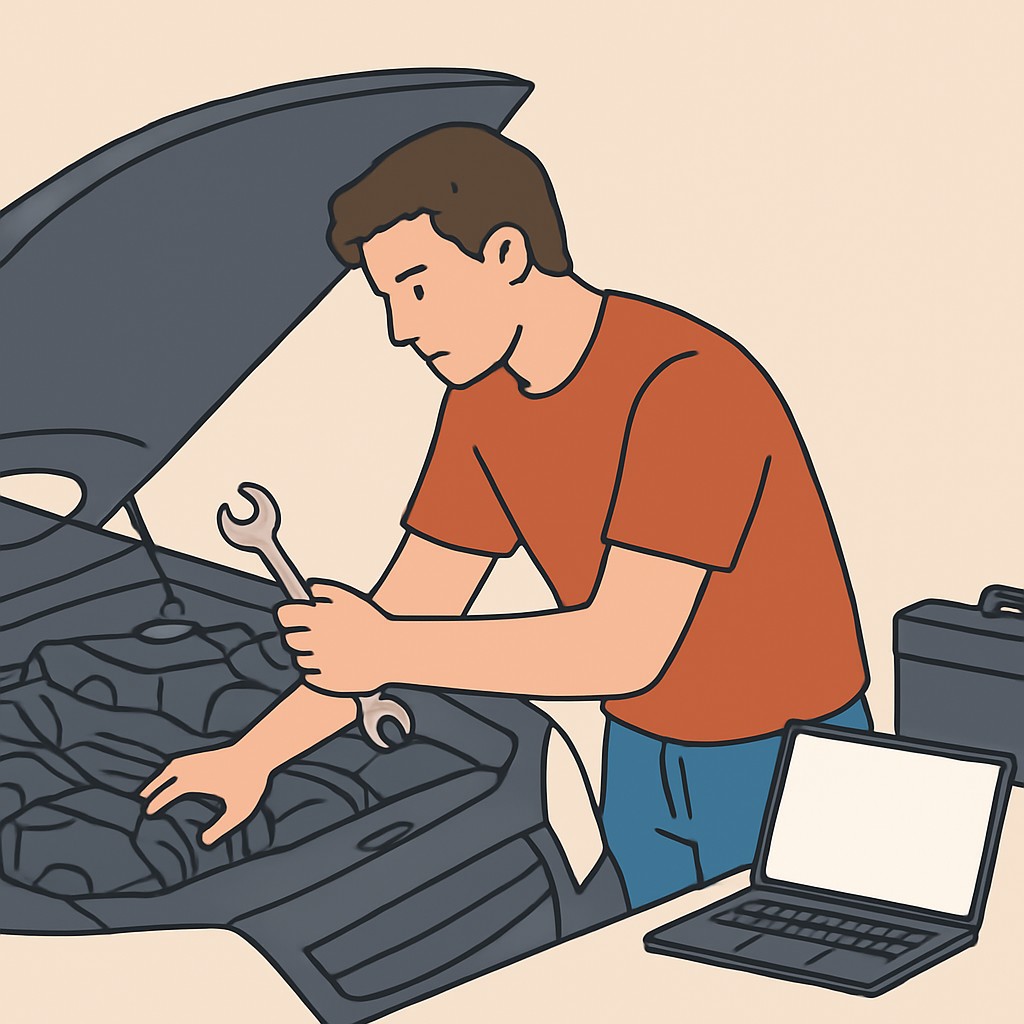
Calibrating and Tuning Engines and Systems for Optimal Performance
Importance of Regular Calibration
Proper calibration ensures engines operate at peak efficiency.
It also reduces fuel consumption and lowers emissions.
Technicians like Marcus Lee at Precision Auto Shop emphasize routine checks.
Without regular calibration, engines may run too rich or too lean.
This imbalance causes wear and potential engine damage.
Therefore, maintaining calibration improves overall vehicle longevity.
Key Components Adjusted During Tuning
Mechanics focus on components such as ignition timing, fuel injection, and air-fuel mixture.
Firstly, setting the correct ignition timing boosts power output and smooth idling.
Next, optimizing fuel injection ensures efficient combustion and reduces waste.
Additionally, adjusting the air-fuel ratio helps maintain engine stability and responsiveness.
Tomás Rivera, a senior technician at Evergreen Auto Service, ensures these elements are checked meticulously.
Tools and Techniques Used in Calibration
Modern mechanics utilize diagnostic scanners to read engine control unit data.
Furthermore, dynamometers measure engine power during testing phases.
Specialized software helps analyze sensor readings for precise adjustments.
For example, technicians may use handheld tuning devices to fine-tune performance parameters.
These tools enable accuracy and reduce guesswork during the tuning process.
Steps in the Calibration Process
First, mechanics perform a comprehensive diagnostic to identify issues.
Then, they adjust engine components based on the manufacturer’s specifications.
Subsequently, they test the engine under different operating conditions.
Finally, they recheck sensor outputs to confirm calibration success.
Gregory Mitchell, a lead mechanic at Summit Motors, follows this structured approach for best results.
Benefits of Professional Engine Tuning
Expert tuning enhances fuel efficiency and reduces costly breakdowns.
In addition, it improves horsepower and torque for better vehicle performance.
Well-maintained machines deliver smoother rides and consistent power delivery.
Regular tuning also prevents unexpected failures during daily use.
Clients of Torque Tech Garage frequently report improved engine responsiveness after tuning.
You Might Also Like: The Life of a Welder: Crafting Structures and Solutions
Educating Clients on Preventative Care and Maintenance Best Practices
Importance of Preventative Maintenance
Preventative maintenance reduces the risk of costly breakdowns.
Technicians such as Marcus Bennett emphasize its role in extending vehicle life.
Regular upkeep also improves safety for drivers and operators.
Clients who adhere to maintenance schedules face fewer unexpected issues.
Mechanics therefore ensure efficient and reliable machine performance.
Key Preventative Care Practices
Regular Inspections
Performing routine inspections helps detect potential problems early.
Jessica Molina, a lead technician at Summit Auto Works, recommends monthly checks.
Checking fluid levels, tire condition, and brakes is essential.
Inspections also include monitoring belts, hoses, and electrical systems.
Timely Fluid Changes
Changing oil, coolant, and transmission fluids keeps engines running smoothly.
Simon Carter highlights how clean fluids prevent wear and overheating.
Following manufacturer guidelines ensures optimal intervals between changes.
Clients save money by avoiding major repairs later.
Proper Component Replacement
Replacing worn parts prevents machine damage and unsafe conditions.
Sarah Lopez advises timely replacement of filters, spark plugs, and brake pads.
Using recommended parts maintains vehicle integrity and warranty compliance.
Mechanics educate clients on signs indicating when replacement is necessary.
Effective Client Communication Strategies
Clear Explanation of Maintenance Benefits
Mechanics like Daniel Evans explain how maintenance saves time and money.
They use simple language to help clients understand technical details.
Clients feel confident when informed about care impact on efficiency.
Demonstrating issues on-site helps visualize potential problems.
Customized Maintenance Plans
Service advisors design maintenance schedules tailored to individual needs.
Considering vehicle type, usage, and environment increases plan relevance.
Elena Ramirez from Apex Mechanical Services offers personalized reminders.
This approach improves client adherence and overall machine health.
Promoting Proactive Client Involvement in Maintenance
- Teach clients how to perform basic daily checks safely.
- Provide easy-to-follow maintenance checklists tailored to their machines.
- Recommend apps or tools to track service intervals and alerts.
- Host workshop sessions or Q&A events to boost client knowledge.
By actively involving clients, mechanics foster long-term maintenance habits.
This collaboration results in better care and reduced repair costs.
Keeping Up-to-Date with the Latest Mechanical Innovations and Repair Techniques
Embracing New Technologies in Mechanical Work
Mechanics continuously adopt cutting-edge tools to enhance repair efficiency.
Diagnostic software allows technicians to pinpoint issues accurately.
Electric and hybrid vehicle technologies require specialized knowledge.
Companies like Apex Auto Solutions invest in ongoing equipment upgrades.
Staying current with technology prevents outdated repair methods.
Importance of Continuous Learning and Training
Mechanics regularly attend workshops to master new repair techniques.
Institutes such as the National Automotive Training Center offer relevant certifications.
Hands-on training with seasoned experts strengthens practical skills.
This empowers mechanics like Diego Morales to solve complex mechanical problems.
Ongoing education helps maintain high standards across the industry.
Leveraging Industry Networks and Resources
Technicians rely on professional networks to share the latest industry trends.
Organizations such as the Mechanical Engineers Association provide valuable insights.
Subscribing to journals like Mechanical Innovations Weekly keeps professionals informed.
Workshops hosted by companies like Crestfield Motors facilitate idea exchanges.
Collaboration within these networks fosters continuous improvement.
Adopting Sustainable and Efficient Repair Practices
Modern mechanics focus on eco-friendly repair techniques wherever possible.
Recycling old parts reduces environmental waste significantly.
Technicians prioritize energy-efficient diagnostic equipment in their shops.
Workshops led by GreenTech Mechanical promote sustainable industry standards.
Adopting these practices supports both efficiency and environmental health.
Utilizing Digital Platforms for Knowledge Enhancement
Online tutorials and webinars provide flexible learning opportunities for busy mechanics.
Platforms like MechLearn offer courses on the latest repair technologies.
Technicians can participate in forums to discuss emerging challenges and solutions.
Remote training complements hands-on workshops effectively.
Digital access ensures mechanics like Sophia Jensen stay competitive and skilled.
Additional Resources
how is it that mechanics seem to be leaving dealerships in droves …
Keep our city moving as a Diesel Fitter with Redland City Council! If …


