




Scientific Research and Long-term Monitoring
This section addresses methods for scientific research and long-term monitoring.
It covers survey design, data collection, trend tracking, and data management.
The content also highlights collaboration and communication for sustained monitoring.
Designing Effective Surveys
Design surveys with clear objectives aligned to conservation questions.
Also define spatial and temporal scales that match study goals.
Choose sampling approaches that produce representative and repeatable observations.
Set measurable indicators to track ecological change over time.
Document protocols to ensure consistency across teams and survey years.
- Define objectives and intended outcomes.
- Specify sampling design and effort.
- Identify key indicators for monitoring.
- Record standardized field protocols.
Collecting Data on Species and Habitats
Plan fieldwork with safety and ethical considerations in mind.
Record location and habitat condition consistently during surveys.
Document observations of abundance and distribution patterns.
Note behavioral or life history observations when they occur in the field.
Follow ethical standards and obtain approvals for biological sampling.
- Record location and environmental context.
- Measure abundance and presence patterns.
- Describe habitat condition and features.
- Collect biological measurements with consent and oversight.
Tracking Population Trends Over Time
Establish baseline measurements at the start of monitoring programs.
Repeat surveys at consistent intervals to detect change.
Your Personalized Career Strategy
Unlock your potential with tailored career consulting. Get clear, actionable steps designed for your success. Start now!
Get StartedApply appropriate analytical approaches to assess population trends.
Use indicators to summarize complex ecological signals for managers.
Adjust monitoring focus when trends indicate new conservation priorities.
Data Management and Quality Assurance
Store data in organized and accessible formats for future analysis.
Include metadata that clearly describes methods and study context.
Perform validation and quality checks on incoming data regularly.
Archive historical datasets to enable robust long-term comparisons.
Collaborative Monitoring and Communication
Engage partners to support sustained and coordinated monitoring efforts.
Share results in clear formats for managers and local communities.
Use monitoring outcomes to inform adaptive management actions promptly.
Maintain long-term commitment to observe and respond to ecological change.
Species and Habitat Conservation Strategies
Marine biologists guide efforts to conserve species and critical habitats.
They coordinate planning, science, and stakeholder participation for recovery.
Also, they set measurable objectives and track progress over time.
Stand Out with a Resume That Gets Results
Your career is worth more than a generic template. Let us craft a resume and cover letter that showcase your unique strengths and help you secure that dream job.
Get HiredDeveloping Recovery Plans
They assess threats thoroughly to identify pressures on species.
Then they set clear and measurable recovery goals with timelines.
Additionally, they prioritize actions by feasibility and potential conservation benefit.
They also outline roles, responsibilities, and required resources for actions.
- Threat assessments identify pressures on species and habitats.
- Recovery objectives set measurable targets and timelines.
- Action priorities allocate resources to the most effective measures.
- Monitoring and review provide feedback for adaptive management.
Designing Protected Areas
Marine biologists help design protected areas to conserve habitats.
First, they identify key habitats and ecological features for inclusion.
Next, they ensure connectivity to support movement and genetic exchange.
Additionally, they advise on zoning to balance protection and sustainable use.
Furthermore, they recommend monitoring and enforcement strategies for protected areas.
Species-Specific Interventions
Marine biologists design interventions tailored to individual species needs.
For example, they support habitat restoration and direct threat reduction.
Additionally, they evaluate risks and benefits before implementation.
Moreover, they plan follow up actions to ensure long term effectiveness.
Implementing and Adapting Strategies
Implementation requires coordination among scientists, managers, and stakeholders.
Transform Your LinkedIn for Maximum Impact
Elevate your professional brand with a LinkedIn profile that attracts recruiters, showcases your expertise, and maximizes opportunities. Stand out in your industry with a profile built for success.
Boost ProfileMeanwhile, they integrate scientific advice into policy and management decisions.
They use monitoring results to inform ongoing management adjustments.
Furthermore, they apply adaptive management to adjust actions based on results.
Community and Stakeholder Engagement
Marine biologists engage communities and stakeholders in planning and implementation.
Additionally, they communicate scientific rationale and expected outcomes clearly.
Moreover, they support capacity building to enable sustained conservation actions.
Measuring Success and Adjusting Actions
They define indicators to measure ecological and management outcomes.
Next, they review results regularly and refine strategies accordingly.
Also, they adjust actions based on indicator feedback and review.
Threat Assessment and Mitigation
This section explains how professionals assess and reduce threats to ocean life.
They prioritize actions based on risk, feasibility, and ecological context.
Further subsections describe threat types, assessment approaches, and mitigation measures.
Identifying Key Threats
Marine biologists identify and prioritize threats to ocean life.
First, they consider pollution, climate impacts, and fisheries pressure.
They also record interactions among multiple threats.
- Pollution can degrade water quality and harm marine organisms.
- Climate impacts can alter habitats and shift species distributions.
- Fisheries can reduce populations and change ecosystem dynamics.
- Other threats may include invasive species, coastal development, and disease.
Approaches to Risk Assessment
They evaluate the severity, extent, and likelihood of each threat.
Next, they consider species sensitivity and habitat vulnerability.
They also include stakeholder concerns and management feasibility.
- Exposure assesses how much organisms encounter a threat.
- Sensitivity measures how strongly organisms respond to stressors.
- Resilience indicates capacity to recover after impacts.
Developing Targeted Mitigation Measures
Marine biologists design measures tailored to specific threats and contexts.
For pollution, they recommend prevention, reduction, and remediation strategies.
They implement rapid response plans for emerging or acute threats.
- Pollution controls focus on reducing contaminant sources and improving waste handling.
- Climate adaptation measures enhance habitat resilience and support species movement.
- Fisheries management balances harvest with population sustainability and ecosystem health.
- They promote stakeholder engagement to build practical and supported interventions.
- They advise policymakers on regulations and best practice guidance.
They evaluate mitigation effectiveness and refine actions accordingly.
Collaboration and Capacity Building
They support community-led solutions and capacity building.
Moreover, they foster partnerships across sectors to scale effective measures.
They share knowledge and tools to strengthen local capacity.
Delve into the Subject: The Life of a Medical Researcher: Advancing Australian Healthcare
Policy, Regulation, and Advisory Roles
Marine biologists provide expert advice to government decision-makers.
They translate scientific findings into clear policy options.
They assess the feasibility of management actions.
Advising Government Decision-Making
They communicate uncertainty and evidence strength to ministers.
Additionally, they translate findings into usable options for decision-makers.
They assess feasibility of proposed management actions.
Contributing to Marine Management Policy
Biologists help craft marine management frameworks and guidelines.
They recommend policy measures based on ecological understanding.
Moreover, they evaluate trade-offs among social, economic, and environmental goals.
Translating Science into Regulation
Experts convert scientific results into practical regulatory language.
They identify measurable indicators suitable for legal frameworks.
Consequently, regulators can adopt enforceable standards and conditions.
Processes and Outputs
Advisory work produces a range of policy outputs.
These outputs support implementation and decision processes.
They help stakeholders understand recommended management approaches.
- Policy briefs summarize key implications for decision-makers.
- Advisory reports outline recommended management approaches.
- Technical guidance informs implementation and compliance processes.
- Stakeholder consultations gather input from affected communities.
Ethics and Accountability in Advisory Roles
Experts maintain transparency about methods and limitations of advice.
They declare uncertainties and avoid overstating conclusions.
Therefore, policymakers receive balanced and accountable recommendations.
You Might Also Like: How Physicists Push Boundaries in Research and Innovation
Restoration and Rehabilitation Efforts
Restoration and rehabilitation focus on recovering marine habitats.
Teams plan actions that restore habitat functions and resilience.
They coordinate with communities, regulators, and contractors during delivery.
Project Planning
Scientists define measurable ecological objectives and realistic outcomes.
They evaluate site conditions and identify key ecological pressures.
Project teams also identify constraints and logistical needs for implementation.
- Assessment and site surveys inform initial decisions and feasibility.
- Design and permitting outline approved methods and practical requirements.
- Active restoration works implement techniques that restore habitat functions.
- Follow-up evaluation and maintenance ensure interventions remain effective.
Habitat Assessment and Design
Biologists assess habitat structure, water quality, and connectivity.
Furthermore, they design interventions that match habitat characteristics and objectives.
Selection focuses on appropriate restoration methods based on ecological suitability.
Implementation and Field Oversight
Biologists oversee on-site implementation activities and contractor work.
Moreover, they coordinate timing to align with ecological cycles and weather.
Field teams enforce biosecurity and minimize disturbance during operations.
Reintroduction Program Design
Biologists plan reintroduction programs with clear release criteria and protocols.
Additionally, they consider genetic diversity and population compatibility when planning releases.
Teams establish evaluation plans to assess reintroduction success over time.
Community and Stakeholder Engagement
They engage local communities and stakeholders from project inception.
Furthermore, they integrate traditional and local knowledge where appropriate.
Project staff communicate goals, roles, and timelines clearly to partners.
Project Management and Compliance
Biologists manage budgets, permits, and regulatory requirements for projects.
Moreover, they coordinate multidisciplinary teams and contractors during delivery.
Project teams document activities and maintain records for reporting and review.
Adaptive Management and Learning
They implement adaptive management to respond to observed project outcomes.
Consequently, they adjust actions based on performance and emerging information.
Furthermore, they use short feedback cycles to improve restoration effectiveness.
See Related Content: How Botanists Contribute to Australia’s Biodiversity Preservation
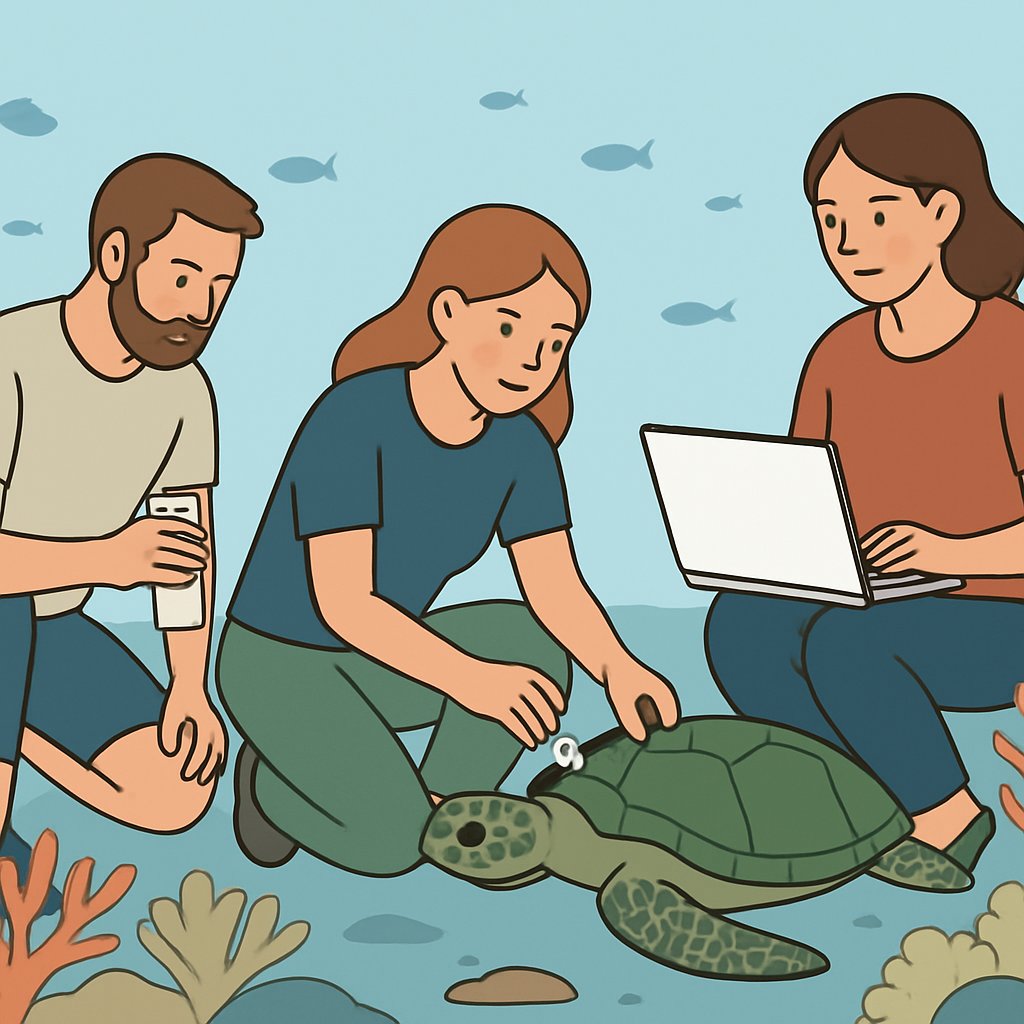
Community Engagement and Indigenous Collaboration
This section outlines outreach, citizen science, and partnerships with Indigenous and local communities.
It emphasizes respectful collaboration and shared decision making across projects.
Stakeholders receive information, training, and opportunities to participate meaningfully.
Outreach and Public Education
Marine biologists create outreach programs that connect people with ocean issues.
They tailor messages to diverse audiences for clearer understanding.
Interactive activities encourage hands on learning and active engagement.
Teams evaluate outreach to refine approaches and increase impact.
Citizen Science and Public Participation
Marine biologists coordinate citizen science to broaden community involvement.
They provide training to ensure consistent and reliable volunteer contributions.
Clear protocols support data quality and protect participant safety.
Volunteers gain skills and form stronger connections to marine environments.
Partnerships with Local and Indigenous Communities
Marine biologists build partnerships based on mutual respect and shared goals.
They engage communities early to co design project priorities and methods.
The work recognizes local and Indigenous knowledge alongside scientific approaches.
Collaborations support culturally appropriate stewardship strategies.
Key Elements of Effective Programs
Effective programs define clear objectives to guide outreach and collaboration.
Materials remain accessible to support broad community understanding and inclusion.
Ongoing communication and feedback loops maintain trust and shape program direction.
- Clear objectives guide outreach participation and collaboration efforts.
- Accessible materials ensure broad community understanding and inclusion.
- Ongoing communication maintains trust and supports long term relationships.
- Feedback loops allow partners and participants to influence program direction.
Practical Steps for Engagement
Practitioners map community interests and capacity before launching activities.
They co design activities to reflect local priorities and cultural practices.
Training and resources support safe participation by volunteers and partners.
Teams document outcomes and share results with all partners and participants.
Ethical and Cultural Considerations
Marine biologists obtain informed consent before collecting knowledge or facilitating activities.
They follow cultural protocols and respect community governance structures.
Practitioners consider benefit sharing to ensure fair outcomes for partners.
Respectful engagement builds trust and strengthens conservation efforts.
Find Out More: The Importance of Geologists in Australia’s Resource Exploration
Technology and Innovation in Marine Science
These approaches support long-term monitoring efforts.
They capture diverse data across ocean systems.
Moreover, they help guide targeted investigations and decisions.
Remote Sensing and Spatial Mapping
Remote sensing captures broad spatial patterns across ocean regions.
Additionally, it helps identify habitat features and change over time.
Consequently, researchers use maps to prioritize locations for field investigation.
Tagging and Tracking Marine Animals
Tagging reveals movement patterns and habitat use of individual animals.
Moreover, tracking data informs timing and routes of migrations.
Researchers combine tracking with environmental information to clarify behavioral drivers.
Environmental DNA and Molecular Monitoring
Environmental DNA detects species presence from water and substrate samples.
Additionally, it provides noninvasive information about community composition.
Scientists use eDNA to complement and validate traditional sampling methods.
Modelling and Predictive Analytics
Models translate diverse observations into forecasts and scenario comparisons.
Furthermore, modelling clarifies potential responses to environmental change.
Analysts use predictive tools to explore management options and evaluate risks.
Data Integration and Decision Support
Integrated datasets combine remote sensing, tracking, eDNA, and field observations.
Therefore, teams develop platforms to visualize and share analytical results.
Transparency and accessibility improve collaboration between researchers and managers.
Best Practices for Implementation
Standardized protocols ensure data comparability across studies.
Quality control and validation maintain confidence in results.
Clear data governance supports responsible access and reuse.
- Standardized protocols
- Quality control and validation
- Clear data governance
- Cross-disciplinary collaboration
Ethical Considerations and Practical Challenges
Researchers must consider animal welfare and sampling impacts.
Furthermore, they must manage data privacy and stakeholder concerns.
Logistical constraints and resource limits can restrict tool deployment.
Translating Technology into Protection Actions
Analyses inform timing and location of targeted management measures.
Moreover, monitoring supports adaptive responses to emerging threats.
Continued innovation enhances conservation effectiveness over time.
Career Pathways and Interdisciplinary Collaboration
Marine biologists pursue varied formal and informal training routes.
Specifically, data literacy helps interpret findings without dictating specific tools.
Scientific reasoning and critical thinking.
Training and Education Pathways
Additionally, practical placements reinforce classroom learning.
Moreover, mentorship supports early career development and professional identity.
Furthermore, continuing education keeps practitioners current with emerging needs.
Skills Development for Marine Biologists
Marine biologists develop a blend of technical and transferable skills.
Also, communication skills enable clear reporting to diverse audiences.
Additionally, project management supports planning surveys and coordinating teams.
Core Competencies
- Fieldwork readiness and safety awareness.
- Data interpretation and statistical reasoning.
- Adaptability to changing environmental and project needs.
Cross-Sector Partnerships and Collaboration
Collaboration across sectors amplifies conservation efforts.
Therefore, professionals cultivate relationships with fishers, NGOs, and industry partners.
Stakeholder engagement and clear communication.
Working with Fishers
Trust forms the foundation of effective work with fishers.
Consequently, practitioners prioritize listening and reciprocal knowledge exchange.
Additionally, collaborations may focus on practical problem solving and mutual benefits.
Partnering with NGOs and Industry
NGOs offer convening power and programmatic experience.
Industry partners can contribute resources and operational perspectives.
Therefore, clear agreements and shared goals maintain productive partnerships.
Building Interdisciplinary Teams
Interdisciplinary teams combine diverse expertise for practical problem solving.
Moreover, teams establish common language and shared project frameworks.
Also, regular reflection helps refine collaborative approaches and expectations.
Career Mobility and Lifelong Learning
Career mobility allows movement between academia, government, NGOs, and industry.
Consequently, professionals engage in lifelong learning and skill renewal.
Networks and mentorship support transitions across sectors.