




Overview of Sustainable Urban Development
Sustainable urban development aims to create cities that meet present needs responsibly.
This approach balances environmental, social, and economic factors.
Additionally, it seeks to reduce urban footprints and resource consumption.
As a result, it improves quality of life for all city residents.
Importance for Modern Civil Engineering
Civil engineers play a crucial role in building sustainable urban environments.
They design infrastructure that minimizes environmental impact and maximizes efficiency.
Consequently, engineers integrate green technologies with traditional construction practices.
Engineers also prioritize resilience against climate change and urban population growth.
Key Principles Guiding Sustainable Development
Several core principles guide sustainable urban development projects.
One principle is the efficient use of natural and built resources.
Another principle is the incorporation of renewable energy and sustainable materials.
- Efficient use of natural and built resources.
- Incorporation of renewable energy and materials.
- Promotion of social inclusivity and equitable access to services.
- Enhancement of urban biodiversity and green spaces.
- Implementation of smart growth and compact city designs.
The Role of Collaboration and Innovation
Achieving sustainable urban development requires collaboration across multiple disciplines.
Urban planners, architects, and engineers must work synergistically.
Also, innovative technologies like smart sensors and AI optimize urban systems.
Therefore, cooperation produces sustainable solutions tailored to community needs.
Your Personalized Career Strategy
Unlock your potential with tailored career consulting. Get clear, actionable steps designed for your success. Start now!
Get StartedChallenges and Opportunities
Urbanization poses significant challenges for sustainable development efforts.
However, new materials and construction methods offer exciting opportunities.
Governments and private firms, like GreenTech Solutions led by Mariana Santos, invest heavily in sustainable infrastructure.
These efforts promise a future where cities thrive sustainably and equitably.
Emerging Green Building Materials
Green building materials are emerging across civil engineering practice.
They aim to lower environmental impacts during construction and use.
Practitioners focus on durability and performance when selecting materials.
Innovations in Sustainable Materials
Civil engineers increasingly adopt innovative green materials to reduce environmental footprints.
These materials improve energy efficiency and durability in urban development projects.
They also help minimize waste and carbon emissions during construction.
Biodegradable and Recycled Components
Biodegradable materials like hempcrete and mycelium-based bricks gain popularity for their renewability.
Recycled aggregates and reclaimed wood serve as eco-friendly alternatives to traditional resources.
Consequently, they support circular economy principles within civil engineering.
Advanced Composite Materials
Engineers utilize composites combining natural fibers and resins to create lightweight, strong structures.
Stand Out with a Resume That Gets Results
Your career is worth more than a generic template. Let us craft a resume and cover letter that showcase your unique strengths and help you secure that dream job.
Get HiredThese composites enhance seismic resistance and reduce the need for heavy metals.
Therefore, they contribute to safer and more sustainable buildings.
Impact on Civil Engineering Projects
Green materials affect multiple aspects of civil engineering projects.
Designers and engineers adjust plans according to material characteristics and performance.
Project outcomes often balance upfront costs with long term benefits.
Design Flexibility and Sustainability
Green materials expand design possibilities while meeting sustainability standards.
Designers like Architect Emily Tran emphasize material choices in urban planning initiatives.
Furthermore, eco-friendly components facilitate LEED certification and green building ratings.
Cost Implications and Lifecycle Analysis
Although initial costs may be higher, life-cycle savings often offset expenses.
Consulting firms such as Greenway Engineering conduct detailed analyses of material performance over time.
Consequently, long-term maintenance and energy savings benefit project stakeholders.
Challenges and Industry Adaptation
Material availability and construction techniques require ongoing development and training.
Companies like TerraBuild Solutions invest in workforce education to support green construction.
Meanwhile, regulatory frameworks evolve to encourage adoption of sustainable building materials.
Transform Your LinkedIn for Maximum Impact
Elevate your professional brand with a LinkedIn profile that attracts recruiters, showcases your expertise, and maximizes opportunities. Stand out in your industry with a profile built for success.
Boost ProfileThe Role of Collaboration in Advancing Green Materials
Collaboration accelerates the development and adoption of green building materials.
Stakeholders coordinate to address supply chain and technical challenges.
Partnerships also foster testing and validation of new products.
Partnerships Among Stakeholders
Collaboration between engineers, manufacturers, and policymakers is crucial for innovation.
Firms like Nova Structures partner with suppliers to source eco-friendly materials responsibly.
This cooperation accelerates the integration of new materials into mainstream construction.
Research and Development Initiatives
Universities and private companies join efforts to test and improve green building products.
For instance, Dr. Li Wei leads research on carbon-sequestration concrete at UrbanTech Labs.
Such initiatives promote continuous improvement and wider application of sustainable materials.
Integration of Renewable Energy Systems in Urban Infrastructure Design
Consequently, cities diminish their carbon footprints and energy costs simultaneously.
Therefore, renewable sources can meet fluctuating urban power demands reliably.
Hence, cities progress toward comprehensive energy sustainability across sectors.
Incorporating Solar Energy Solutions
Urban planners increasingly embed solar panels within building designs.
These panels convert sunlight into electricity efficiently and cleanly.
Moreover, integrating rooftop solar arrays reduces reliance on non-renewable energy.
Harnessing Wind Energy in City Landscapes
Small-scale wind turbines now complement urban energy grids.
Engineers place these turbines strategically on rooftops and open spaces.
As a result, wind energy provides a consistent power source during off-peak solar hours.
Utilizing Energy Storage and Smart Grids
Advanced battery systems store excess renewable energy effectively.
Smart grids distribute energy dynamically according to consumption patterns.
Additionally, this reduces energy wastage and enhances overall system efficiency.
Designing for Sustainable Transportation Energy
Electric vehicle (EV) charging stations are integrated into public infrastructure.
Civil engineers collaborate with firms such as UrbanVolt to expand EV networks smoothly.
Integration with solar and wind sources further powers clean transit solutions.
Policy and Collaboration for Effective Integration
Public-private partnerships accelerate renewable energy deployment effectively.
Policy frameworks incentivize sustainable infrastructure investments by developers.
Together, stakeholders overcome technical and financial challenges innovatively.
Learn More: The Importance of Mechanical Engineers in Manufacturing Processes
The Role of Smart Technology and IoT in Optimizing Urban Infrastructure Management
Smart technology and IoT optimize urban infrastructure management.
They provide real-time data to city managers.
These systems support monitoring and decision-making.
Enhancing Infrastructure Efficiency with Smart Sensors
Smart sensors collect real-time data from urban infrastructure.
They monitor parameters such as traffic flow, energy use, and structural health.
Consequently, city managers can detect problems before they worsen.
For example, in Chicago, tech firm UrbanPulse uses sensors to optimize street lighting.
This reduces energy consumption while maintaining public safety.
IoT-Enabled Predictive Maintenance
IoT devices enable continuous monitoring of critical infrastructure systems.
They predict failures by analyzing data trends and alerts.
As a result, maintenance teams can fix issues proactively, reducing downtime.
For instance, MetroBuild engineers in Barcelona use IoT for bridge stress analysis.
This approach extends asset lifespan and lowers repair costs.
Improving Resource Management through Data Integration
Smart technology integrates data from various urban systems into a cohesive platform.
This includes water supply, waste management, and public transport networks.
Urban planners like GreenCity Solutions leverage this integration for better decision-making.
Therefore, cities can allocate resources more efficiently and sustainably.
Moreover, this holistic view aids in addressing urban challenges dynamically.
Supporting Sustainable Mobility with IoT
IoT devices track and manage public transportation operations effectively.
They provide commuters with real-time updates and route optimization.
Smart traffic lights adjust automatically to current traffic conditions.
In Amsterdam, TransitFlow Technologies implemented IoT systems to reduce congestion.
This improves air quality and reduces urban carbon footprints.
Challenges and Considerations in Implementing Smart Infrastructure
Security risks arise from the increased connectivity of urban systems.
Data privacy remains a significant concern among city residents.
Additionally, integrating legacy infrastructure with new technology is complex.
Collaboration between companies like SiliconCity Innovations and municipal authorities is essential.
They must establish standards and protocols for safe and scalable deployments.
Future Outlook for Smart Urban Infrastructure
Advancements in AI and machine learning will enhance IoT analytics capabilities.
Edge computing will enable faster responses to infrastructure events.
Furthermore, public participation platforms will incorporate IoT-generated insights.
Ultimately, these innovations will lead to resilient and adaptive urban environments.
Companies such as NexaCity Labs are pioneering integrated smart city solutions worldwide.
You Might Also Like: The Role of Environmental Engineers in Preserving Australia’s Ecosystems
Challenges and Opportunities in Water Management and Sustainable Drainage Systems
Rapid urban growth increases demand for water resources significantly.
Consequently, cities face challenges in securing reliable water supplies.
Engineers must develop innovative solutions to manage limited water availability.
Water Scarcity and Urban Growth
Furthermore, climate change intensifies uncertainties in rainfall patterns and water supply.
Adopting adaptive water management strategies becomes essential for urban resilience.
Urbanization increases impervious surfaces, leading to higher stormwater runoff volumes.
Stormwater Management Challenges
This causes flooding, erosion, and water pollution in urban environments.
Managing stormwater effectively requires integrated planning and design techniques.
Moreover, aging infrastructure struggles to handle extreme weather events.
Innovations in Sustainable Drainage Systems (SuDS)
Sustainable drainage systems mimic natural water processes to manage runoff.
They reduce flood risks while improving water quality and biodiversity.
For example, green roofs absorb rainwater and reduce runoff volume.
Permeable pavements allow water to infiltrate and recharge groundwater.
Additionally, bioswales and rain gardens filter pollutants and slow water flow.
Companies like Evergreen Engineering are pioneering SuDS for urban projects.
Regulatory Frameworks and Policy Incentives
Governments increasingly mandate sustainable water management in urban plans.
Policies offer incentives for developers adopting SuDS and water-saving technologies.
The city of Portland, led by engineer Maria Santos, champions green infrastructure policies.
Moreover, collaboration between planners, hydrologists, and engineers enhances policy effectiveness.
These frameworks promote public and private sector investments in resilient water systems.
Community Engagement and Education
Engaging communities helps ensure the success of water management initiatives.
Public awareness campaigns encourage water conservation and responsible runoff practices.
Workshops led by firms like Blue Horizon Consulting empower local stakeholders.
Further, involving residents in monitoring fosters collective stewardship of water resources.
Ultimately, community involvement creates sustainable urban water ecosystems.
Future Directions for Sustainable Water Infrastructure
Integrating multifunctional landscapes can provide both recreation and water management.
Resilience-focused designs address both current and future water-related challenges.
Cross-disciplinary approaches foster innovations in engineering and urban ecology.
Leaders like Dr. Anika Patel advocate holistic systems combining technology and nature.
Gain More Insights: Water Resource Engineers in Australia: Tackling the Country’s Most Critical Resource Issues
Innovations in Transportation Engineering for Sustainable Urban Mobility
Electric vehicles reduce greenhouse gas emissions significantly.
Autonomous vehicles enhance traffic efficiency and safety on urban roads.
Smart traffic lights adjust in real-time to traffic conditions.
Advancements in Electric and Autonomous Vehicles
Moreover, companies like GreenMotion Technologies lead in EV infrastructure development.
For instance, Novatek Systems integrates AI-based controls for self-driving cars.
Additionally, governments support pilot programs to test these vehicles in cities.
Smart Traffic Management Systems
Metropolis Innovations develops adaptive signaling solutions for urban centers.
Furthermore, data from connected vehicles helps predict and prevent bottlenecks.
City planners use traffic simulation software to optimize flow and minimize delays.
Integration of Multimodal Transportation
Urban areas increasingly promote seamless transitions between transport modes.
This integration encourages public transit use and reduces private car dependency.
The company TransitLink offers platforms that connect buses, bikes, and trains.
Development of Sustainable Infrastructure
Engineers design roads and bridges with recycled and low-impact materials.
EcoBuild Solutions pioneers biodegradable composites for transportation projects.
Additionally, green corridors include dedicated bike lanes and pedestrian paths.
Role of Data Analytics and IoT in Urban Mobility
IoT sensors collect real-time data on traffic and environmental conditions.
CitySense Analytics uses this information to improve transport system responsiveness.
Data-driven insights enable predictive maintenance of transport infrastructure.
Discover More: The Role of Petroleum Engineers in Australia’s Energy Sector
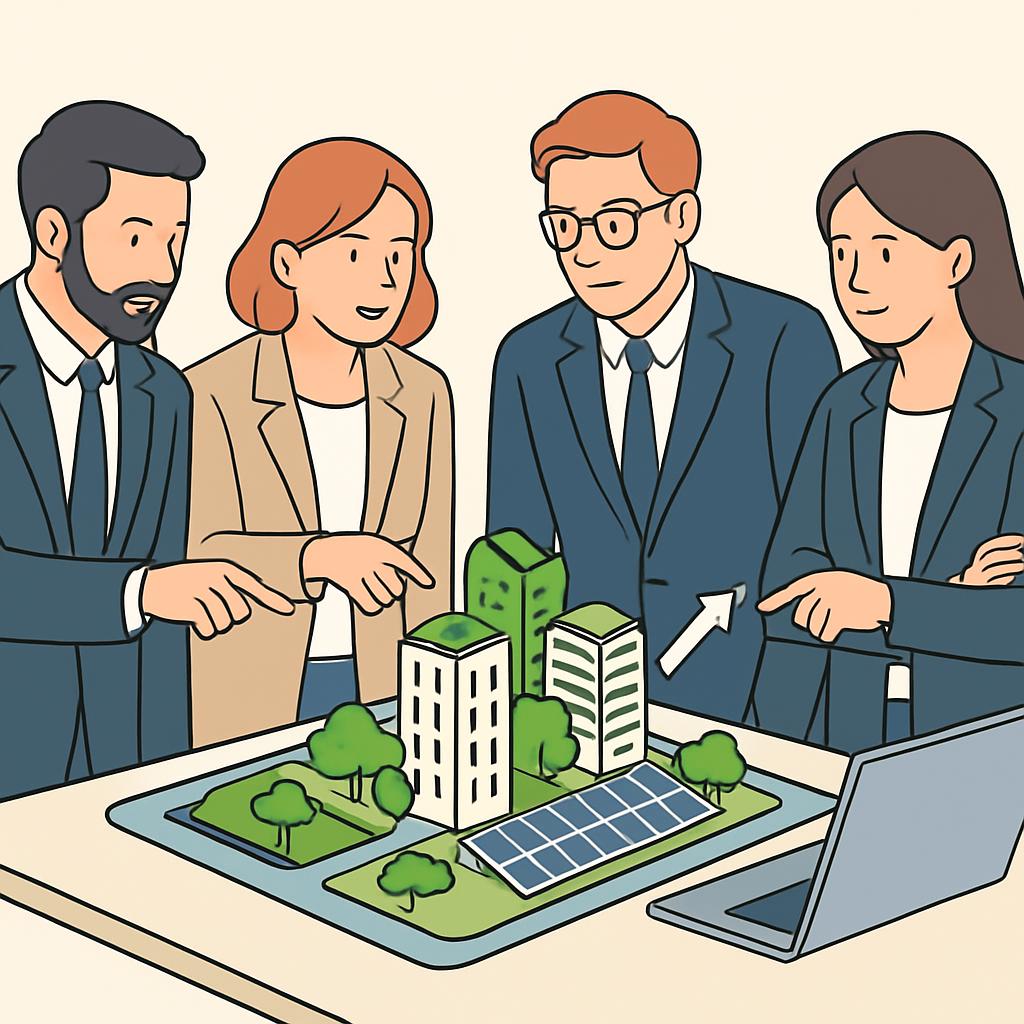
Circular Economy Principles Applied to Construction and Demolition Waste
This content explores circular economy principles applied to construction and demolition waste.
It outlines strategies, technologies, benefits, and stakeholder considerations.
The document emphasizes practical approaches to increase material recovery and reuse.
Concept of Circular Economy in Construction
The circular economy focuses on minimizing waste and maximizing resource efficiency.
It contrasts with the traditional linear ‘take-make-dispose’ model.
By adopting circular principles, construction reuses materials and reduces environmental impact.
Designers also plan buildings for easy disassembly and material recovery.
Strategies for Managing Construction and Demolition Waste
Effective waste management begins with comprehensive planning at project inception.
For example, construction firm GreenBuild Solutions implements material tracking to improve recycling rates.
Prefabricated components reduce onsite waste and increase construction precision.
Onsite separation of waste streams raises the potential for material reuse.
Concrete and brick crushing enable processed materials to be repurposed.
Innovative Technologies Supporting Waste Circularity
Advanced sorting technologies improve the quality of recovered materials.
For instance, multimetric sensor-based separators enable precise waste classification.
Digital platforms connect waste producers with recyclers to optimize resource flow.
EcoCycle Systems develops software that tracks the waste lifecycle digitally.
Additionally, 3D printing with recycled aggregates reduces demand for virgin raw materials.
Economic and Environmental Benefits
Reusing construction waste reduces material procurement costs significantly.
It also lowers landfill fees and decreases transportation emissions.
Adopting circular practices strengthens a company’s environmental reputation and stakeholder trust.
On a larger scale, these practices help lower urban carbon footprints.
Regulators increasingly incentivize circular solutions through grants and tax breaks.
Challenges and Opportunities for Industry Stakeholders
Resistance to change and lack of awareness hinder circular economy adoption.
Training programs by firms like Urban Structural Innovations build workforce skills.
Legal frameworks require updating to support material reuse in new construction.
Public private partnerships can foster innovation and enable cost sharing for circular projects.
Ultimately, collaboration among architects, engineers, and contractors is essential.
Policy Frameworks and Regulations Shaping the Future of Sustainable Urban Engineering
Governments worldwide implement policies promoting eco-friendly urban engineering.
These initiatives incentivize engineers to design energy-efficient and resilient urban spaces.
Ultimately, evolving policies drive the transformation toward sustainable urban futures.
Government Initiatives Driving Sustainable Development
For example, California’s Green Building Standards Code sets strict sustainability criteria.
Furthermore, the European Union’s Climate Action Plan encourages low-carbon infrastructure.
Moreover, public-private partnerships play a crucial role in advancing sustainable projects.
The city of Rotterdam collaborates with local firms like EcoStruct Engineering to innovate green infrastructure.
Regulatory Standards Encouraging Innovation
Regulations compel urban engineers to apply cutting-edge sustainable technologies.
The International WELL Building Institute sets standards focusing on health and well-being.
Additionally, LEED certification rewards projects that reduce carbon footprints.
Consequently, engineers from firms such as Greenline Designs integrate renewable energy and water conservation.
These frameworks also require the use of sustainable materials and waste reduction strategies.
Urban Planning Policies Supporting Sustainable Growth
Effective urban planning policies emphasize compact, mixed-use developments.
Consequently, they reduce urban sprawl and promote walkability.
Cities like Singapore mandate green roofs and vertical gardens in new projects.
Such policies help manage stormwater and improve air quality.
Additionally, incentives for public transit infrastructure reduce reliance on private vehicles.
Legal and Financial Mechanisms Influencing Sustainable Engineering
Governments adopt legal frameworks to enforce environmental compliance in construction.
For instance, Japan imposes strict regulations on earthquake-resistant green buildings.
Financial tools like green bonds fund sustainable urban projects globally.
EcoBuild Capital, a New York-based firm, specializes in financing eco-conscious engineering ventures.
These mechanisms lower barriers to implementing innovative sustainable solutions.
Challenges and Opportunities in Regulatory Compliance
Engineering firms face complex regulations varying across jurisdictions.
This diversity requires adaptive strategies and local expertise.
Nevertheless, these challenges foster innovation and tailored sustainable designs.
Engineers and policymakers collaborate to streamline approval processes for green projects.
The Influence of Climate Change Adaptation on Civil Engineering Practices
This section examines climate adaptation’s influence on civil engineering practices.
It outlines how adaptation changes professional practices and project priorities.
The content frames resilient and adaptive approaches for engineering decisions.
Shifting Design Paradigms for Resilient Infrastructure
Civil engineers increasingly prioritize resilience in urban infrastructure designs.
They incorporate adaptive strategies to withstand unpredictable climate impacts.
Consequently, projects now focus on flexibility in response to environmental stresses.
For example, engineers at Sterling & Associates integrate modular components for rapid repairs.
This approach reduces downtime and improves long-term serviceability of structures.
Innovative Materials and Technologies
Adapting to climate challenges requires using advanced materials.
Companies like GreenBuild Innovations develop composites that resist extreme weather conditions.
Additionally, they focus on materials that enhance energy efficiency and durability.
Smart sensors are deployed to monitor structural health in real-time.
These technologies help detect damage early, allowing timely maintenance interventions.
Water Management in Urban Environments
Changing rainfall patterns demand new water management solutions.
Civil engineers now design systems that handle both droughts and floods effectively.
Rainwater harvesting and permeable pavements become integral parts of urban planning.
Firms like TerraFlow Engineering specialize in sustainable drainage systems.
Moreover, they ensure cities can adapt to rising surface water levels.
Regulatory and Collaborative Approaches
Stricter regulations push engineers to adopt climate-sensitive practices.
Public agencies and private firms collaborate to create resilient urban policies.
For instance, Nexus Urban Consultants work closely with city planners to update building codes.
These efforts align infrastructure planning with climate adaptation goals.
Furthermore, community engagement improves the social acceptance of engineering solutions.
Training and Knowledge Development
Climate adaptation requires specialized skills among civil engineers.
Educational institutions now offer courses focused on sustainable design.
Companies such as Horizon Engineering invest in continuing education for their teams.
This training enhances the workforce’s ability to innovate under climate pressures.
As a result, projects better anticipate environmental risks and opportunities.
Future Skill Sets for Civil Engineers
Civil engineers must prepare new skill sets for evolving urban demands.
They should pursue combined technical, digital, regulatory, and interpersonal expertise.
Together these abilities enable resilient and sustainable project delivery.
Technical Expertise in Sustainable Materials
Civil engineers must master sustainable building materials.
Understanding life cycles of eco-friendly materials improves long-term durability.
Moreover, engineers should apply knowledge of renewable and recycled resources.
Such expertise reduces the environmental footprint of urban construction.
Integration of Digital Technologies
Proficiency with digital tools such as BIM is essential.
These tools improve design accuracy and enhance project collaboration.
Additionally, engineers need skills in sensor systems and data analytics.
Those skills support smart infrastructure and real-time monitoring.
Environmental and Regulatory Knowledge
Engineers must navigate evolving environmental regulations effectively.
Awareness of green certifications helps align projects with sustainability standards.
Furthermore, understanding climate resilience informs the design of durable systems.
Therefore, compliance and innovation must proceed together on future projects.
Soft Skills for Collaborative Work
Effective communication builds strong relationships with project stakeholders.
Good leadership motivates multidisciplinary teams toward shared sustainability goals.
Problem-solving accelerates responses to complex urban development challenges.
Adaptability helps teams succeed amid rapidly changing urban conditions.
Education Requirements for Sustainable Urban Development
Educational programs must evolve to prepare future engineers.
They should integrate practical skills and interdisciplinary knowledge.
Consequently graduates will better address urban sustainability challenges.
Curriculum Evolution and Specialized Courses
Universities must update curricula to emphasize sustainability concepts.
Courses should cover renewable energy, green infrastructure, and urban ecology.
Additionally, interdisciplinary studies should blend engineering with environmental science and policy.
Programs at Greenfield University illustrate this comprehensive educational approach.
Hands-On Training and Real-World Projects
Internships with firms such as TerraBuild Solutions offer practical experience.
Fieldwork develops engineers’ understanding of real urban sustainability challenges.
This method enhances problem solving and classroom knowledge application.
Thus, experiential learning closes the gap between theory and practice.
Continuing Professional Development
Lifelong learning remains essential amid rapid technological change.
Workshops and certifications keep engineers current on sustainability innovations.
Organizations such as the Urban Green Engineering Association provide targeted training.
Regular skill enhancement helps engineers contribute to future cities.


